Vibrant Gujarat Regional Conference Spurs Growth in Surat's Textile and Saree Manufacturing Sector
Vibrant Gujarat Regional Conference to Boost Industrial Development in South Gujarat
The upcoming Vibrant Gujarat Regional Conference (VGRC) scheduled to be held on May 1 and 2 at Auro University, Surat, will serve as a significant platform to further accelerate the industrial development of South Gujarat. This ambitious initiative will attract large-scale investments in key sectors, including textiles, enhance direct linkages between global buyers and local manufacturers, and promote the exchange of new technologies and innovations, thereby providing strong momentum to the industrial growth of Surat and the South Gujarat region.
Surat: The World's 'Silk City'
Located on the banks of the Tapi River, Surat has been an important trade centre since the Mughal era due to its strategic location. Once a prosperous port in the 16th century, it has now evolved into the world's 'Silk City' in the 21st century. This identity is rooted in its rich history, as silk fabrics from Surat were exported to Arab and European countries centuries ago. Over time, the city expanded its expertise from natural silk to man-made fibre (MMF), or art silk.
Read also: RBI Must Adopt a Measured Hawkish Monetary Policy Stance
Textile Industry in Surat
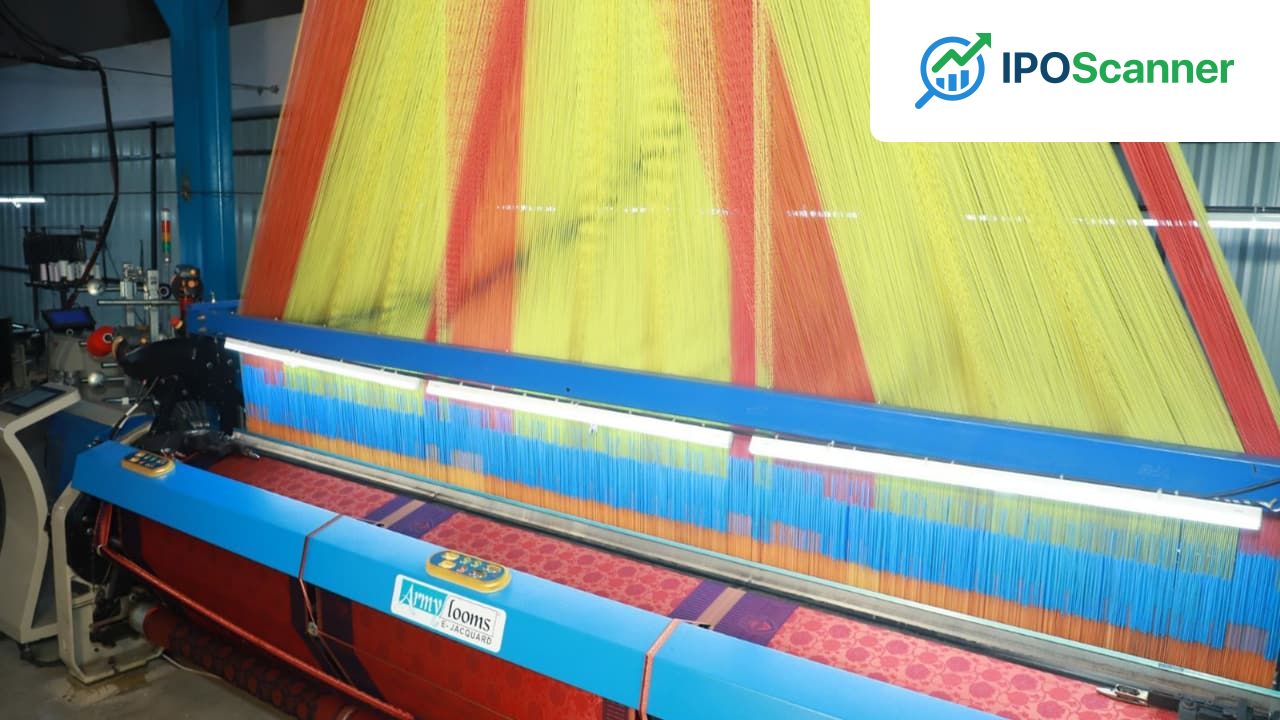
According to the Gujarat CMO, Surat produces about 90 per cent of India's artificial silk, earning it global recognition. What began as small-scale zari and cotton work in narrow lanes has now grown into a globally connected textile industry, supported by modern technology and skilled entrepreneurs. The foundation of Surat's textile industry was laid in the 19th century, with the establishment of mills and ginning factories between 1866 and 1881. Following the first textile accessories unit in 1925, the city has now evolved into a vast network comprising 240 large markets and more than 70,000 traders.
| Year | Turnover (₹ crore) | Employment (lakhs) |
|---|---|---|
| ₹1.5 lakh crore | 18-20 lakh | |
The textile industry of Surat and South Gujarat contributes over 25 per cent to the state's GDP, making it a key driver of Gujarat's industrial growth. Surat alone produces about 30 per cent of the world's fabric and accounts for 65 percent of India's man-made fibre segment. The city produces nearly 6 crore meters of fabric every day.
Read also: LIC Maintains Significant Stake in Rajesh Exports, Foreign Institutional Investors Hold Nearly 14%
VGRC to Attract Foreign Direct Investment
The upcoming VGRC in Surat will attract significant foreign direct investment (FDI), strengthen direct networking with international buyers, and enable local manufacturers to become more competitive globally through the exchange of advanced technologies. This will further reinforce Surat's position as one of the world's leading textile hubs.
Gujarat Textile Policy 2019
Under the Gujarat Textile Policy 2019, industries in Surat district have received unprecedented momentum, with subsidies amounting to Rs 2,325.87 crore disbursed so far. The policy provides interest assistance of up to 6 per cent for new and expanding units, a concession of Rs 2 to Rs 3 per unit in electricity bills for weaving and knitting units and capital investment support for technical textiles.
New Textile Policy 2024
To make the state's textile industry globally competitive, the new Textile Policy 2024 has been implemented. Under this policy, capital subsidies ranging from 10 to 35 per cent are provided to new units, while employment opportunities are being generated in remote rural areas through value addition across the supply chain.
Free Trade Agreements and Tariff Reductions
Free Trade Agreements (FTA) with Europe and tariff reductions in the United States have opened new global markets for garment exports from Surat.
Surat's Position in India's Saree Manufacturing Ecosystem
Industry experts highlighted that modern consumers are driving the shift towards high-volume hubs like Surat. Demand is increasingly focused on affordability, variety, and quick availability. Manufacturers have had to adopt technology—automated looms, digital design tools, and faster production cycles—to meet these expectations. Surat's manufacturing cluster enables rapid turnaround and consistent quality—key factors for retailers and exporters.
More in Economy
RBI Must Adopt a Measured Hawkish Monetary Policy Stance

LIC Maintains Significant Stake in Rajesh Exports, Foreign Institutional Investors Hold Nearly 14%

Indian Rupee Holds Steady at 95.71 Against the US Dollar Ahead of RBI Monetary Policy Committee Decision