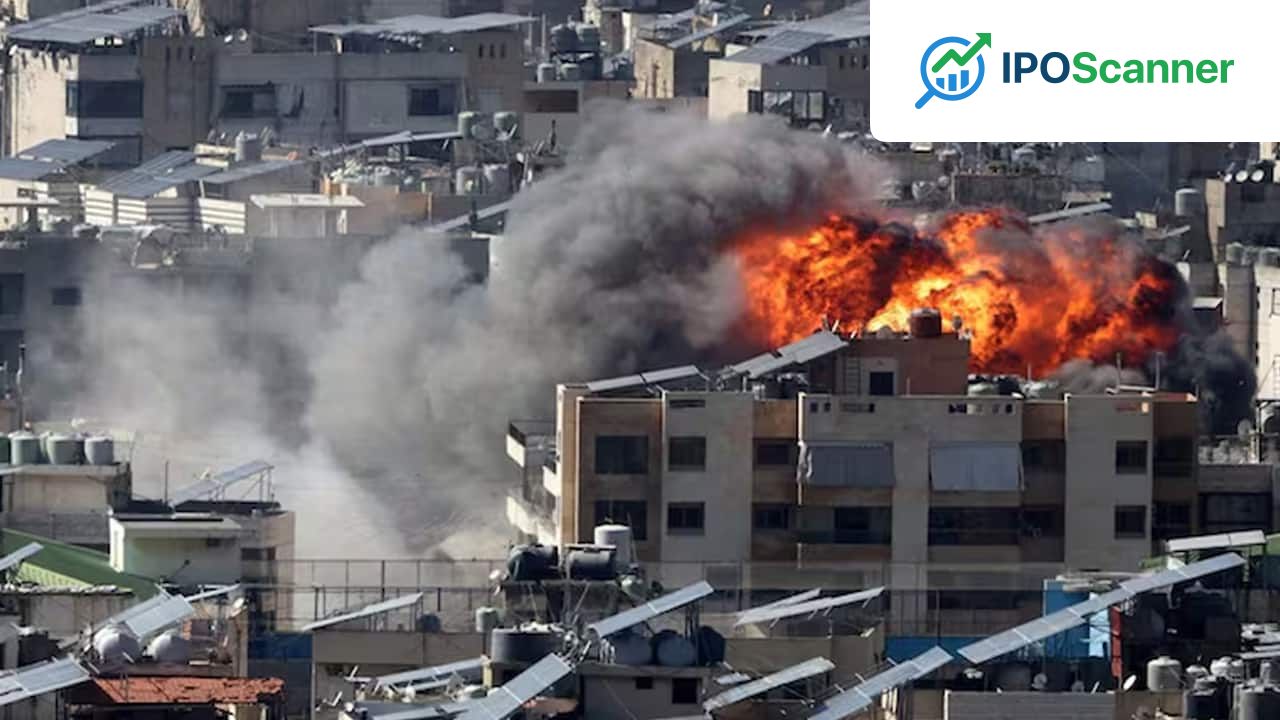
The US-Iran Conflict: An Economic Perspective on the Costs of War
US-Iran Conflict: Monetary Constraints Hamper US War Efforts
The US attack on Iran alongside Israel in late February appeared to have all the ingredients necessary for an early victory, with the US enjoying overwhelming advantages in defence spending, military hardware, and technological innovation. However, the US has been unable to leverage these advantages to secure a decisive victory, instead pushing for a negotiated end to the conflict through a turbulent ceasefire process.
A closer examination suggests that monetary constraints may be the principal reason for the US' inability to secure a decisive victory. The cost of the conflict has been substantial, with the US having spent $29 billion in direct war costs, according to a Pentagon report submitted to Congress in mid-May. Total expenditure is estimated to have reached approximately $95 billion and is reportedly increasing by $2 billion to $3 billion every day.
The Rising Cost of War
Read also: RBI Must Adopt a Measured Hawkish Monetary Policy Stance
All wars are expensive undertakings, and countries embarking on military offensives must conduct a careful political economy assessment to avoid miscalculations that can lead to exorbitant costs and denial of victory. The US appears to have misread the situation, relying heavily on the vast disparity in material capabilities between the two countries. Iran was widely perceived as a relatively weak military power, occupying a distant 16th position in the Global Firepower 2026 Military Strength Ranking.
| Country | Military Strength Ranking |
|---|---|
| US | 1st |
| Iran | 16th |
| Israel | 5th |
| NATO Allies | Variable |
However, the US also appears not to have adequately assessed the long-term financial costs of the conflict while formulating its war strategy. The US has received little meaningful support from its NATO allies, with President Trump's vision of greater burden-sharing in defence expenditure not materialising in the current conflict.
Ammunition Shortages and Supply Constraints
Read also: LIC Maintains Significant Stake in Rajesh Exports, Foreign Institutional Investors Hold Nearly 14%
The challenges do not end there. Reports suggest that nearly half of US ammunition stockpiles have already been exhausted, according to a recent report published by the Washington-based Centre for Strategic and International Studies (CSIS). It could take at least three years for the American military-industrial complex and its contractors to replenish inventories fully. This may also help explain the reported cancellation of a $16 billion arms transfer to Taiwan, as the US seeks to preserve depleted inventories for the Iran conflict should negotiations collapse.
Lessons from Afghanistan
The US may also have underestimated the lessons from its own military history, particularly the two-decade war in Afghanistan, which reportedly cost around $900 billion. Despite possessing overwhelming superiority in every major dimension of military power, the US was unable to translate that advantage into a decisive victory. Ultimately, it negotiated its withdrawal and handed power back to its long-time adversary, the Taliban.
One explanation may be geography. Even the world's most powerful military can find it difficult to wage and win wars at great distances. Budgetary superiority and technological advantages offer only limited benefits under such circumstances.
Domestic Political Limits on War Financing
A prolonged conflict could also weaken domestic political support. Public opinion remains sharply divided over the costs of military intervention. Like citizens elsewhere, Americans are unlikely to support war financing enthusiastically if it requires higher taxes or additional economic sacrifices. A March 2026 survey conducted by the Washington-based Pew Research Center found that six out of ten Americans broadly disapproved of US military action against Iran.
Money Alone Cannot Win Wars
One of the key lessons emerging from contemporary conflicts is that money alone does not determine military outcomes. The US appears to have overlooked some of the lessons from its previous military setbacks. The inability of the dollar to secure either an outright victory or a favourable negotiated settlement should temper the enthusiasm of those advocating prolonged conflict.
President Trump therefore faces a difficult choice: continue the war and perhaps secure victory at some future date by spending hundreds of billions of additional dollars, or seek to negotiate an end to the conflict on terms favourable to the United States through diplomacy, pressure, and strategic bargaining. From an economic standpoint, the latter option appears more attractive. If the conflict ends through a negotiated settlement or even a long-term ceasefire, he could claim credit for saving American taxpayers billions of dollars.
Investor Takeaway
The ongoing conflict may have significant long-term economic implications for the involved countries.
More in Economy

RBI Must Adopt a Measured Hawkish Monetary Policy Stance

LIC Maintains Significant Stake in Rajesh Exports, Foreign Institutional Investors Hold Nearly 14%

Indian Rupee Holds Steady at 95.71 Against the US Dollar Ahead of RBI Monetary Policy Committee Decision