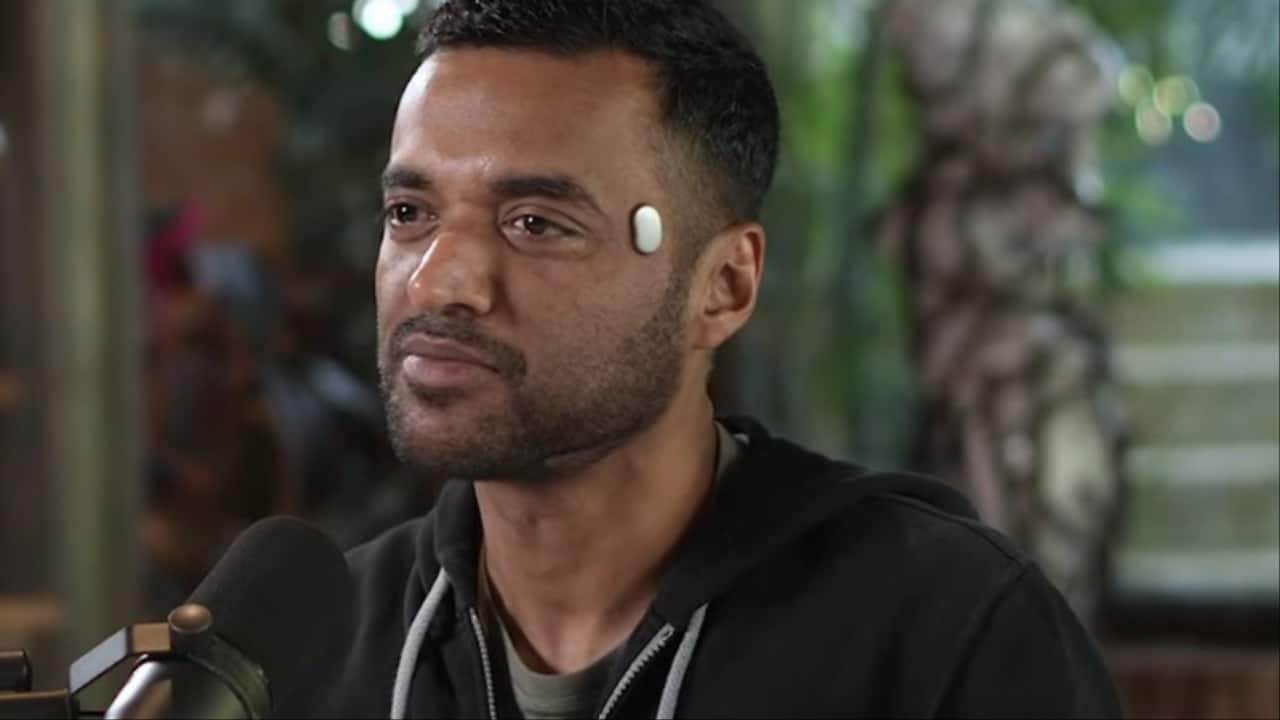
Temple Recruitment Practices Draw Scrutiny Over Alleged Body Fat Criteria
Temple Wearable Technology Startup Faces Backlash Over Strict Body Fat Requirements
Company Name: Temple Founder: Deepinder Goyal Industry: Wearable Technology
On February 27, 2026, a hiring post by Deepinder Goyal, founder of Eternal, for his wearable technology startup, Temple, sparked widespread criticism. The job posting included strict body fat requirements for applicants, with men required to have a body fat percentage below 16% and women below 26%. Alternatively, applicants could commit to reaching these levels within three months while remaining on probation.
The hiring criteria have been questioned for their legality under Indian hiring norms. Critics argue that physical attributes unrelated to job performance cannot be used as a filter in recruitment. Several users flagged the move as potentially discriminatory, warning that publicly advertising such requirements could invite legal scrutiny.
Read also: Kumar Mangalam Birla to Address Concluding Function of RSS Training Camp
The backlash has also expanded to criticism of the broader ecosystem. Some users compared the move to an instant food delivery company promoting extreme fitness standards, calling it contradictory given the role such platforms play in enabling unhealthy consumption. Others dismissed the venture itself, arguing that similar health-tracking technology already exists in consumer wearables and questioning the scientific basis of Temple's approach.
Temple's hiring philosophy is based on the idea that the product should be built by people who "wear what they build" and are willing to push their bodies in the same way the end users would. This approach aims to create a team that lives the problem daily and is driven to perfect the product through firsthand experience.
Investor Takeaway
Investors should be cautious of companies with discriminatory hiring practices.
More in General

Kumar Mangalam Birla to Address Concluding Function of RSS Training Camp

The Cost of Healthcare: Why Predictability in Medical Inflation is Crucial for Health Insurance

Former Google Executive Warns AI Risks Stem from Human Misuse, Not Technological Limitations