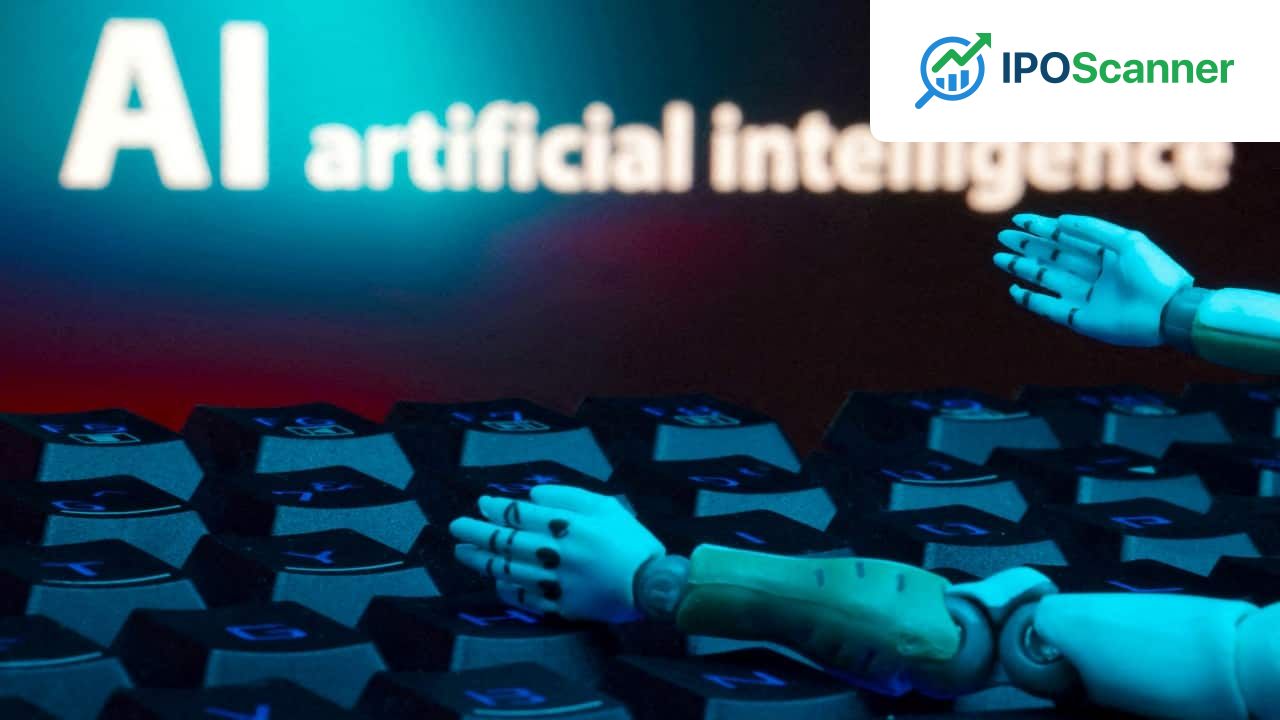
Former Google Executive Warns AI Risks Stem from Human Misuse, Not Technological Limitations
Artificial Intelligence Poised to Disrupt Industries, Jobs, and Economies by 2028
Former Google X chief business officer Mo Gawdat has warned that artificial intelligence (AI) could significantly disrupt industries, jobs, and economies within the next three years. According to Gawdat, the greatest threat does not come from AI itself, but from the way powerful institutions deploy the technology.
Gawdat, a prominent technology commentator and former senior executive at Google's innovation lab, has repeatedly argued that AI is advancing at a pace that societies are struggling to match. He believes automation and AI-powered systems could reshape workplaces faster than governments, businesses, and education systems can adapt. This shift is likely to be challenging for workers and businesses, with labour markets facing significant disruption in the coming years.
The effects of artificial intelligence are expected to become increasingly visible by 2028, with businesses expected to automate a growing number of routine and knowledge-based tasks. While factory and administrative jobs are often seen as the most vulnerable, Gawdat cautioned that professionals in fields such as finance, law, consulting, and media could also face significant disruption as AI systems become more capable.
Read also: Kumar Mangalam Birla to Address Concluding Function of RSS Training Camp
The greatest danger lies not in the technology itself but in how it is deployed. Companies rushing to automate work without adequate safeguards could trigger widespread job losses, while also increasing the spread of false information and concentrating power among a small number of technology giants. To mitigate these risks, governments need to act quickly to help people adapt to changing workplace demands and ensure the economic benefits of new technologies are distributed more broadly.
While warning about the risks, Gawdat also highlighted the potential benefits of AI, saying the technology could support breakthroughs in research, healthcare, and business. He urged young people to adapt to the changing workplace by learning how to use new tools effectively while strengthening skills that rely on human insight and decision-making.
| Field | Vulnerability to AI Disruption |
|---|---|
| Finance | High |
| Law | High |
| Consulting | High |
| Media | High |
| Factory Jobs | High |
| Administrative Jobs | High |
Organisations around the world are accelerating the use of artificial intelligence, raising fresh questions about how workers and economies can adapt to rapid technological change.
Read also: The Cost of Healthcare: Why Predictability in Medical Inflation is Crucial for Health Insurance
Investor Takeaway
Investors should be cautious of the potential risks associated with AI and its impact on industries and jobs.
More in General
Kumar Mangalam Birla to Address Concluding Function of RSS Training Camp

The Cost of Healthcare: Why Predictability in Medical Inflation is Crucial for Health Insurance

Bahamas Uncovers First Confirmed Pirate-Era Shipwrecks Linked to Notorious Pirates of the Caribbean Era