Researchers Use Underwater AI Glider to Decode Sperm Whale Conversations in Real Time
Breakthrough in Whale Research: Autonomous Robot Tracks Sperm Whale Conversations in Real Time
Scientists at Project CETI in New York have made a groundbreaking discovery in the field of marine biology with the development of an autonomous underwater robot capable of tracking sperm whale conversations in real time. The system, which uses underwater microphones and onboard software to follow whales without direct human control, was tested in waters near Dominica in the Caribbean.
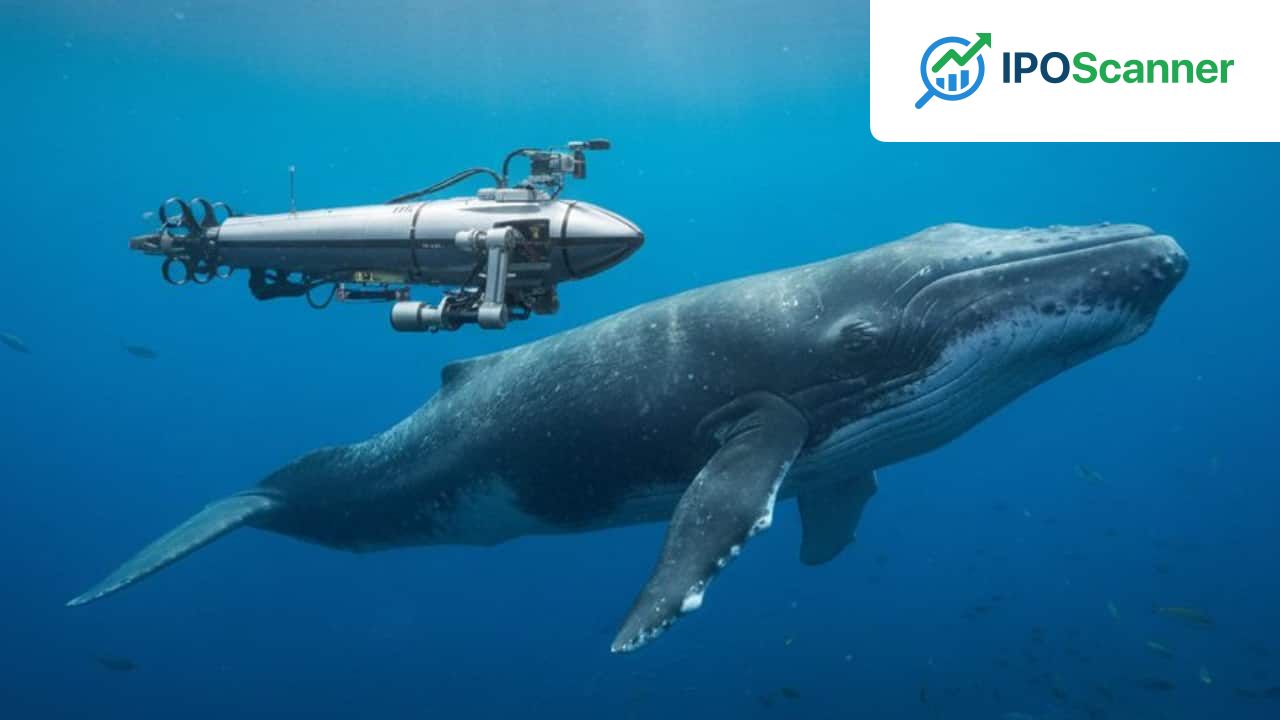
The robot, known as a glider, moves quietly through the ocean by adjusting its buoyancy instead of relying on noisy propellers. Equipped with four hydrophones, it detects the direction of sperm whale clicks and changes course automatically to stay close to the animals during long dives. This technology allows for continuous observation of whales in their natural habitat while causing minimal disturbance.
The findings were published this week in the journal Scientific Reports and represent one of the most advanced efforts yet to study whale communication in the open ocean. Sperm whales are known for producing powerful clicking sounds, called codas, which scientists believe are used for social interaction and group coordination. These whales live in close family groups and can dive more than 1.6 kilometers below the surface for up to an hour while hunting squid.
Read also: Kumar Mangalam Birla to Address Concluding Function of RSS Training Camp
Project CETI, which stands for Cetacean Translation Initiative, combines marine biology, robotics, and artificial intelligence to better understand whale language. Researchers have collected millions of whale clicks over recent years and are using machine learning systems to identify repeating sound patterns that may carry specific meanings.
The new glider helps researchers move from short observations to long-term tracking of whale behavior, said David Gruber, founder and president of Project CETI. Scientists hope this will reveal how whales interact, coordinate movements, and respond to threats in their environment. The technology could also help researchers measure the impact of human activity on marine ecosystems, including the effects of increased ship traffic, underwater construction, and industrial noise on whale communication and navigation.
| Comparison of Tracking Methods | | --- | --- | | Temporary Suction Tags | Long-term tracking of whale behavior | | Stationary Listening Stations | Continuous observation of whales in their natural habitat | | New Glider Technology | Real-time tracking of sperm whale conversations |
Researchers caution that the system still has limitations. The glider can identify the direction of whale sounds but cannot always determine the whales' precise location. Even so, marine experts say the project marks a major step towards understanding one of the ocean's most intelligent and mysterious species.
Read also: The Cost of Healthcare: Why Predictability in Medical Inflation is Crucial for Health Insurance
More in General

Kumar Mangalam Birla to Address Concluding Function of RSS Training Camp

The Cost of Healthcare: Why Predictability in Medical Inflation is Crucial for Health Insurance

Former Google Executive Warns AI Risks Stem from Human Misuse, Not Technological Limitations