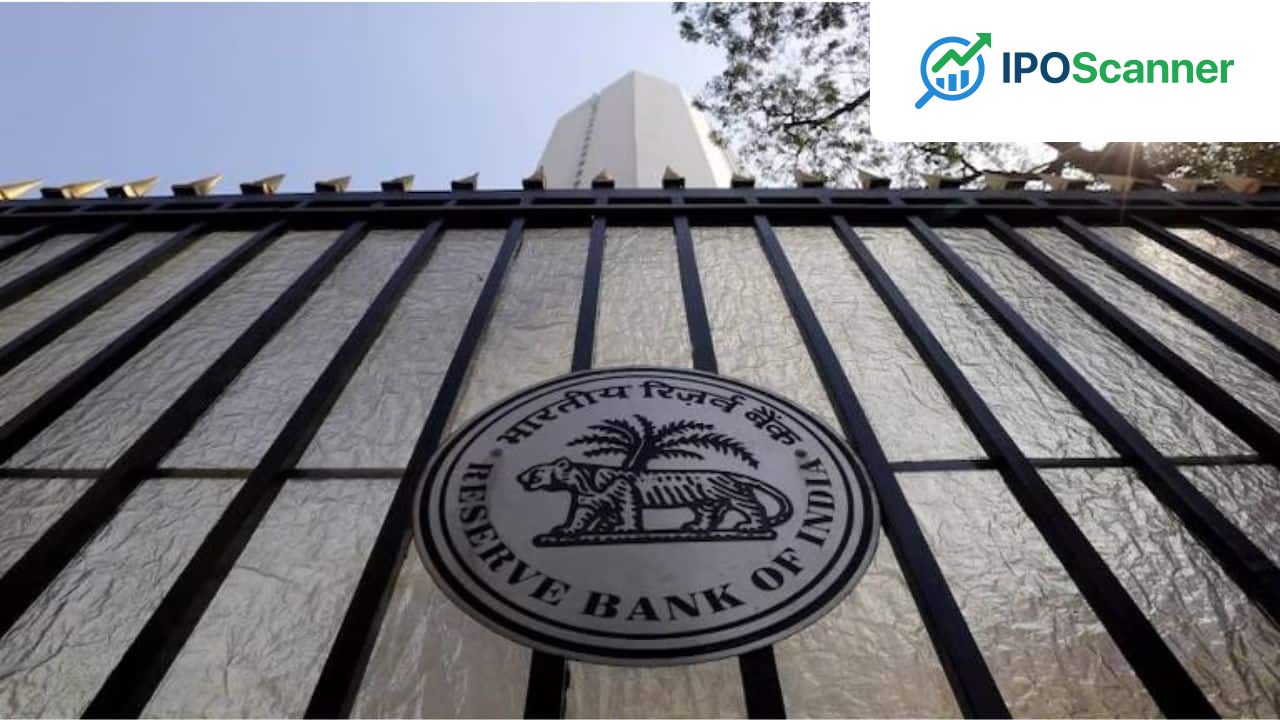
RBI's Policy Dilemma: A Balancing Act in Monetary Decision-Making
Reserve Bank of India Faces Challenges in Navigating "Impossible Trinity" in Adverse Global Environment
As the Reserve Bank of India (RBI) meets for its June policy review, the central bank is faced with a complex challenge in balancing the country's economic growth, inflation, and exchange rate stability. The "impossible trinity" - a concept that suggests a country cannot simultaneously achieve exchange rate stability, monetary independence, and free capital flows - has become even more daunting in the current global environment.
The RBI is likely to face pressure to keep real GDP growth close to 6 percent, while managing inflation risks that are resurfacing due to geopolitical tensions and the rising probability of a super El Niño. This could push CPI inflation towards the upper end of the Monetary Policy Committee's tolerance band of 2-6 percent. Externally, capital outflows and widening imbalances have exerted sustained pressure on the rupee, which has depreciated sharply in recent months.
External Sector Outlook Remains Constrained
The external sector outlook remains challenging, with weak global growth prospects limiting export growth and imports staying elevated due to higher energy and input costs. Remittance flows could also soften, given their concentration in Gulf economies, which account for roughly 38 percent of total inflows. On the capital account, sustained FPI outflows and muted FDI flows pose challenges in financing the widening current account deficit.
Measuring the Impact of External Pressures on the Rupee
| Indicator | Current Scenario | Adverse Scenario |
|---|---|---|
| GDP Growth | 6% | 4.5% |
| Inflation | 5% (baseline) | 5.7% (adverse) |
| Capital Outflows | Sustained | Increasing |
| Remittance Flows | Softening | Decreasing |
| Current Account Deficit | Widening | Increasing |
A measured pause in policy, combined with targeted liquidity support and tolerance for gradual currency adjustment, appears to be the most balanced approach for now. However, the core issue remains the widening balance of payments (BOP) deficit, which is increasingly being reflected in currency pressures. While a weaker rupee is part of the adjustment mechanism, excessive or disorderly depreciation risks triggering adverse feedback loops through imported inflation, financial instability, and unanchored expectations - necessitating calibrated intervention.
Read also: Rajesh Exports Chairman Denies Allegations Following SEBI Order
Addressing the BOP Deficit
The RBI could look to mobilise capital through directed external commercial borrowing (ECB) channels, including USD-denominated borrowings by public sector entities. Measures to incentivise bank borrowings, such as subsidising hedging costs, may also be required. Over the medium term, capital flow sustainability will also hinge on structural reforms such as rationalisation of FPI taxation and broader capital account incentivisation.
In the absence of such measures, the adjustment burden risks shifting towards sub-optimal policy tools, including quantitative import curbs on non-essential goods, tighter limits on outward flows through the Liberalised Remittance Scheme (LRS) and Overseas Direct Investment (ODI), or administrative measures such as faster drawdown of EEFC balances. Additionally, aggressive domestic fuel price adjustments could be required - each carrying potential downside risks for growth.
Rate Hike Alone Won't Work
There have been calls for aggressive rate hikes to defend the currency, but interest rates are a blunt instrument for exchange rate management. Historical experience suggests that rate tightening alone has limited effectiveness in stabilising the currency unless supported by capital flow measures. The RBI may have to hike repo rate by 50-100 bps in FY27, beginning from October, to manage inflation pressures that are expected to rise to 5.7 percent in an adverse scenario.
Financial markets appear to be pricing in such a trajectory, with the OIS curve factoring in 125-150 basis points of tightening over the next year, while bond markets have also adjusted, with the short end of the curve likely to respond more sharply as policy normalisation unfolds. For now, liquidity conditions remain supportive, with the RBI using variable rate reverse repos (VRRs) to manage imbalances. However, a gradual tightening of liquidity may be necessary before the rate hike cycle begins.
In the June policy outcome, the focus will not only be on rate decisions but also on signals around policy stance and potential divergence in views amid heightened uncertainty. Equally critical will be any regulatory or incentive measures aimed at attracting capital flows to ease pressure on the rupee.
More in Economy

Defence and Power Sectors Record Highest Expenditure in May, Retail Found to be Undervalued: PL Research
Rajesh Exports Chairman Denies Allegations Following SEBI Order

Rural Fintech's Potential to Fuel India's Future Growth