
Rural Fintech's Potential to Fuel India's Future Growth
India's Fintech Revolution: From Urban Consumption to Rural Productivity
For years, India's fintech story has revolved around urban consumption, with digital payments, stock trading apps, quick commerce, and neo-banking platforms dominating the metropolitan landscape. However, a new wave of fintech opportunity is emerging from a most unexpected place: the rural heartland of Bharat.
At the center of this shift are agri-SMEs (Small and Medium Enterprises), which form the connective tissue of India's agricultural economy. These businesses account for nearly 33 per cent of the country's MSME (Micro, Small, and Medium Enterprises) ecosystem, yet remain one of the most underleveraged segments in Indian finance.
India's agriculture sector is a behemoth, valued between $580 billion and $650 billion and contributing nearly 18 per cent to GDP while supporting close to 45 per cent of the workforce. Yet, the businesses powering the farm-to-market economy continue to operate with limited access to formal finance.
Read also: Citi CEO Confident in India's Long-term Growth Prospects
The Invisible Agri Economy
One of the biggest misconceptions about agriculture is that farmers are the only critical participants in the ecosystem. In reality, farmers rarely sell directly to processors, exporters, or consumers. The agricultural value chain runs through traders, aggregators, warehouse operators, processors, transport networks, and mandi ecosystems. Without these businesses, the farm economy simply does not function.
However, a large proportion of these enterprises still operate on handwritten ledgers, informal cash cycles, and fragmented local networks. India's agri economy has historically been credit-rich informally and credit-poor formally.
The Credit Gap
Read also: RBI Monetary Policy Committee Meeting: Key Takeaways Focus on Communication and Policy Direction
As of FY21, only 19 per cent of MSME credit demand was being met through formal channels, leaving an estimated ₹80 lakh crore credit gap. More than 80 per cent of small agri-businesses continue to face challenges in accessing timely and affordable credit.
The core issue is visibility. Traditional lenders struggle to underwrite rural enterprises because conventional underwriting models are designed around fixed collateral rather than seasonal cash flows, commodity cycles, or transaction-led rural businesses.
Technology to the Rescue
This is where rural fintech becomes important. The rise of rural fintech is not being driven by a single lending app or payments platform. It is being enabled by a broader digital infrastructure layer that India has quietly built over the last decade, including GST adoption, Aadhaar-linked verification, UPI penetration, Udyam registration, account aggregators, and emerging initiatives such as AgriStack.
Every GST invoice generated by an agri-input dealer, every UPI payment collected by a mandi trader, and every procurement transaction recorded by an FPO (Farmer Producer Organisation) contributes to a growing financial identity layer for rural enterprises. What was once an opaque economy dependent on paper records is gradually becoming machine-readable and therefore financeable.
Momentum Building
Credit outstanding to MSMEs reached ₹31.3 lakh crore across 2.45 crore accounts in FY25, while co-lending models for agri and MSME financing surged nearly sevenfold to ₹11,497 crore. These numbers remain small relative to the size of the opportunity, but they signal something important: formal capital is finally beginning to move deeper into Bharat's productive economy.
The Mandi Revolution
One of the biggest misconceptions about Indian agriculture is that mandis are becoming irrelevant. In reality, they remain among the most critical institutions in rural commerce. More than 80 per cent of Indian farmers still depend on mandis to sell agricultural produce, while over 7,000 APMC-regulated mandis continue to anchor trade across states and Union Territories.
The 2020 farm law episode revealed something important: the mandi is not merely an economic marketplace. It is a deeply embedded social and trust-based institution within rural India. No agricultural commerce model can scale sustainably without integrating into that ecosystem.
Rural Fintech: Infrastructure, Not Inclusion
For fintech companies, this creates a fundamentally different opportunity from urban consumer finance. The biggest fintech companies of the next decade may not emerge from consumer apps but from businesses embedded deep within India's agricultural supply chains.
The real moat in rural India is not built online alone. It is built through deep physical integration with agricultural ecosystems and trust-based trade networks. A company embedded across mandi ecosystems is not simply acquiring customers; it is embedding itself into the core infrastructure of agricultural commerce.
The Impact
The impact extends beyond lending itself. India loses nearly 30 per cent of its agricultural produce annually due to fragmented supply chains, poor storage infrastructure, and logistical inefficiencies. Formalising agri-SMEs through technology does not simply improve access to credit; it improves the efficiency, resilience, and transparency of India's food economy itself.
Rural fintech is no longer merely a financial inclusion story. It is rapidly becoming one of India's most important infrastructure opportunities.
Investor Takeaway
Investors should consider the potential growth of rural fintech in India.
More in Economy

Citi CEO Confident in India's Long-term Growth Prospects
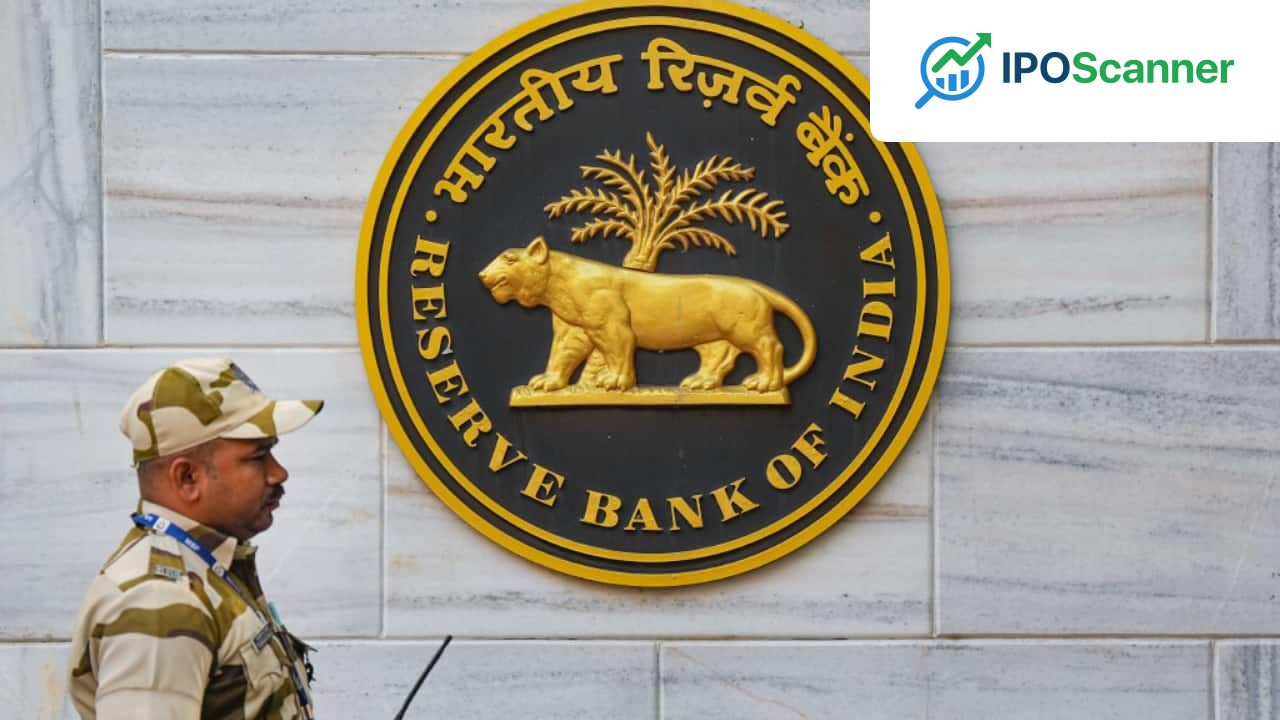
RBI Monetary Policy Committee Meeting: Key Takeaways Focus on Communication and Policy Direction

Auditors of Rajesh Exports Criticised for Overlooking Discrepancies in Financial Reporting