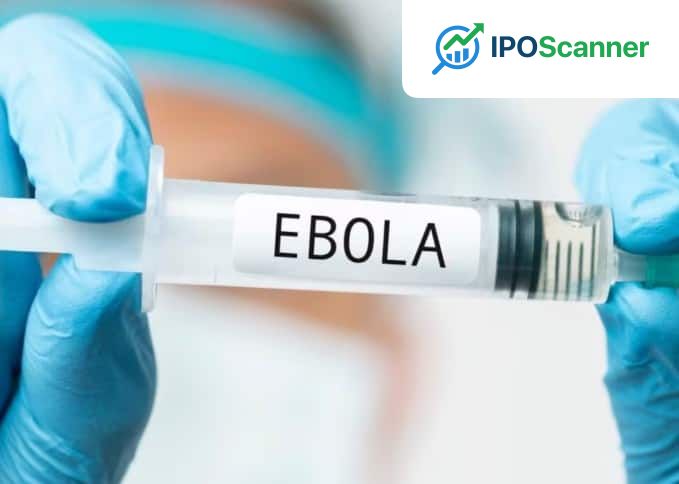
Ebola Outbreak Explained: Transmission and Risk Assessment in India
Ebola Outbreak in Africa Draws Global Attention
The Ebola outbreak in parts of Africa continues to draw global attention, with health authorities monitoring its spread closely. While Ebola is a severe and often fatal disease, experts stress that it behaves very differently from airborne pandemics like COVID-19, making it easier to contain with the right public health response.
What is Ebola and What Causes it?
Ebola is a rare but highly dangerous viral illness caused by a group of viruses known as orthoebolaviruses. The Africa Centres for Disease Control and Prevention (Africa CDC) has officially declared the ongoing outbreak of Ebola to be the Bundibugyo strain. It is a zoonotic disease, meaning it originates in animals, especially fruit bats, before spilling over into humans through close contact. Once infected, individuals typically experience flu-like symptoms such as fever, fatigue, and body aches, which can rapidly progress to more severe complications like vomiting, diarrhea, bleeding, and organ failure. Fatality rates can average around 50 percent, though they can be much higher in some outbreaks.
Read also: AI's Trillion-Dollar Bet Raises Concerns About Global Economic Stability
How Does Ebola Spread?
Ebola spreads through direct contact, not through the air. Transmission occurs when a person comes into contact with the blood or bodily fluids of an infected individual, including saliva, vomit, or urine, or through contaminated surfaces and medical equipment. It can also spread through contact with infected animals or the bodies of those who have died from the disease. Importantly, Ebola is only contagious once symptoms appear, which makes it easier to detect and isolate cases early.
What is WHO Saying about the Current Outbreak?
The World Health Organization (WHO) has flagged Ebola outbreaks in parts of Africa as a serious public health concern, particularly at the local level. The organization has warned that outbreaks can be difficult to control in regions with fragile healthcare systems or ongoing conflict, which can delay detection and response. However, the global risk remains low, with most outbreaks historically remaining contained within specific geographies due to the nature of transmission.
Read also: Citi CEO Confident in India's Long-term Growth Prospects
How Much is India at Risk?
The Union Health Ministry confirms that no Ebola cases have been reported in India so far. The risk remains low for India at present, primarily because Ebola does not spread easily without direct physical contact and because travel links with affected regions are relatively limited. However, health authorities continue to monitor the situation closely, as the risk of imported cases through international travel cannot be completely ruled out. Early identification and isolation remain critical in preventing any potential spread. The government is advising people to avoid non-essential travel to Democratic Republic of the Congo, Uganda, and South Sudan - the regions where Ebola is spreading.
How Prepared is India?
India has put in place surveillance and response mechanisms to deal with potential cases. These include screening travellers from affected regions, strengthening disease surveillance networks, and preparing healthcare facilities for rapid isolation and treatment. Institutions such as the National Institute of Virology in Pune are equipped to handle testing and confirmation of suspected cases.
Do Vaccines and Treatments Exist?
The Bundibugyo ebolavirus is genetically distinct from other Ebola species. It is less lethal than the more common Zaire strain but stands out because there are currently no approved vaccines or targeted therapeutics specifically developed for it. India is also part of global research efforts, including vaccine development collaborations against Ebola.
| Country | Travel Warning |
|---|---|
| Democratic Republic of the Congo | Avoid non-essential travel |
| Uganda | Avoid non-essential travel |
| South Sudan | Avoid non-essential travel |
More in Economy

AI's Trillion-Dollar Bet Raises Concerns About Global Economic Stability
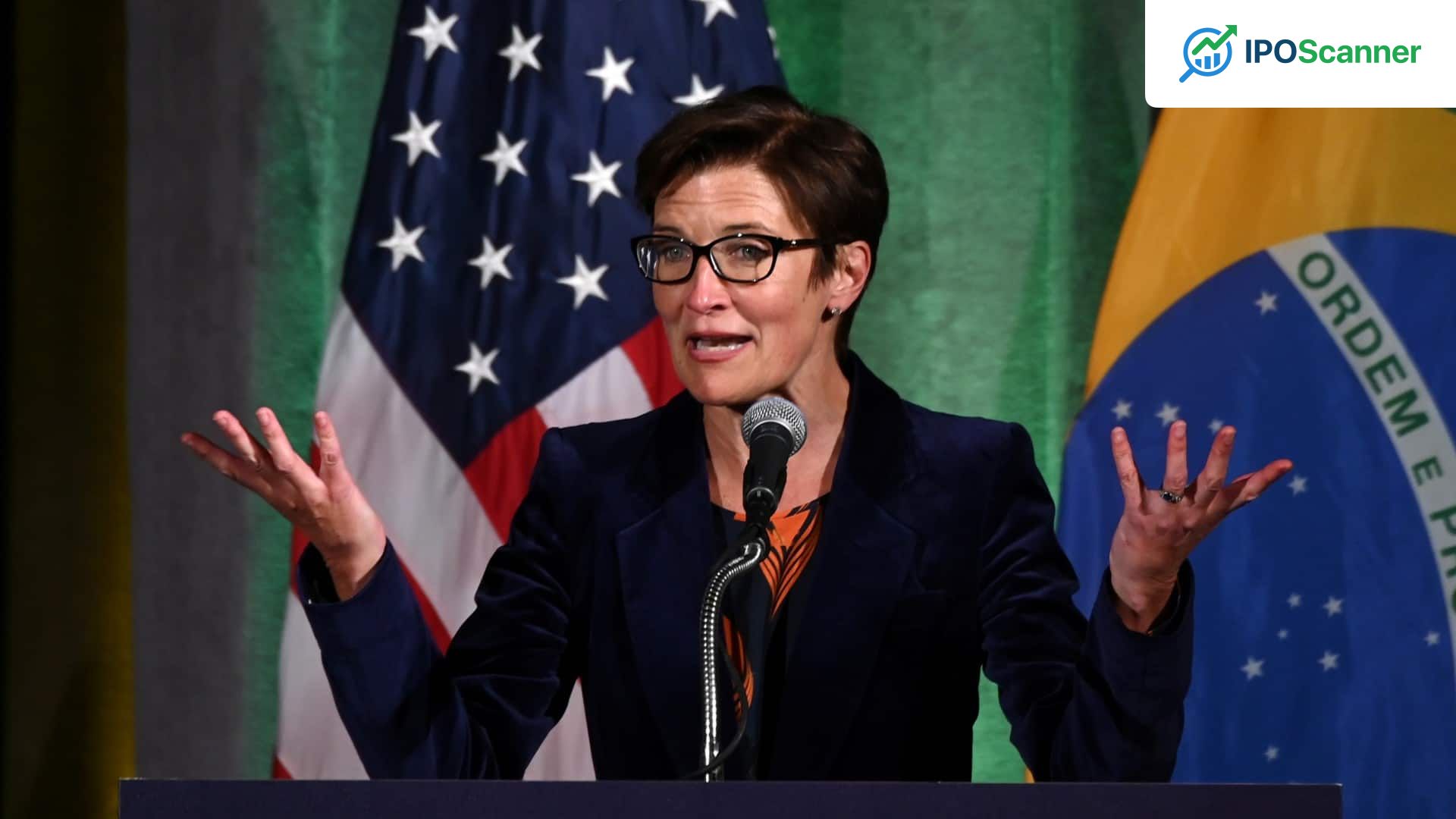
Citi CEO Confident in India's Long-term Growth Prospects
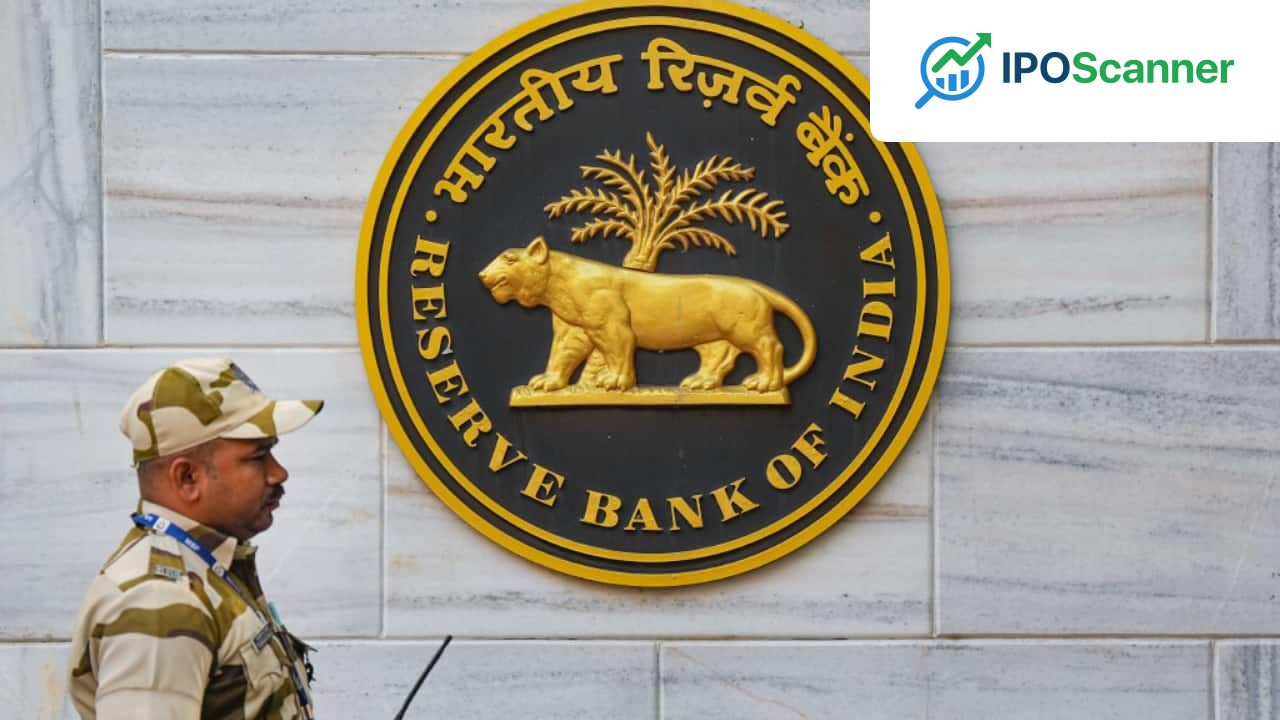
RBI Monetary Policy Committee Meeting: Key Takeaways Focus on Communication and Policy Direction