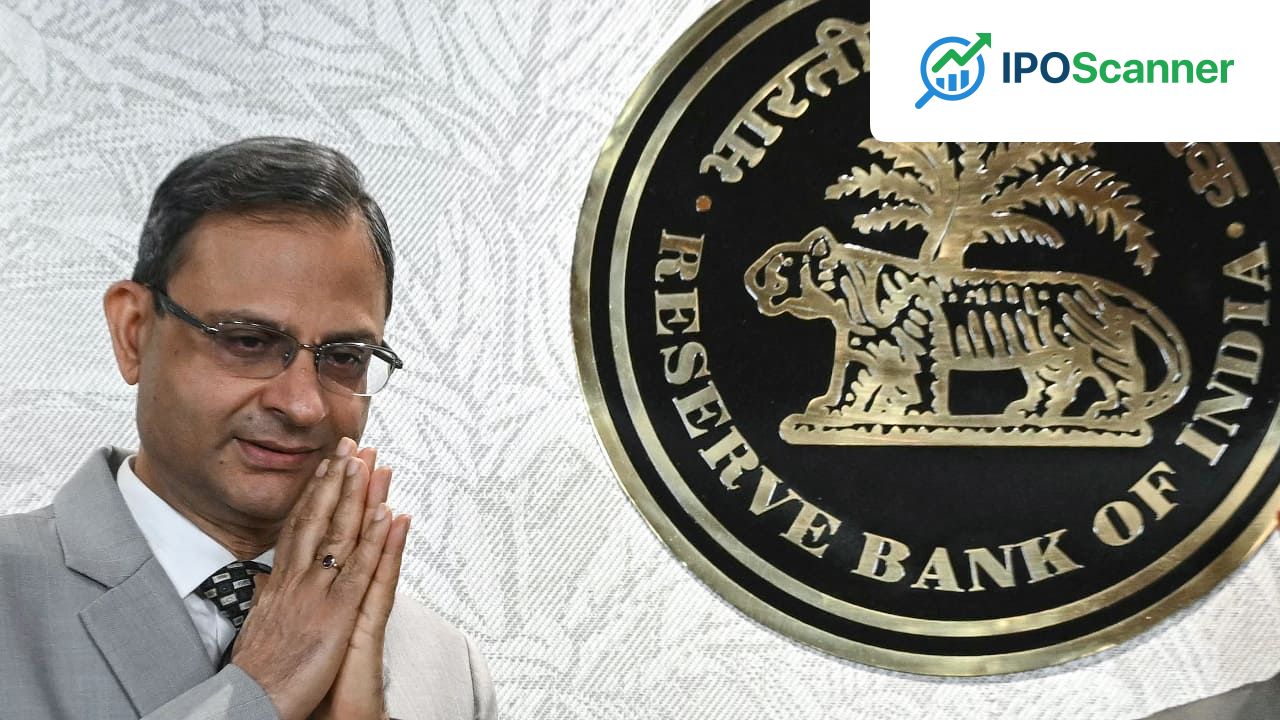
RBI Maintains Repo Rate Amid Global Economic Uncertainty Provides Stability to Realty Sector
Reserve Bank of India's Repo Rate Hold to Sustain Housing Demand Amid Global Uncertainty
The Reserve Bank of India's (RBI) decision to hold the repo rate at 5.25 percent on June 5 is expected to sustain housing demand and investment activity in the face of rising geopolitical and macroeconomic risks. Industry experts and developers have welcomed the move, citing its stabilizing effect on the housing market and the predictability it provides for both homebuyers and developers.
The decision comes at a time when elevated crude oil prices, a weak rupee, and the ongoing Iran war are creating inflationary pressures and increasing uncertainty across global markets. Industry executives said the status quo provides predictability for both homebuyers and developers, helping offset pressures from rising construction costs and external economic shocks.
Stable Interest Rate Environment to Support Housing Market
Read also: RBI Considers Introduction of Polymer Currency Notes
The RBI's move is expected to keep homebuyers' EMIs on course, providing stability to the housing market. Anshuman Magazine, Chairman and CEO - India, Southeast Asia, Middle East and Africa at CBRE, said the RBI's move reflects a "measured and responsible" approach at a time when global conditions warrant caution rather than aggressive policy action.
Shekhar G Patel, President, CREDAI, said that with geopolitical tensions, inflationary concerns, and currency volatility continuing to influence markets globally, policy continuity will bode well for the real estate sector and help sustain overall market stability. Parveen Jain, President, NAREDCO, said the decision also provides greater predictability for developers, enabling better financial planning and smoother execution of projects.
Housing Demand Remains Resilient
The rate pause comes as the housing market continues to grow despite signs of moderation in quarterly sales. According to ANAROCK Group data, residential sales in the top cities fell 7 percent on-quarter to 1,01,675 units in the March quarter. The total value of sales declined 5 percent to Rs 1.51 lakh crore.
Read also: Study Finds Earth's Building Blocks Originated from Inner Solar System
| Quarter | Residential Sales (Units) | Total Value of Sales (Rs crore) |
|---|---|---|
| March 2023 | 1,01,675 | 1,51,000 |
| December 2022 | 1,10,000 | 1,60,000 |
| September 2022 | 1,05,000 | 1,55,000 |
Anarock Group chairman Anuj Puri said the RBI's decision acts as an anchor for the residential sector at a time when developers are grappling with higher input costs linked to the middle east conflict. He added that new housing supply is outpacing sales, reversing a trend seen in the immediate post-pandemic years.
Benefits for Alternative Assets
The RBI's decision is also expected to support investment flows into real estate-linked alternative assets. Ankur Jalan, CEO of Golden Growth Fund, said investors are increasingly looking at real estate-backed alternative investment funds as geopolitical uncertainty affects traditional asset classes. He said the RBI's stable rate stance creates a conducive environment for long-term capital deployment.
Predictability and Affordability
Rajat Khandelwal, Group CEO of Tribeca Developers, said maintaining the repo rate at 5.25 percent provides confidence to buyers, particularly in premium housing markets such as Mumbai Metropolitan Region, NCR, and Pune. While borrowers may not see immediate relief in EMIs, stable borrowing costs help buyers plan better and support sustained housing demand.
Investor Takeaway
The RBI's decision to maintain the repo rate provides stability to the realty sector, sustaining housing demand and investment activity.
More in Economy

RBI Considers Introduction of Polymer Currency Notes

Study Finds Earth's Building Blocks Originated from Inner Solar System

Blackstone Backed AirTrunk Aims to Invest $30 Billion in India Data Centres by 2030