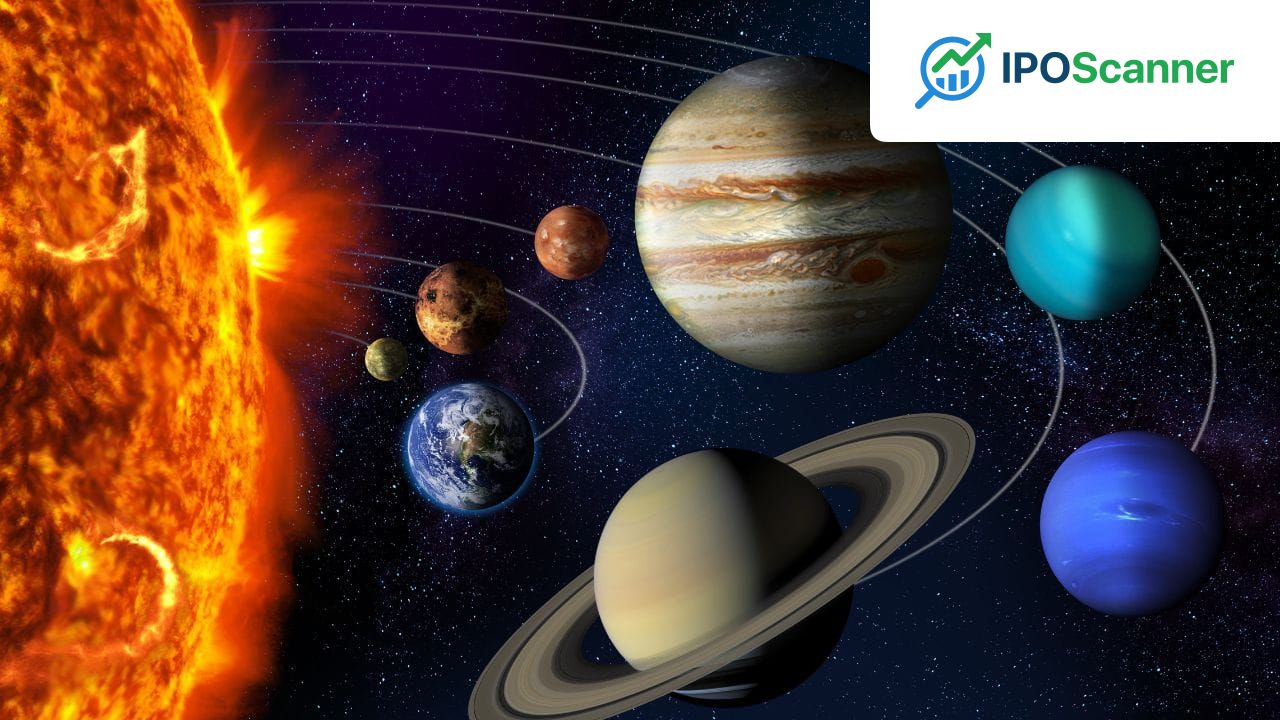
Study Finds Earth's Building Blocks Originated from Inner Solar System
New NASA Study Challenges Long-Standing Idea on Earth's Life-Supporting Elements
A recent study, supported by NASA, suggests that Earth may have acquired the essential ingredients for life from the inner solar system rather than from distant space rocks. The research, led by scientists at Rice University, challenges a long-standing idea that a significant share of Earth's life-supporting elements arrived from carbon-rich bodies that originated in the outer solar system.
According to the study, published in Science Advances, most of the planet's phosphorus and nitrogen, two elements crucial for life, were likely delivered by early planetary building blocks that formed closer to the Sun more than 4.5 billion years ago. These building blocks, known as planetesimals, were the small rocky objects that came together to form the planets in the inner solar system.
The researchers examined the phosphorus-to-nitrogen ratio in iron meteorites and compared it with that found in chondrites, a class of primitive meteorites that preserve clues about the early solar system. By recreating the formation of these ancient bodies in laboratory experiments and combining the results with geochemical models, the team was able to trace where the elements were likely concentrated during the solar system's infancy.
Read also: IVCA Seeks Pension, Insurance Investment Alternatives as Local Capital Gains Momentum
| Meteorite Type | Phosphorus-to-Nitrogen Ratio |
|---|---|
| Iron meteorites | 0.01-0.05 |
| Chondrites | 0.1-1.0 |
The findings suggest that Earth's mix of chemical elements can largely be traced back to the material that formed our planet in the inner solar system. This means that much of the life-essential elements, such as phosphorus and nitrogen, may have already been present in the planetesimals that formed Earth.
Researchers say that Jupiter may have influenced how key life-supporting elements were distributed across the early solar system. As Jupiter formed, its powerful gravity likely slowed or blocked the movement of phosphorus- and nitrogen-rich material between the inner and outer solar system. This helped shape where these elements eventually ended up.
The study provides fresh clues about how Earth obtained phosphorus and nitrogen, two elements essential for life. The results could also help scientists understand which planetary systems are most likely to have the ingredients needed for life as they search for potentially habitable worlds beyond our solar system.
More in Economy

IVCA Seeks Pension, Insurance Investment Alternatives as Local Capital Gains Momentum

Government, Reserve Bank of India Implement Emergency Measures to Support Rupee and Boost Foreign Investment Inflows

ITR Filing Deadlines for FY26 Vary by Taxpayer Status