RBI Governor Signals Caution Amid Deepening Global Energy Crisis Impact on Domestic Economy
Rising Global Energy Prices Pose Inflation Risks
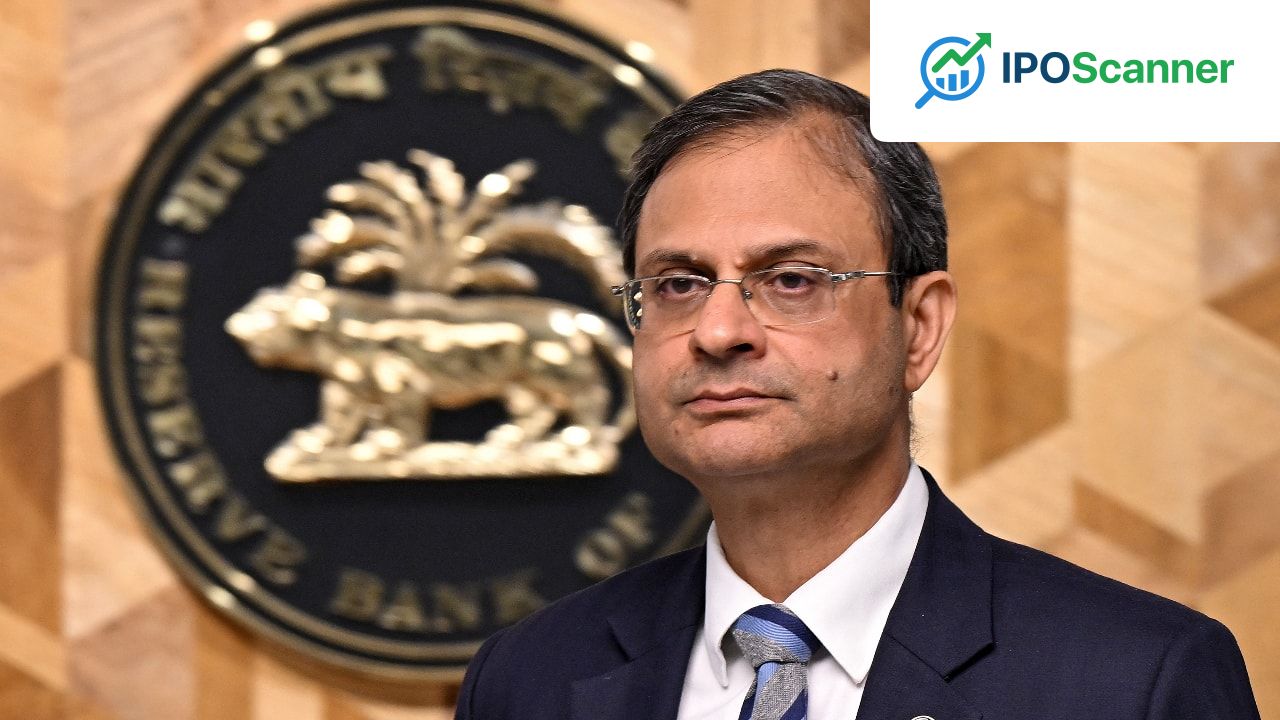
Reserve Bank of India (RBI) Governor Sanjay Malhotra has warned that rising global energy prices are beginning to feed into domestic costs and could push inflation higher in the coming months through second-round effects.
Speaking after the RBI's bi-monthly monetary policy review on June 5, Malhotra noted that the impact of elevated energy prices is no longer limited to fuel alone and is increasingly visible across a range of industrial inputs. The pass-through of higher global energy prices is also visible in commercial LPG, industrial raw materials, chemicals, rubber, and plastic products.
The food outlook remains uncertain due to the subnormal south-west monsoon forecast and El Nino, the governor said. The ongoing conflict in West Asia continues to pose significant risks to both inflation and economic growth, with no immediate resolution in sight. Volatility in energy markets, declining crude oil inventories, and firming global commodity prices have added to concerns over the inflation outlook.
Read also: RBI Considers Introduction of Polymer Currency Notes
| Quarter | FY27 Inflation Forecast (Percent) |
|---|---|
| Q1 | 4.2 |
| Q2 | 5.1 |
| Q3 | 5.9 |
| Q4 | 5.4 |
| FY27 | 5.1 |
The RBI raised its FY27 inflation forecast by 50 basis points to 5.1 percent, while revising downward its FY27 growth projection to 6.6 percent from the earlier 6.9 percent. Despite the upward revision, Malhotra said underlying price pressures remain contained. Excluding precious metals, core inflation is projected to be lower, suggesting that demand pressures remain contained.
The coming months will be crucial as elevated commodity prices and supply-chain disruptions continue to weigh on the economy. While diversification of imports has helped ease supply constraints, it has also increased procurement costs. The full impact will depend on the duration of the conflict, the time taken for normalisation of supply chains, and the burden-sharing approach among stakeholders.
Malhotra credited government measures aimed at supporting MSMEs and exporters, including efforts to increase domestic gas and crude supplies and promote alternative imported inputs. These initiatives have strengthened the economy's resilience against external shocks. According to the RBI, higher retail fuel prices have already added around 36 basis points to headline inflation. Additional second-round effects are expected to become visible over the next few months.
Read also: Study Finds Earth's Building Blocks Originated from Inner Solar System
The adverse implications of the extended disruption in supply chains and elevated energy prices are reflected in the moderation of growth and increase in inflation projections from the April policy. Consumer inflation remains below the RBI's target threshold, and the pass-through of global shocks to domestic prices has so far been limited. However, headline inflation is likely to firm up towards the upper tolerance band during the third quarter of FY27 before easing from the fourth quarter onwards as supply-side pressures recede.
The underlying inflation pressures continue to remain benign at this juncture. However, generalisation of inflation through second-round effects on expectations and wages is a distinct possibility, warranting close vigilance. Uncertainties around the southwest monsoon and potential El Niño conditions continue to cloud the outlook.
Investor Takeaway
Investors should be cautious of potential inflationary pressures and economic growth risks due to the global energy crisis.
More in Economy
RBI Considers Introduction of Polymer Currency Notes

Study Finds Earth's Building Blocks Originated from Inner Solar System

Blackstone Backed AirTrunk Aims to Invest $30 Billion in India Data Centres by 2030