Paying Off Loans Early vs Investing Extra Income: A Financial Comparison
The Debt Conundrum: To Pay Off or Invest?
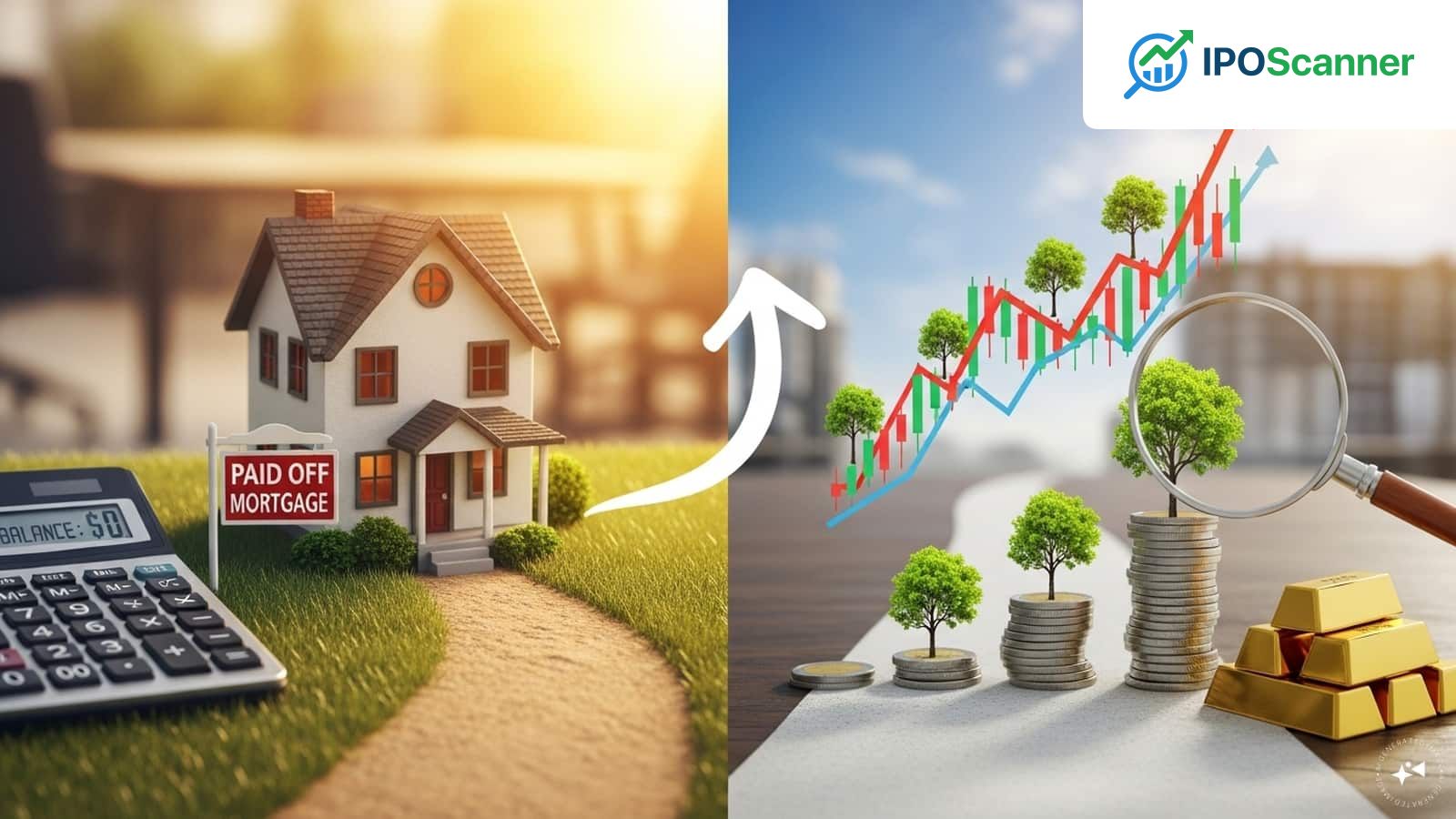
When individuals have extra cash at hand, they face a critical decision: should they use it to pay off a loan quicker or invest and earn on it? On paper, investing might seem like the more reasonable choice, as the potential earnings could be larger than the interest rate on the loan. However, in real life, the situation is more complicated and depends on whether the loan is a good debt or a bad one, the borrower's investment strategy, and their personal preferences.
Guaranteed Gains vs. Uncertain Returns
Using extra cash to prepay a loan means earning the interest rate on it risk-free. For example, paying off even a small portion of a loan with a 10% interest rate will result in getting a 10% return. Making a loan payment allows a person to earn money without taking risks. In contrast, investing money into any securities does not guarantee earnings. While some types of investments tend to produce better results than the interest on the loan over a long period of time, this cannot be considered guaranteed profits, making investments riskier than paying off loans.
Bad Debts Always Come First
Personal loans, credit card payments, or other kinds of consumer loans are known for their high interest rates. Hence, paying off these debts is quite profitable, as the cost of debt is rather high. In this case, it would be very difficult for any investment to produce returns bigger than the cost of the loan. Economically, paying off high-interest-rate loans is a very smart move.
| Loan Type | Interest Rate | Potential Return |
|---|---|---|
| High-interest loan | 20% | 20% |
| Credit card | 18% | 18% |
| Personal loan | 15% | 15% |
Good Debts Require a Different Attitude
Read also: Missing a Single EMI Payment Can Adversely Impact Credit Profile
Some home loans have relatively low interest rates, which makes prepayment less urgent. Instead, it could be wise to save extra cash or invest it into something more lucrative. However, one must remember that the only way investments can generate returns bigger than the cost of the debt is when they have been around for long enough. This means being prepared for some risks and staying with the investment even during tough times in the stock market.
The Problem of Liquidity
By paying off the debt with extra cash, one makes it unavailable, just like with any other type of money paid off in advance. This means that paying off debts is less suitable as an option if someone has a problem with the lack of emergency funds.
Psychological Aspects
Some people find satisfaction in becoming entirely debt-free. Getting rid of debts means gaining peace of mind and saving a lot of nerves and energy. For these individuals, it seems psychologically more rewarding to pay off their loans rather than save money or invest. On the other hand, some people prefer to take care of long-term profits from investments and do not feel bothered by being in a bit of debt.
Finding a Compromise
Sometimes, the best way to combine the advantages of two strategies is to allocate extra funds between paying off debts and making investments. This approach allows individuals to balance their desire for guaranteed returns with the potential for long-term growth.
More in General
Correcting Credit Score Errors: A Guide to Ensuring Accurate CIBIL Reports and Optimal Loan Eligibility

Missing a Single EMI Payment Can Adversely Impact Credit Profile
EPF Withdrawal Comes with Tax Implications: A Guide to Understanding the Consequences