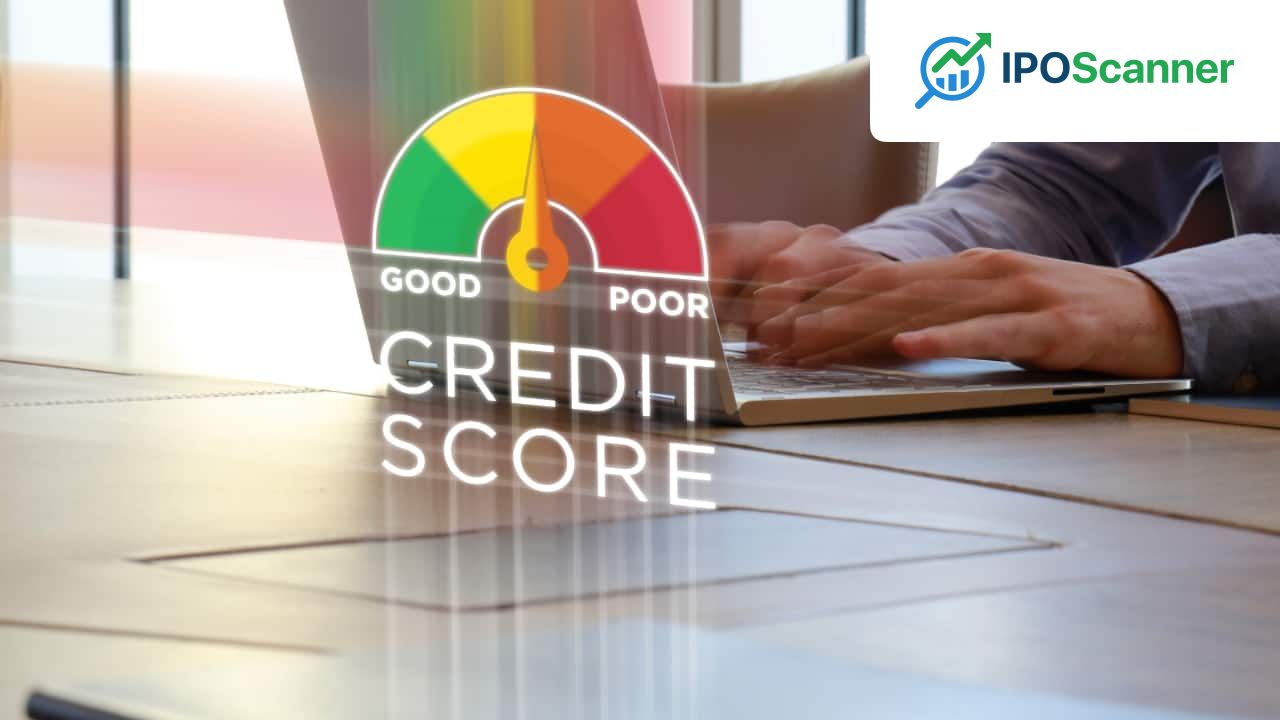
Correcting Credit Score Errors: A Guide to Ensuring Accurate CIBIL Reports and Optimal Loan Eligibility
Credit Report Mistakes Becoming a Growing Concern in India
A growing number of borrowers in India are discovering that their credit reports contain mistakes they never expected to see. Some find old loans still showing as unpaid even after closure, while others suddenly notice overdue credit card dues they never incurred. In more serious cases, people have reported entirely unknown loans appearing in their names, dragging down their credit scores at the worst possible time – often just before applying for a home loan, an education loan, or a credit card.
Because lenders rely heavily on credit scores while approving loans, even small errors in a CIBIL report can affect borrowing costs, approval chances, and financial reputation. The problem becomes even more frustrating because consumers are often pushed back and forth among banks, NBFCs, and credit bureaus while trying to resolve the issue.
New Dispute Resolution Process in Place
Read also: Missing a Single EMI Payment Can Adversely Impact Credit Profile
The good news is that there is now a more structured dispute resolution process in place, backed by RBI timelines and compensation rules for delays. Most credit report discrepancies usually fall into a few common categories, including:
| Category | Description |
|---|---|
| Old loans still showing as unpaid | Loans that were closed but still appear as unpaid in the credit report |
| Overdue credit card dues | Credit card dues that were never incurred or have already been paid |
| Unknown loans | Loans or accounts that were never opened but appear in the credit report |
Experts increasingly recommend checking your credit report regularly instead of only before applying for a loan. The first step is downloading and reviewing your report carefully. Borrowers can download their credit report directly through TransUnion CIBIL or through approved partner platforms. In recent months, access to CIBIL scores has also expanded to digital platforms like the BHIM app.
How to Raise a Dispute with CIBIL
Read also: EPF Withdrawal Comes with Tax Implications: A Guide to Understanding the Consequences
The easiest method is through the online dispute resolution system on the CIBIL portal. After logging in, you can submit your dispute and provide evidence to support your claim. Consumers can also submit written complaints offline to:
TransUnion CIBIL Ltd, One Indiabulls Centre, Tower 2A, 19th Floor, Senapati Bapat Marg, Mumbai – 400013.
RBI Timelines for Correction
One important development is that RBI rules now place formal timelines on dispute resolution. According to CIBIL’s compensation framework, lenders generally get 21 calendar days to respond while credit bureaus get another 9 days, creating a total dispute resolution window of 30 days. If delays happen beyond the prescribed timeline, consumers may become eligible for compensation of Rs 100 per day under RBI rules in certain cases.
Weekly Reporting of Loan Data
Separately, the RBI has also directed lenders to begin reporting loan data to credit bureaus weekly from April 2026, instead of every 14 days previously. The aim is to improve accuracy and reduce reporting delays.
What if the Lender Refuses to Cooperate?
If the lender does not respond properly or refuses correction despite evidence, consumers can escalate the matter to the credit bureau or the RBI. Fraud-related entries should be treated urgently, and consumers should report such incidents to the credit bureau and the police.
Regular Credit Report Checking Becoming a Basic Financial Hygiene Habit
Credit scores now influence far more than just large loans. Banks use them for personal loans, credit cards, vehicle loans, and sometimes even premium banking products. Because reporting systems have become more automated and interconnected, even small errors can quickly affect borrowing eligibility. That is why checking your credit report periodically – even when you are not actively borrowing – is increasingly becoming a basic financial hygiene habit rather than something people do only during emergencies.
More in General

Missing a Single EMI Payment Can Adversely Impact Credit Profile

EPF Withdrawal Comes with Tax Implications: A Guide to Understanding the Consequences
Credit Card Applications in India: Navigating Income Verification Requirements