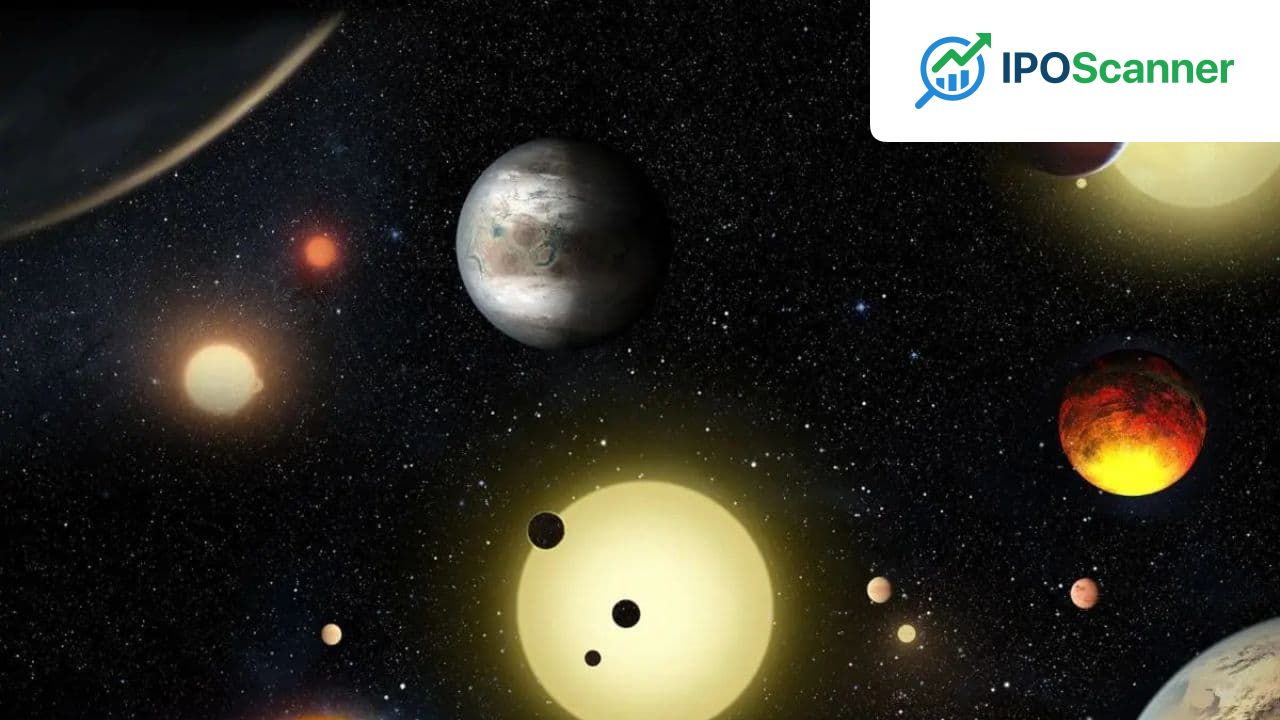
NASA Discovers Approximately 6,000 Distant Planets in Recent Astronomical Survey
NASA Unveils Most Detailed Map of the Night Sky to Date
NASA has released a comprehensive map of the night sky, showcasing nearly 6,000 planets beyond the Solar System discovered by its Transiting Exoplanet Survey Satellite, known as TESS. The map, which combines observations collected since the telescope began operations in 2018, provides one of the clearest pictures to date of how planets are spread across the galaxy.
The newly released mosaic was created using images from 96 sections of the sky scanned by TESS over eight years. The map includes hundreds of confirmed exoplanets marked in blue and thousands of possible planets shown in orange. The bright band cutting across the image is the Milky Way galaxy.
TESS has so far confirmed more than 800 exoplanets and identified thousands of additional candidates that are still being studied. Many of these planets orbit stars outside the Solar System and range from giant gas planets larger than Jupiter to rocky worlds that may resemble Earth. Scientists use TESS to track tiny drops in a star's brightness caused when a planet passes in front of it, a method that has become one of the most successful ways to detect distant planets.
Read also: Kumar Mangalam Birla to Address Concluding Function of RSS Training Camp
The release comes as NASA and international space agencies celebrate a major milestone in exoplanet research. The number of confirmed exoplanets discovered by scientists worldwide has crossed 6,000, a figure that was unimaginable three decades ago when the first planet outside the Solar System was confirmed in 1995.
| Mission | Confirmed Exoplanets | Additional Candidates |
|---|---|---|
| TESS | 800+ | Thousands |
| Global Research | 6,000+ |
Astronomers say the latest TESS map is important because it brings together years of observations into a single detailed view of the sky. It is also expected to help future missions such as the James Webb Space Telescope and the upcoming Nancy Grace Roman Space Telescope focus on promising targets for deeper study. Recent research using artificial intelligence has also uncovered more than 10,000 possible new planet candidates hidden in TESS data, raising hopes that the number of known worlds could grow sharply in the coming years.
NASA officials said every new discovery expands humanity's understanding of the universe and moves scientists closer to answering one of space science's biggest questions: whether life exists beyond Earth.
Read also: The Cost of Healthcare: Why Predictability in Medical Inflation is Crucial for Health Insurance
More in General
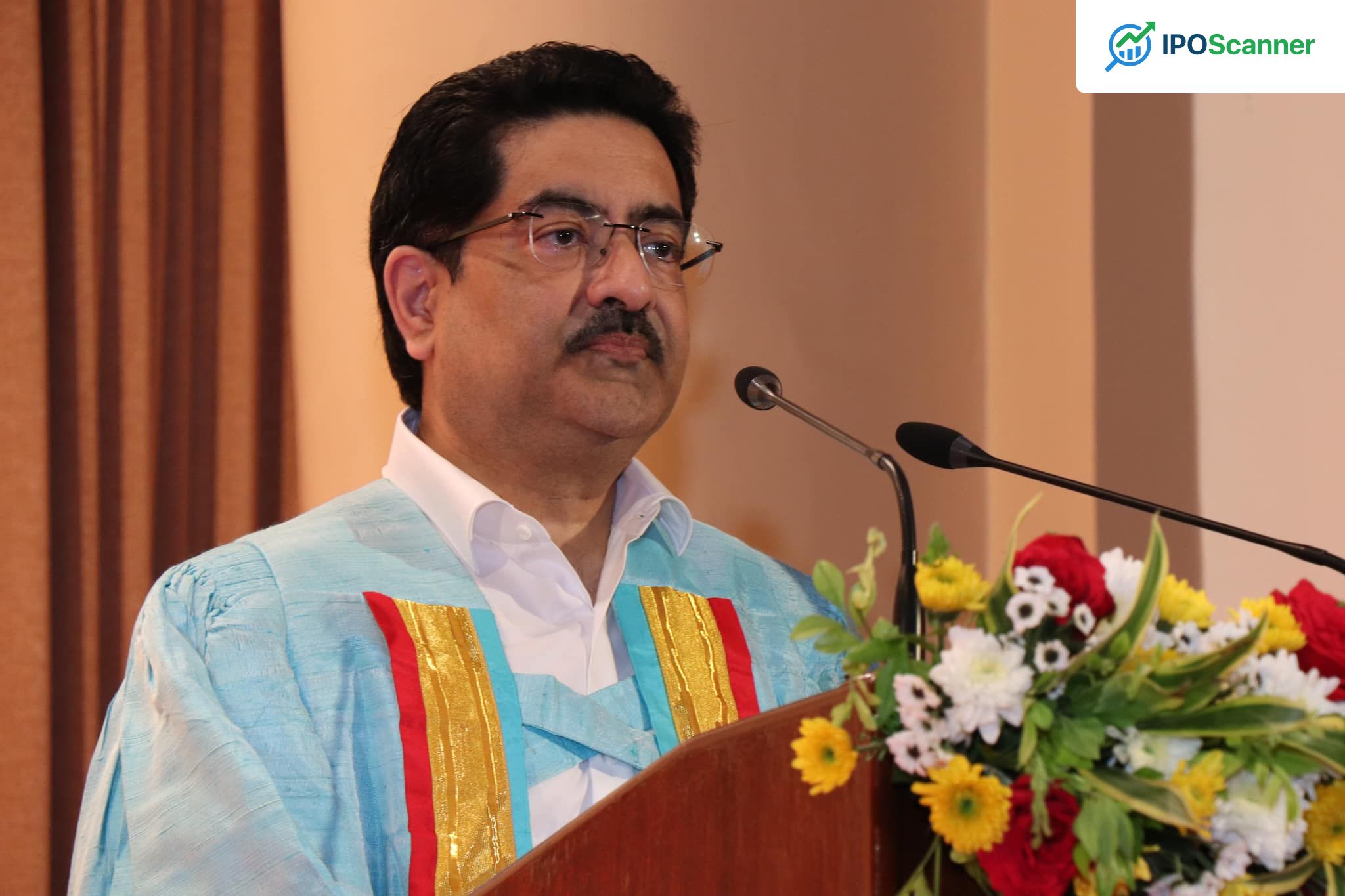
Kumar Mangalam Birla to Address Concluding Function of RSS Training Camp

The Cost of Healthcare: Why Predictability in Medical Inflation is Crucial for Health Insurance

Former Google Executive Warns AI Risks Stem from Human Misuse, Not Technological Limitations