
Monsoon Arrives, Paddy Sowing Drops 13%: Factors Behind Decline in India's Rice Crop
Southwest Monsoon Arrives, but India's Farmers Plant Less Rice Amid Delayed Rains
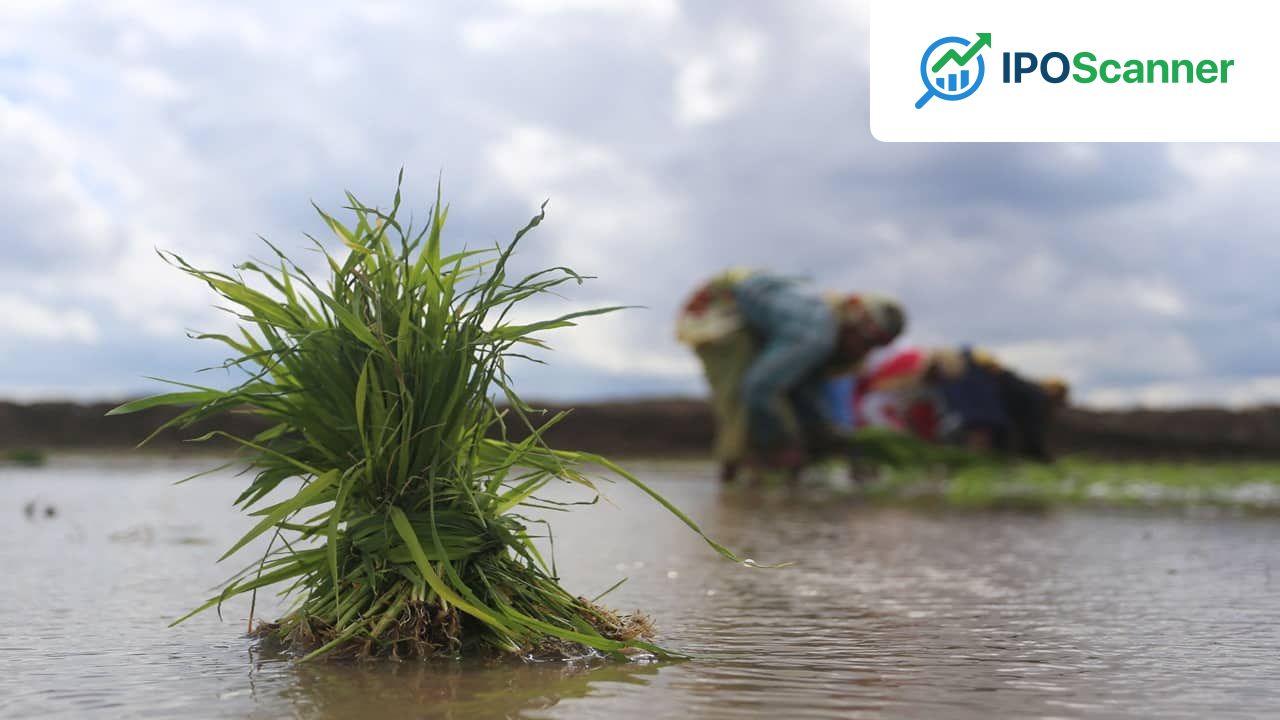
The southwest monsoon has finally arrived in India, bringing rain clouds across much of the country. However, despite the timely arrival of the monsoon, India's farmers are planting less rice than usual. Fresh data from the Agriculture Ministry paints a worrying picture, with paddy sowing falling 13% from a year ago to 60.24 lakh hectares as of July 6. Total kharif acreage has dropped 21% to 350.85 lakh hectares.
The slowdown extends beyond rice, with pulses, oilseeds, coarse cereals, and cotton all recording sharp declines. The monsoon arrived in Kerala three days later than usual this year, and its advance stalled for nearly two weeks, delaying rainfall across western and central India. This interruption proved costly, with June rainfall ending 39.8% below the long-period average, making it the fifth-driest June since records began in 1901.
The India Meteorological Department (IMD) has forecast below-normal rainfall in July, expecting precipitation to remain below 94% of the long-period average. The developing El Niño weather pattern, marked by unusually warm sea surface temperatures in the equatorial Pacific Ocean, has historically been associated with weaker monsoon rainfall in India. Previous El Niño years have seen droughts, lower farm output, and, at times, restrictions on exports of agricultural commodities.