Managing Teenagers' Allowances in the Digital Age: A Guide to Control and Responsibility
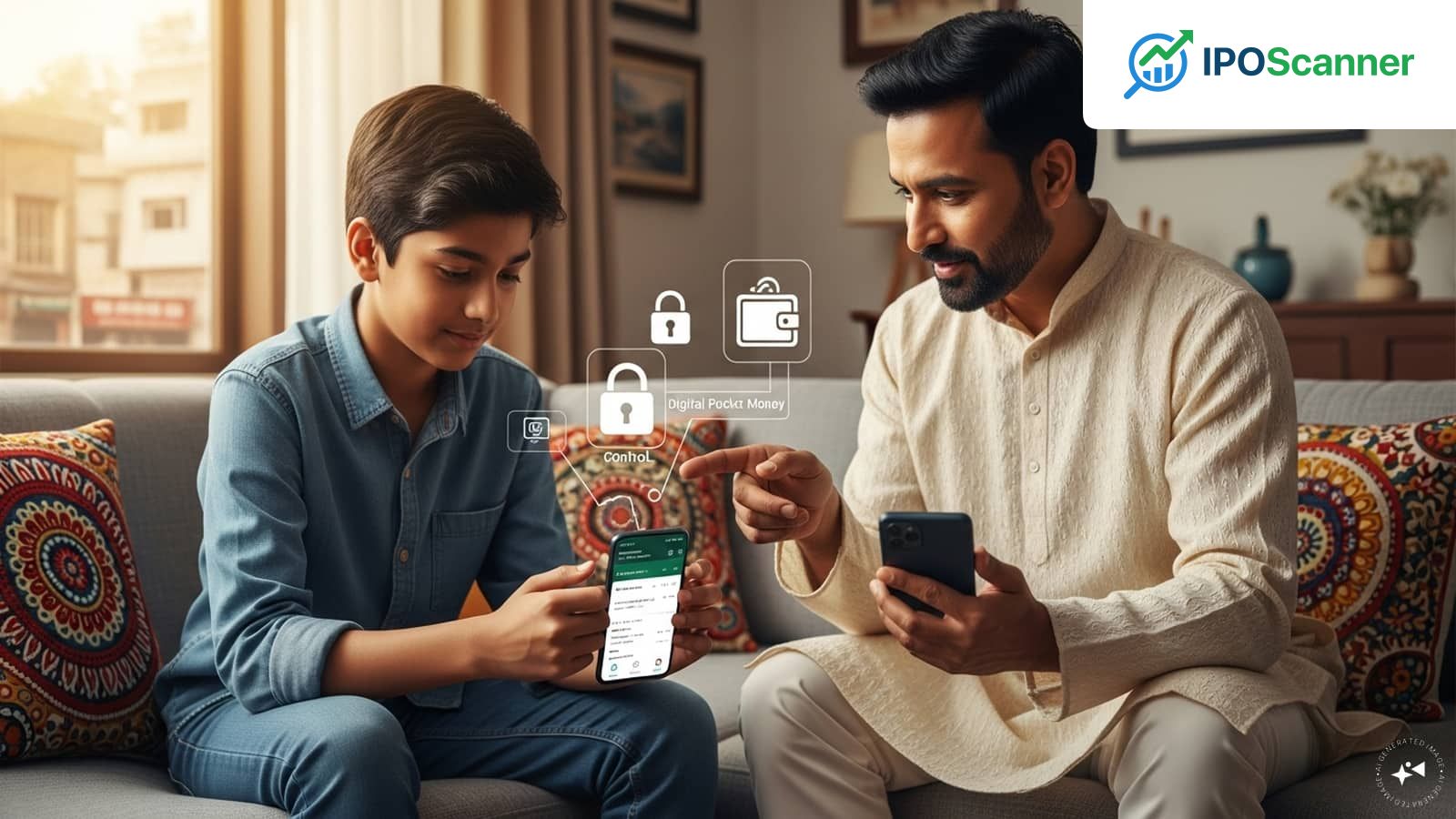
Digital Pocket Money Solutions for Teenagers: A Safe and Convenient Way to Teach Financial Responsibility
As teenagers become increasingly comfortable with smartphones and digital payments, parents are exploring safer ways to give pocket money without handing over full financial control. In response, digital pocket money solutions have emerged, allowing parents to set limits, track transactions in real time, and instantly manage access, helping teenagers gain financial independence in a controlled and secure manner.
Several digital options are available for giving pocket money to teenagers safely and conveniently. Prepaid teen debit cards or UPI-linked bank accounts are popular choices, while digital wallets, family banking apps, and supervised payment apps specifically designed for minors are also gaining traction. Mobile banking features, such as scheduled transfers and spending limits, offer an additional layer of control, ensuring expenses remain under control.
Experts Recommend UPI Circle for Digital Pocket Money
Fintech platforms, including BHIM and Google Pay, offer features that enable parents to set transaction caps, monthly spending limits, monitor payment history in real time, and instantly revoke access if needed. Recently, Paytm joined the list with its Pocket Money feature, allowing parents and family members to invite teenagers through UPI Circle by NPCI, set monthly spending limits, and track payments in real time.
Key Features of Paytm's Pocket Money
| Feature | Description |
|---|---|
| Transaction Cap | Individual payments capped at Rs 5,000 |
| Monthly Limit | Monthly limit of Rs 15,000 across the UPI network |
| Availability | Available on savings and current accounts |
| Restrictions | Restrictions on international payments and cash withdrawals |
Parents or a trusted family member can set up Pocket Money using UPI circle for their teenagers, with the ability to track payments in real time and instantly manage access.
Read also: Missing a Single EMI Payment Can Adversely Impact Credit Profile
Educating Teenagers about Digital Safety
Parents should educate teenagers about digital reputation and online safety, including online fraud, impersonation, fake links, phishing scams, gaming purchases, and oversharing financial information online. Discussing digital footprints and responsible online behaviour is equally important, as financial misuse, impulsive spending, and social media influence are increasingly interconnected.
Steps to Enable Digital Pocket Money Features
- Download or update the preferred UPI or payment app from the App Store or Play Store.
- Open the app and navigate to the family payments, pocket money, teen account, or UPI delegation section.
- Add the teenager’s mobile number, UPI ID, or scan their UPI QR code.
- Complete the required verification process, which may include identity or bank account verification.
- Link the parent’s primary bank account to authorise payments.
- Set monthly or daily spending limits, transaction caps, and other parental controls as required.
- Enable notifications or expense tracking features to monitor transactions in real time.
- Authorise the setup using the UPI PIN or app authentication process.
- The teenager must accept the invitation or activate the feature on their own device to start using digital payments.
More in General
Correcting Credit Score Errors: A Guide to Ensuring Accurate CIBIL Reports and Optimal Loan Eligibility

Missing a Single EMI Payment Can Adversely Impact Credit Profile

EPF Withdrawal Comes with Tax Implications: A Guide to Understanding the Consequences