India's Semiconductor and PCB Sector Faces Uncertainty Amid Global Helium Shortage Triggers by Iran-Israel Conflict
Global Semiconductor Industry Faces Critical Supply Risk
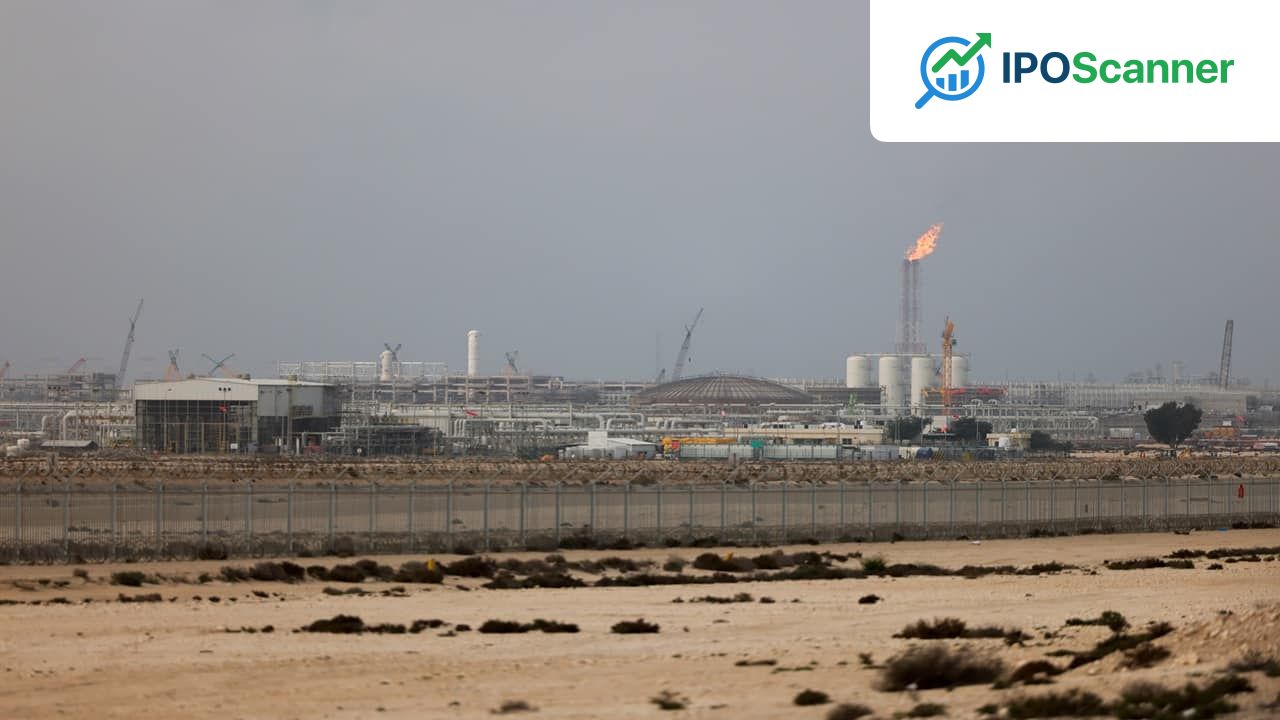
The Indian semiconductor chip and printed circuit board (PCB) industry is at risk of a critical supply disruption due to the March 19 strike on Qatar's Ras Laffan LNG hub, which has impacted the global supply of helium, a non-substitutable input for chip fabrication.
Helium, a critical input in semiconductor manufacturing, underpins the production of electric vehicles, smartphones, and other electronic devices. The ultra-high-purity helium required for chip fabrication cannot be substituted, making any disruption in supply a significant threat to production.
Supply Chain Vulnerability
Read also: RBI Must Adopt a Measured Hawkish Monetary Policy Stance
The global semiconductor industry is facing rising lead times due to helium and industrial gas constraints. While this has not triggered a chip shortage, it has significantly extended lead times. For Indian companies, the impact is two-fold: domestic facilities, including upcoming OSATs and PCB manufacturing units, could come under pressure, leading to supply constraints and higher gas costs, while firms reliant on imported SoCs and chips are already facing longer delivery timelines that are disrupting production schedules.
Impact on Indian Semiconductor Industry
Experts and industry executives note that India remains relatively insulated for now due to its early-stage semiconductor ecosystem, but warn that prolonged geopolitical tensions could deepen supply disruptions and eventually impact domestic manufacturing as capacity scales up. Lead times have increased, with some semiconductor chip deliveries delayed by up to two to three months.
Industry-Wide Challenge
Read also: LIC Maintains Significant Stake in Rajesh Exports, Foreign Institutional Investors Hold Nearly 14%
The situation is not unique to India; it's a global issue that could create a cost-push effect across semiconductor inputs. Helium, a critical input in semiconductor manufacturing, is a key concern, and any shortage will directly drive up costs, which will eventually reflect in semiconductor pricing.
Buffer Stock and Contingency Plans
Leading semiconductor foundries currently have sufficient helium and material inventories, limiting immediate production risks. However, if the conflict were to persist for a long time, the risk of production disruption will continue to rise. Suppliers are holding a maximum of 6 months of inventory, with contingency plans to source surplus helium from other applications or switch to U.S. supply if needed.
Price Impact
Prices have firmed up, similar to what we've seen in oil markets. The impact on the Indian semiconductor industry will be significant, and it's essential to monitor the situation closely to mitigate any potential risks.
Investor Takeaway
Investors should be cautious of potential supply chain disruptions in India's semiconductor and PCB sector.
More in Economy
RBI Must Adopt a Measured Hawkish Monetary Policy Stance

LIC Maintains Significant Stake in Rajesh Exports, Foreign Institutional Investors Hold Nearly 14%

Indian Rupee Holds Steady at 95.71 Against the US Dollar Ahead of RBI Monetary Policy Committee Decision