
India's Harish Rana Case Raises Questions on Active vs Passive Euthanasia and Its Distinction from Aruna Shanbaug's Legacy
Indian Supreme Court Permits Passive Euthanasia in Landmark Ruling
On March 2026, the Supreme Court of India delivered a landmark judgement in the case of Harish Rana, a 31-year-old man from Ghaziabad who has been in a permanent vegetative state for over 13 years.
Background
Harish Rana suffered catastrophic brain injuries in 2013 after falling from the fourth floor of a building, resulting in irreversible neurological damage and quadriplegia. Despite seeking treatment at multiple hospitals, doctors concluded that there was virtually no possibility of recovery. His ageing parents approached the courts requesting permission for passive euthanasia, arguing that continuing life-sustaining treatment only prolonged suffering without hope of improvement.
Read also: Kumar Mangalam Birla to Address Concluding Function of RSS Training Camp
Supreme Court Ruling
The Supreme Court permitted the withdrawal of life-sustaining treatment, directing that Harish Rana be admitted to the All India Institute of Medical Sciences where the process could be carried out in accordance with medical protocols. This decision marks a significant moment in the ongoing debate over end-of-life rights in India.
Euthanasia and Indian Law
Euthanasia refers to the intentional ending of a person's life to relieve suffering, typically when the individual has a terminal illness or an irreversible medical condition. In India, euthanasia is divided into two main categories: active euthanasia and passive euthanasia.
Read also: The Cost of Healthcare: Why Predictability in Medical Inflation is Crucial for Health Insurance
- Active Euthanasia: Involves deliberately causing a patient's death through direct action, which is illegal in India under the Indian Penal Code.
- Passive Euthanasia: Refers to withdrawing or withholding life-sustaining treatment, allowing the patient to die naturally. India recognises passive euthanasia under certain conditions, including:
- Aruna Shanbaug Judgment (2011): The Supreme Court first recognised the possibility of passive euthanasia in exceptional circumstances.
- Living Will Recognition (2018): The Supreme Court expanded the framework by recognising the right to die with dignity as part of Article 21 (right to life).
- Updated Procedural Guidelines (2023): Simplified the process but retained strict safeguards, including approval from multiple medical boards and confirmation that the patient has no realistic chance of recovery.
Key Differences between Harish Rana and Aruna Shanbaug Cases
- Circumstances of the Injury: Harish Rana sustained brain damage after a fall from a building in 2013, while Aruna Shanbaug was attacked and sexually assaulted by a ward boy in 1973.
- Outcome of the Legal Cases: The Aruna Shanbaug case was rejected, while the Harish Rana case resulted in the Supreme Court permitting passive euthanasia.
More in General
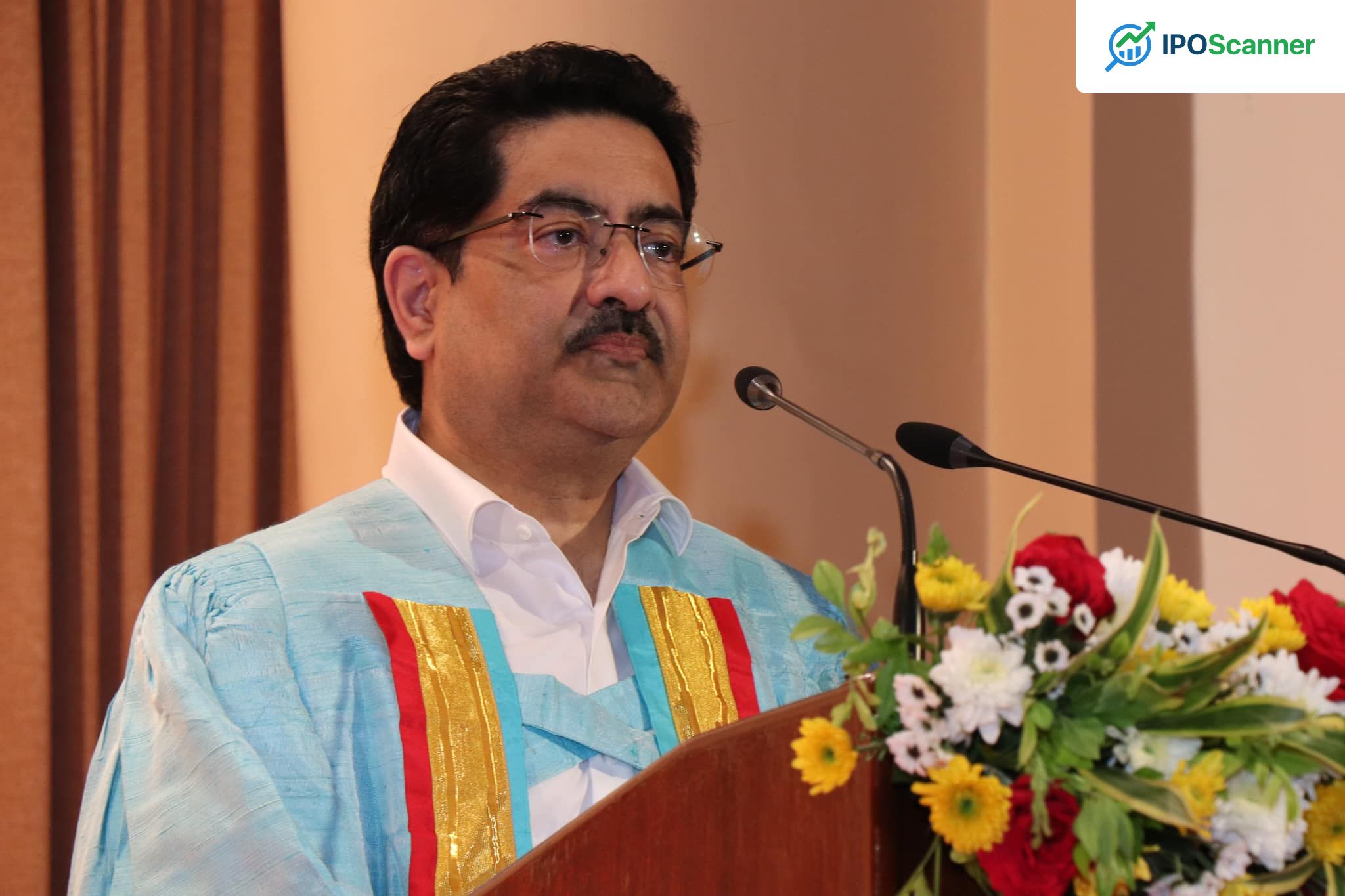
Kumar Mangalam Birla to Address Concluding Function of RSS Training Camp

The Cost of Healthcare: Why Predictability in Medical Inflation is Crucial for Health Insurance

Former Google Executive Warns AI Risks Stem from Human Misuse, Not Technological Limitations