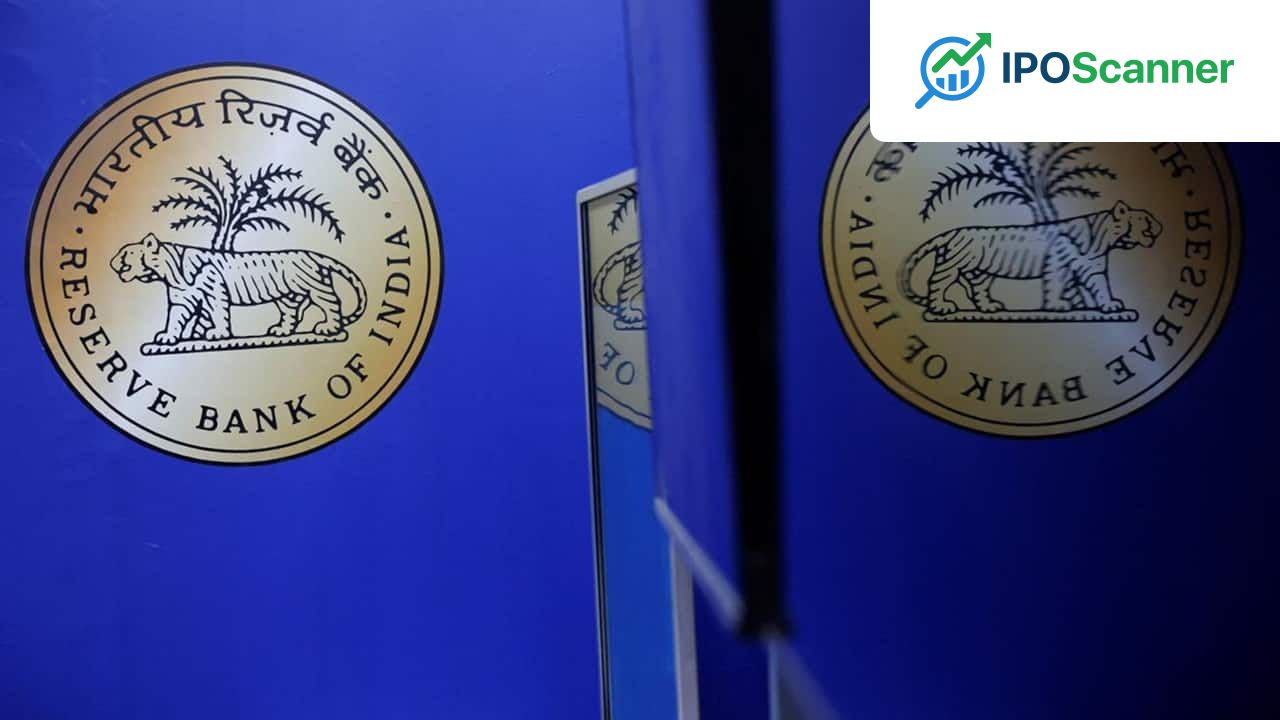
Indian Rupee Surges 50 Paise Amid Government Move to Waive Capital Gains Tax on Government Bonds for Foreign Institutional Investors.
Indian Rupee Rebounds Sharply Amid Government Tax Cuts and RBI Measures
The Indian rupee rebounded sharply on Friday, June 5, as the government announced a tax cut on bond investments by foreign institutional investors (FIIs) to attract overseas capital and stabilize the domestic unit. The rupee jumped to a day's high of 95.245 against the US dollar from its previous close of 95.74, recording a gain of 50 paise.
The rupee has been one of the worst-performing currencies this year, shedding 6.07% on a year-to-date basis, hurt by rising crude oil prices and record selling by foreign investors. The government's announcement is aimed at attracting overseas capital and stabilizing the domestic unit, which has been languishing near record low levels due to higher energy prices and equity market outflows amid the Middle East conflict.
The government has removed capital gains tax on investments in government securities made by FIIs and the Bank for International Settlements (BIS), effective from April 1. The tax exemption also covers interest income earned on these securities, subject to certain reporting requirements. Earlier, foreign investors were required to pay a 12.5% long-term capital gains tax on listed bonds and shares held for more than a year, along with a 20% withholding tax on interest earned from government bonds.
Read also: RBI Considers Introduction of Polymer Currency Notes
| Tax Rates | Previous | New |
|---|---|---|
| Long-term capital gains tax | 12.5% | 0% |
| Withholding tax on interest | 20% | 0% |
The Reserve Bank of India (RBI) has also announced a series of steps aimed at boosting foreign investment and strengthening India's external financing position amid global uncertainty and elevated oil prices. The RBI expanded the list of government securities eligible under the Fully Accessible Route (FAR) by including all new issuances of 15-year, 30-year, and 40-year government bonds. It also relaxed investment restrictions for FPIs under the General Route by removing limits on short-term investments, concentration caps, and individual security limits.
The combined impact of the RBI's measures and the government's tax exemptions is expected to make Indian government bonds more attractive to foreign investors, helping increase overseas participation in the debt market and potentially lowering the government's borrowing costs.
Investor Takeaway
The Indian rupee may see a short-term rebound due to the government's tax cut on bond investments by foreign institutional investors.
More in Economy
RBI Considers Introduction of Polymer Currency Notes

Study Finds Earth's Building Blocks Originated from Inner Solar System

Blackstone Backed AirTrunk Aims to Invest $30 Billion in India Data Centres by 2030