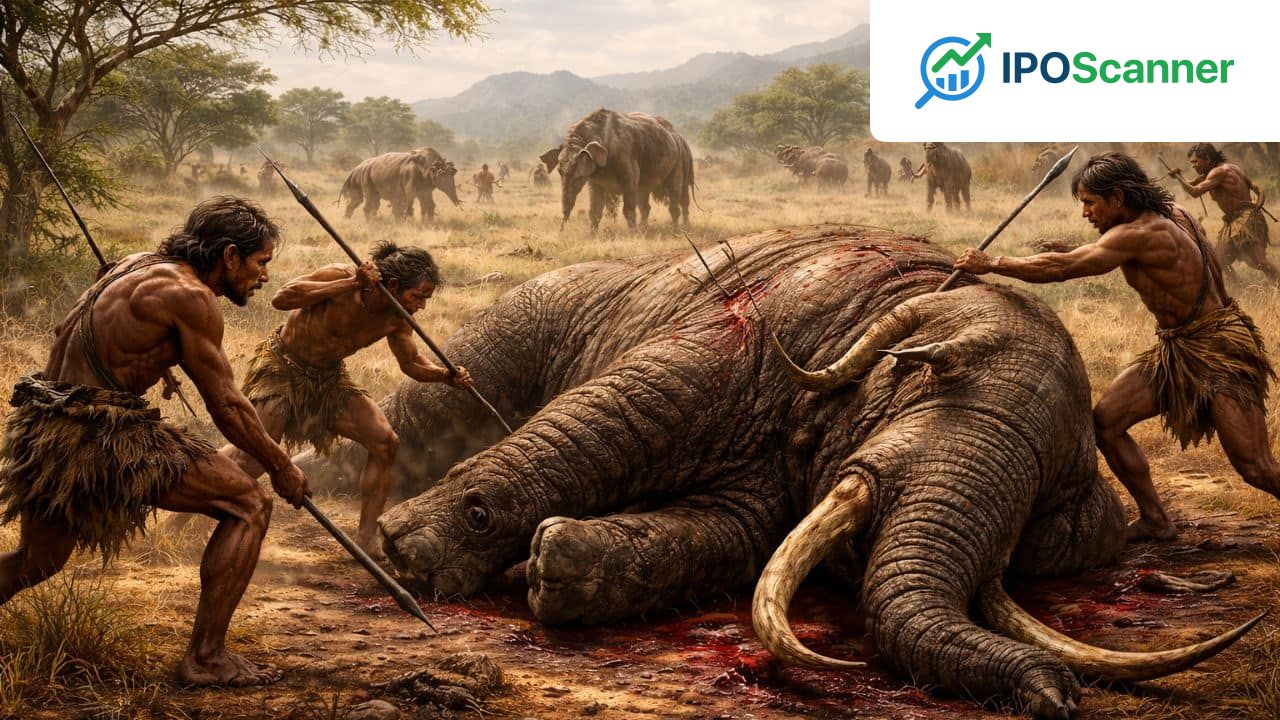
Humans Consumed Elephants as a Food Source Approximately 1.8 Million Years Ago, Researchers Discover
Early Human Capabilities Rewritten in Light of Groundbreaking Study
Researchers studying ancient sites in Tanzania have made a significant discovery that is changing the way we think about early humans and their capabilities. Evidence suggests that humans were butchering and eating elephants as far back as 1.8 million years ago, a time frame that is significantly earlier than earlier estimates.
The discovery was made at Olduvai Gorge, a site often described as one of the most important windows into early human life. Researchers have been studying this region for decades to understand how our ancestors lived, and this finding adds a new layer of complexity to that picture. The marks on elephant bones found at the site were deliberate and looked like cuts made with tools, suggesting that early humans were actually butchering these animals, not just stumbling upon leftovers.
The fact that early humans were dealing with megafauna, such as elephants, nearly 1.8 million years ago suggests that they were more capable than previously assumed. Dealing with such large animals requires planning, coordination, and a level of skill, which implies that early humans were more sophisticated in their abilities than we have typically thought.
Read also: Kumar Mangalam Birla to Address Concluding Function of RSS Training Camp
Processing and Hunting The study raises questions about whether early humans were hunting these animals or taking advantage of elephants that had already died. While the study does not provide a clear answer, processing such a massive animal would have required a fair amount of knowledge and effort, regardless of the circumstances.
One of the benefits of accessing meat from such a big animal is the potential for a significant source of nutrients and energy. This could have contributed to the growth and development of the brain throughout time.
Implications for the Timeline This discovery causes a slight change in the timeline, implying that much earlier than previously believed, early people were investigating, adjusting, and understanding their surroundings in more sophisticated ways. They were not merely surviving; long before we thought they could, they were experimenting, learning, and pushing their boundaries.
Comparison of Estimated Interaction with Large Animals
| Time Frame | Estimated Interaction with Large Animals |
|---|---|
| 1.5 million years ago | Earlier estimates placed this kind of interaction at around 1.5 million years ago |
| 1.8 million years ago | New evidence suggests that humans were butchering and eating elephants as far back as 1.8 million years ago |
Read also: The Cost of Healthcare: Why Predictability in Medical Inflation is Crucial for Health Insurance
More in General

Kumar Mangalam Birla to Address Concluding Function of RSS Training Camp

The Cost of Healthcare: Why Predictability in Medical Inflation is Crucial for Health Insurance

Former Google Executive Warns AI Risks Stem from Human Misuse, Not Technological Limitations