Harsh Goenka's Strait of Hormuz Dilemma Sparks Online Debate
Global Energy Market Alert: Strait of Hormuz Disruption Scenarios
Overview
A recent social media post by industrialist Harsh Goenka has sparked a conversation about the implications of disrupting the Strait of Hormuz, a critical artery in the global energy system. The Strait, which connects Iran and Oman, handles nearly 20% of the world's oil trade.
The Scenario
Read also: Kumar Mangalam Birla to Address Concluding Function of RSS Training Camp
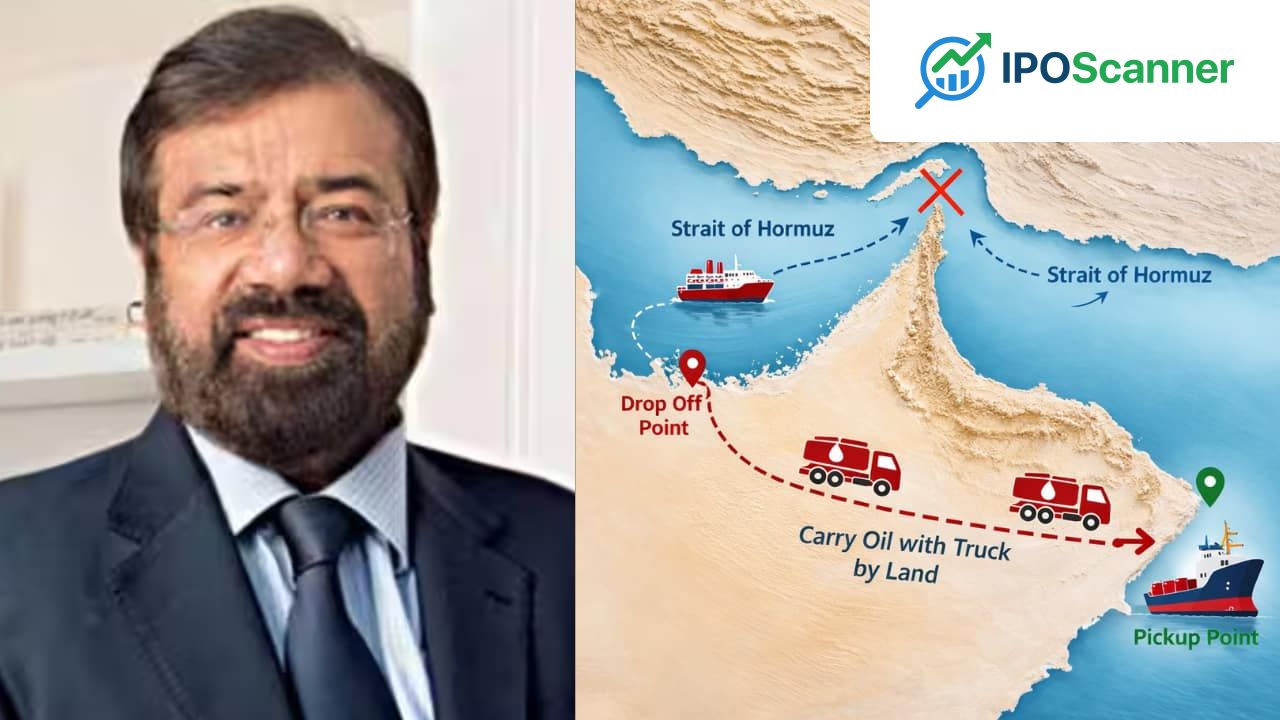
Goenka proposed a workaround in which ships unload crude oil at a port before the Strait, and trucks transport the oil across land to another port on the other side, where it would be loaded onto another ship. This scenario has raised concerns about the cost and coordination required to execute such a plan.
Global Oil Trade Implications
A single Very Large Crude Carrier (VLCC) can transport approximately 2 million barrels of oil. Moving this amount using trucks would require thousands of vehicles operating continuously. Even existing pipelines, such as those in Saudi Arabia and the United Arab Emirates, can only handle a portion of the oil that normally flows through the Strait.
Conclusion
Read also: The Cost of Healthcare: Why Predictability in Medical Inflation is Crucial for Health Insurance
The Strait of Hormuz remains a critical chokepoint in the global energy system. Disruptions to this route have significant implications for energy markets. While Goenka's graphic may not be a detailed plan, it has sparked a conversation about the importance of this narrow passage of water and the need for contingency planning in the event of a disruption.
Investor Takeaway
Consider the potential impact of disruptions to global energy supply chains on oil prices and market volatility.
More in General

Kumar Mangalam Birla to Address Concluding Function of RSS Training Camp

The Cost of Healthcare: Why Predictability in Medical Inflation is Crucial for Health Insurance

Former Google Executive Warns AI Risks Stem from Human Misuse, Not Technological Limitations