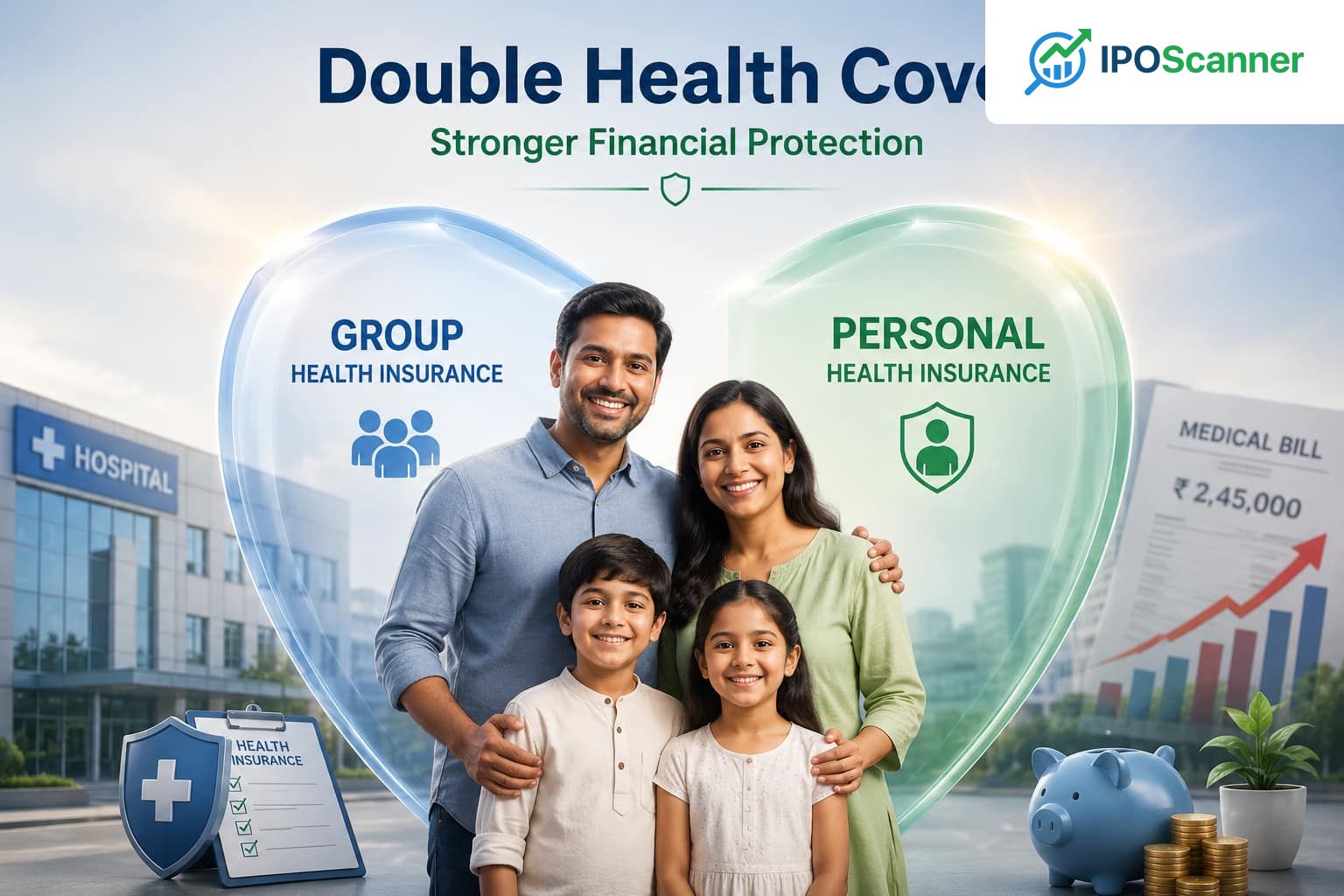
Group Health Insurance vs Personal Health Insurance: Maximizing Financial Protection through Comprehensive Coverage
Understanding Group and Personal Health Insurance
When it comes to protecting ourselves from unexpected medical expenses, many of us opt for group health insurance, thinking it will be enough to cover us. However, the reality is that group health insurance may not fully protect us, and knowing the differences between this policy and personal health insurance can help us make informed decisions about our healthcare coverage.
Group Health Insurance: An Employer-Provided Benefit
Group health insurance is a benefit included in an employee's package, provided by their employer. This type of insurance covers the insured employee under a policy the employer buys, and no medical tests are required to enroll. One of the advantages of group health insurance is that it covers pre-existing diseases and the premiums are paid by the employer, so the employee enjoys the benefit at no cost. However, the coverage limits will be set by employers and may not be adequate to cover major medical costs.
Limitations of Group Health Insurance
Group health insurance has several limitations. For instance, the coverage ends when the employee changes their job position or quits the same organization. Additionally, the sum insured under group coverage may not increase with rising healthcare costs, and the terms and conditions of coverage may vary from one period to another. Coverage under the policy is also not under the employee's control and ceases upon their retirement, making it a limitation for ensuring long-term health protection.
Personal Health Insurance: Independent and Versatile
Personal health insurance, on the other hand, is independent of employment or occupation and belongs to the individual. Under a personal health insurance plan, an individual can determine the coverage amount and other aspects, and the coverage can be maintained throughout one's lifetime. This makes personal health insurance an essential aspect of financial planning.
Read also: Missing a Single EMI Payment Can Adversely Impact Credit Profile
Why Both Options Are Useful
Both group and personal health insurance offer a level of protection. One could use the group plan for claims, while the personal plan would serve as a fallback. This would reduce the risk of using up one's coverage during a major illness and ensure that one is insured even after changing employers. Additionally, one's personal plan can also evolve with medical inflation.
Strategies for Proper Planning
When purchasing a health insurance plan, an individual should consider their health needs, family size, and the city in which they live. Using group insurance to meet one's basic requirements and opting for a personal plan would be a good choice.
Comparison of Group and Personal Health Insurance
| Feature | Group Health Insurance | Personal Health Insurance |
|---|---|---|
| Dependence on Employment | Yes | No |
| Coverage Limits | Set by employer | Determined by individual |
| Premium Payment | Employer pays | Individual pays |
| Coverage Continuity | May not continue after job change or retirement | Continues throughout lifetime |
| Flexibility | Limited | High |
Frequently Asked Questions
- Would group insurance alone be sufficient?
No, group insurance alone would not be adequate due to restricted coverage and dependence on employment status.
- Could I retain my group insurance after leaving my job?
In most cases, this would not be possible once the employment period ends.
- Why do I need to purchase a personal plan when I have group cover?
This would give an individual continuous coverage.
More in General
Correcting Credit Score Errors: A Guide to Ensuring Accurate CIBIL Reports and Optimal Loan Eligibility

Missing a Single EMI Payment Can Adversely Impact Credit Profile

EPF Withdrawal Comes with Tax Implications: A Guide to Understanding the Consequences