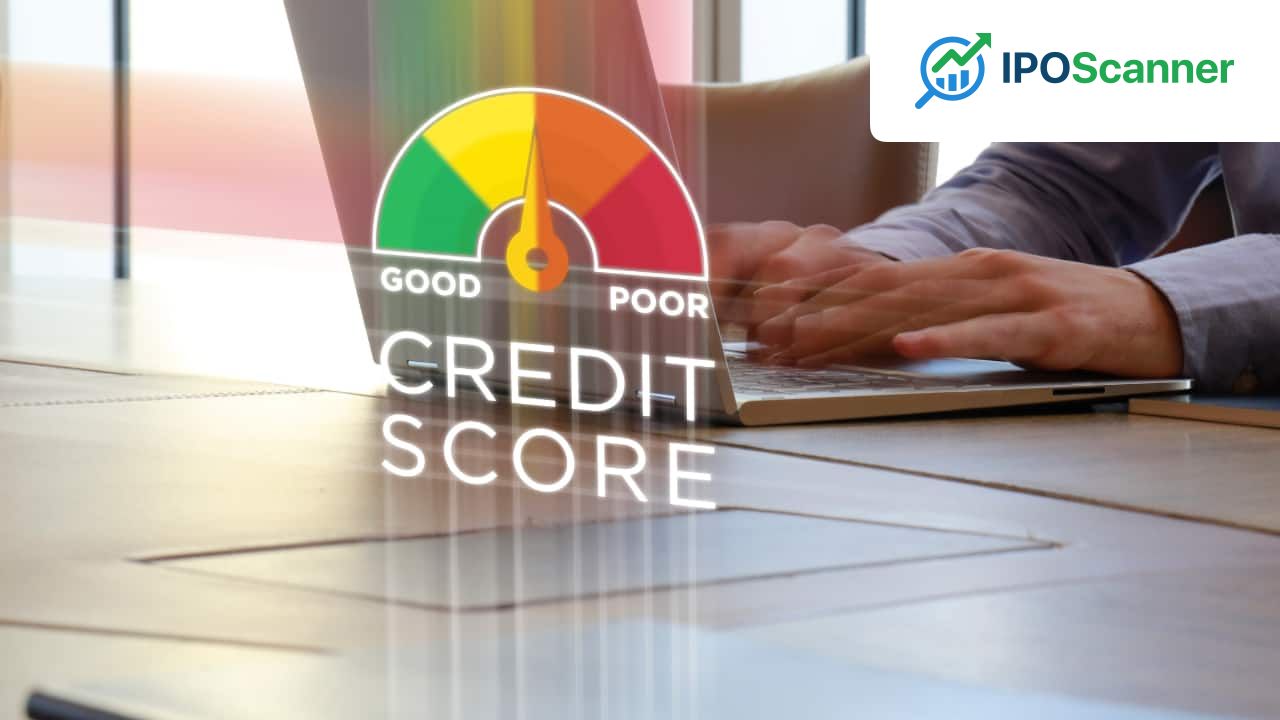
Credit Scores May Be Plummeting Due to Overlooked Factors
The Hidden Dangers of Everyday Credit Behaviours
Many people only start paying attention to their credit scores when they apply for a large loan or credit card, only to be surprised by worse terms than expected. However, credit scores are not just shaped by major financial mistakes like defaults or bankruptcy. In reality, smaller everyday behaviours can have a significant impact on credit health over time.
For example, paying credit card bills after the due date, even by a few days, can start building an unhealthy repayment pattern. While a single accidental delay may not immediately destroy a score, frequent late payments can become visible to lenders and increase the risk of penalties, interest charges, and negative repayment history.
Another common mistake is using too much of your credit limit regularly. Many people believe that credit scores improve simply by spending more through credit cards, but this is not the case. Banks also look at credit utilisation, or how much of your available credit limit you are using consistently. If you regularly use 70-90 percent of your card limit every month, lenders may interpret this as financial stress, even if bills are technically being paid on time.
Applying for too many loans or credit cards together can also have a negative impact on credit scores. Every time you apply for a loan or credit card, lenders may perform a hard inquiry on your credit profile, which can signal desperation for credit if several applications get rejected. This often happens when people aggressively apply across multiple apps or banks hoping to get approved quickly.
Closing old credit cards unnecessarily can also hurt credit scores. Many people proudly close old credit cards, assuming fewer cards will automatically improve financial discipline. However, older cards can actually help credit scores in some situations because they contribute to longer credit history and larger available credit limits. Closing them suddenly can reduce overall available credit and increase utilisation ratios on remaining cards.
Ignoring small EMIs or BNPL obligations can also affect credit history over time. Buy Now Pay Later services and zero-cost EMIs often feel informal because the amounts involved are small, but many of these products still get reported to credit bureaus. Missing even smaller repayments repeatedly can start affecting credit history over time.
Finally, becoming a guarantor without thinking carefully can also have a negative impact on credit scores. People often agree to become guarantors for relatives or friends casually without fully understanding the risk involved. If the primary borrower delays repayments or defaults later, the guarantor's credit profile can also get affected.
Read also: Missing a Single EMI Payment Can Adversely Impact Credit Profile
In conclusion, credit scores are really about patterns, not one isolated mistake. Most lenders are not expecting perfect financial behaviour forever. What they usually look for is consistency. Someone who occasionally makes a small mistake but otherwise repays responsibly may still maintain a healthy profile. Problems usually build when unhealthy habits repeat regularly over long periods.
More in General
Correcting Credit Score Errors: A Guide to Ensuring Accurate CIBIL Reports and Optimal Loan Eligibility

Missing a Single EMI Payment Can Adversely Impact Credit Profile
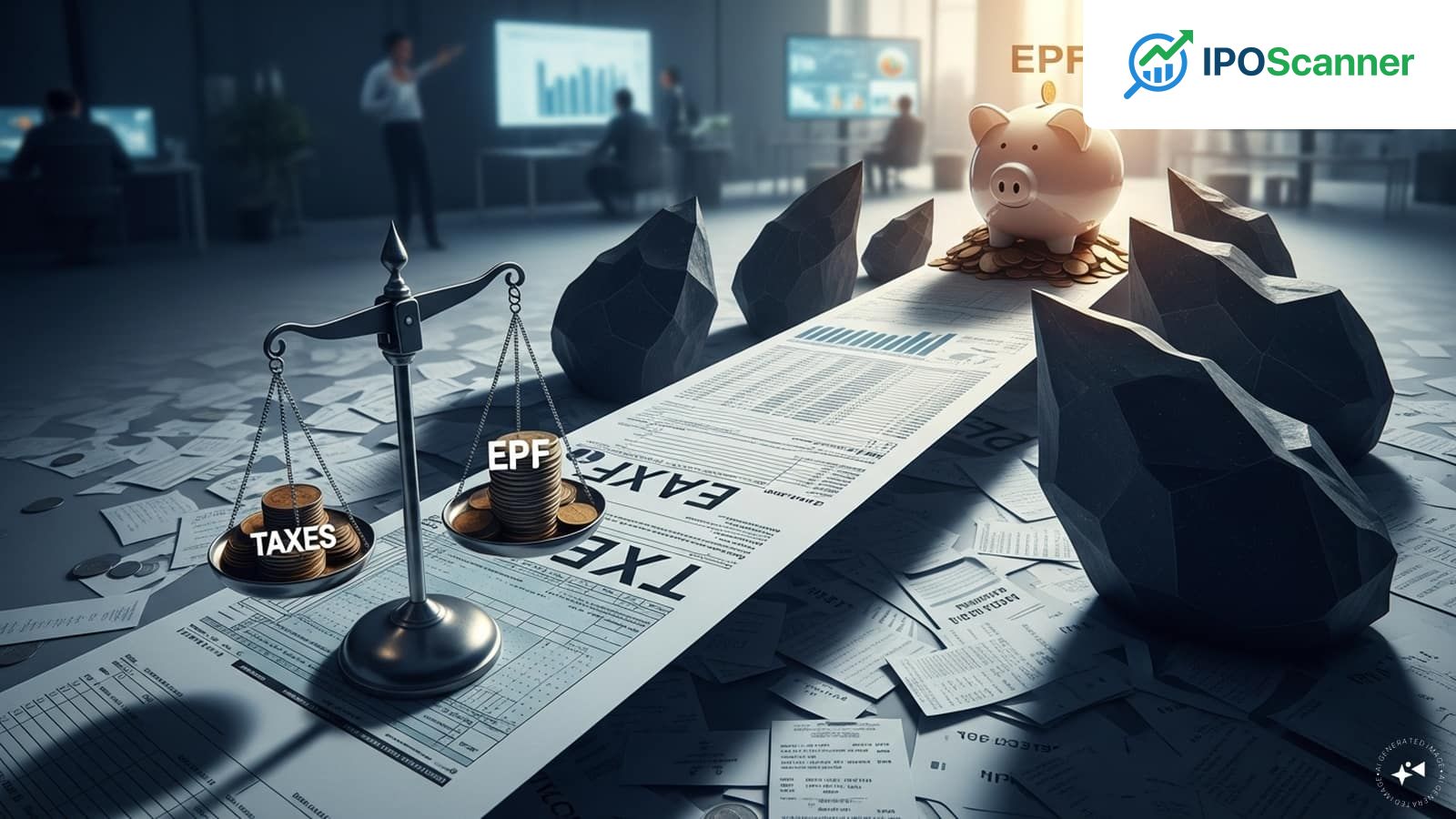
EPF Withdrawal Comes with Tax Implications: A Guide to Understanding the Consequences