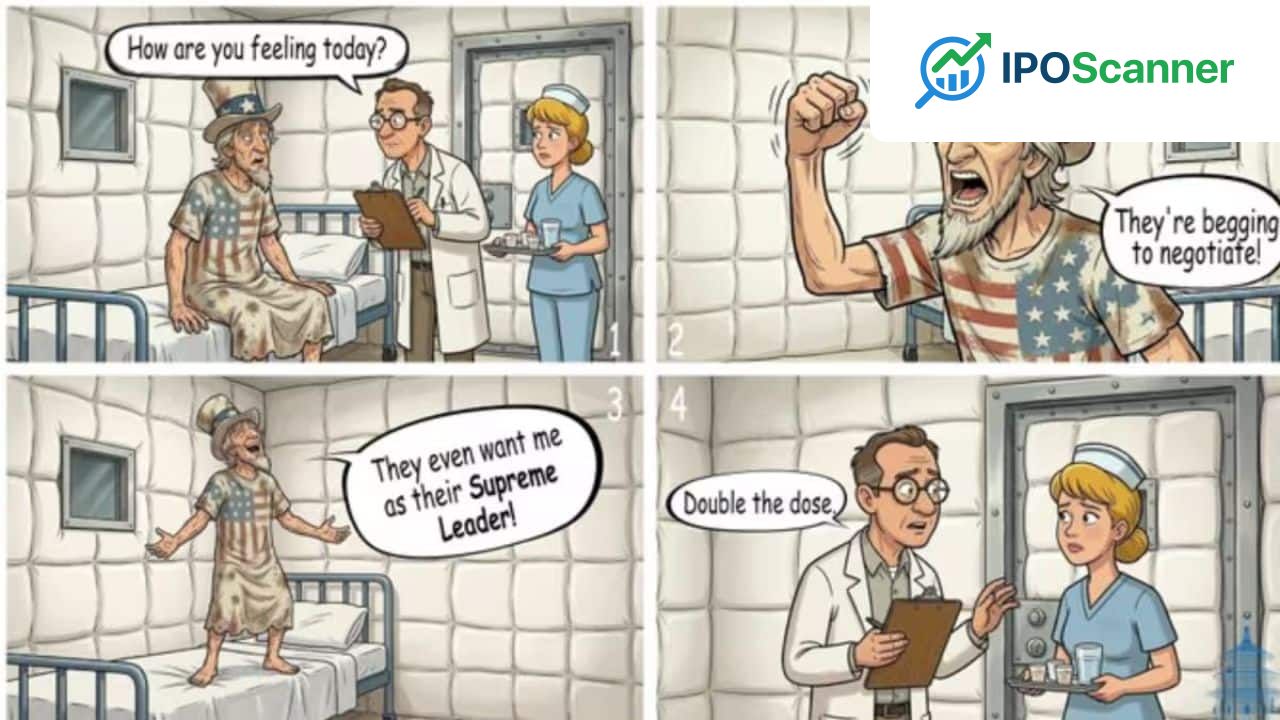
Chinese Media Utilizes Cartoon Commentary to Criticize US Position on Iran Conflict
China Steps Up Messaging on Iran Conflict with Visual Satire
Chinese state media has intensified its messaging on the Iran conflict, leveraging cartoons and visual satire to directly challenge the United States' claims of progress. Outlets linked to Xinhua News Agency have been sharing a series of images that question the US narrative in a more pointed and visual way.
These visual aids have shifted away from traditional reporting, instead employing satire and symbolism to suggest that the situation on the ground may not align with official messaging. A widely shared image shows a children's playground split into two contrasting halves, with one side appearing normal and untouched, while the other is shown damaged and burning after missile strikes. This visual representation highlights what Chinese media portrays as a gap between how the conflict is being described and what it looks like in reality.
Another cartoon takes a more direct approach, depicting the United States as a patient claiming things are under control, while a doctor, unconvinced, tells a nurse to "double the dose." This portrayal suggests that the idea of success is being overstated. This kind of messaging is not new, especially when tensions are high, and state-backed media often seeks to shape how people understand a situation.
Read also: 60 Minutes' Future Under Scrutiny Amid CBS News Turmoil
Using sharp visuals and satire makes the message easier to grasp and more likely to spread online. This approach also points to a larger battle playing out alongside the conflict – a parallel struggle over how the story is told. Different sides are trying to influence how people around the world see what's happening, making it not just about the facts, but also about how those facts are framed.
The situation can come across very differently depending on who is telling it and what angle they're taking. In this sense, these visuals are not just about criticizing the US, but part of a larger effort to shape global perception at a time when opinions on the conflict are already quite divided.
More in News

60 Minutes' Future Under Scrutiny Amid CBS News Turmoil

Uber Driver Allegedly Assaults Passenger in Mumbai Over Unpaid Fare Dispute
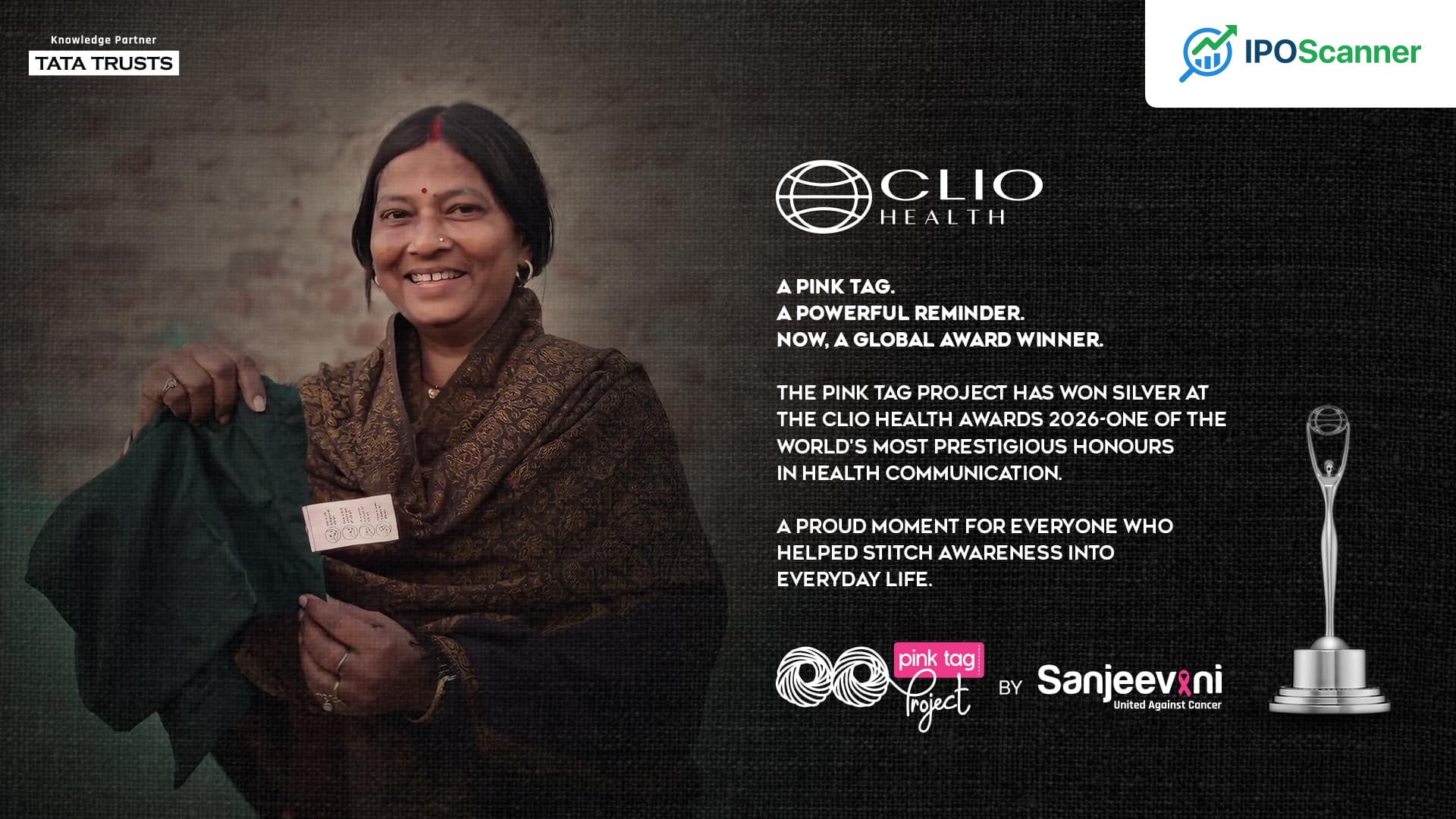
Sanjeevani-United Against Cancer Takes Silver at 2026 Clio Health Awards for 'The Pink Tag Project' Initiative