Bankman-Fried's Mother Ordered Not to Contact Court on Son's Behalf
FTX Co-Founder Sam Bankman-Fried Faces New Setback in Bid for New Trial
US District Judge Lewis Kaplan has rejected an attempt by Barbara Fried, the mother of Sam Bankman-Fried, to act on his behalf in his bid for a new trial. On Monday, the judge made it clear that he will not consider letters or phone messages from Barbara Fried, citing her lack of standing to file papers or seek relief in the case.
Barbara Fried, a retired law professor from Stanford University, had reached out to the court to request additional time for her son to file papers in response to the government's arguments. However, the judge stated that he will not accept telephone calls from litigants or their families, including Barbara Fried. The court received a call from Barbara Fried, or someone identifying themselves as her, but the judge dismissed it.
Sam Bankman-Fried, 34, is serving a 25-year prison sentence in a federal prison near Los Angeles after his conviction in 2023 on multiple criminal counts connected to the collapse of his cryptocurrency exchange, FTX, in 2022. The conviction is on appeal, and Bankman-Fried filed a motion last month on his own, claiming there's new evidence in the case and asking for a new trial.
Read also: Kumar Mangalam Birla to Address Concluding Function of RSS Training Camp
Key Dates:
- 2022: FTX collapses
- 2023: Sam Bankman-Fried is convicted on multiple criminal counts
- 2022: Barbara Fried retires from Stanford University
- March 23: Deadline for Bankman-Fried or his lawyers to seek additional time, if desired
- April 1: Original deadline for Bankman-Fried to reply to the government's arguments, now extended to March 23
Investor Takeaway
Sam Bankman-Fried's mother is restricted from contacting the court on his behalf.
More in General
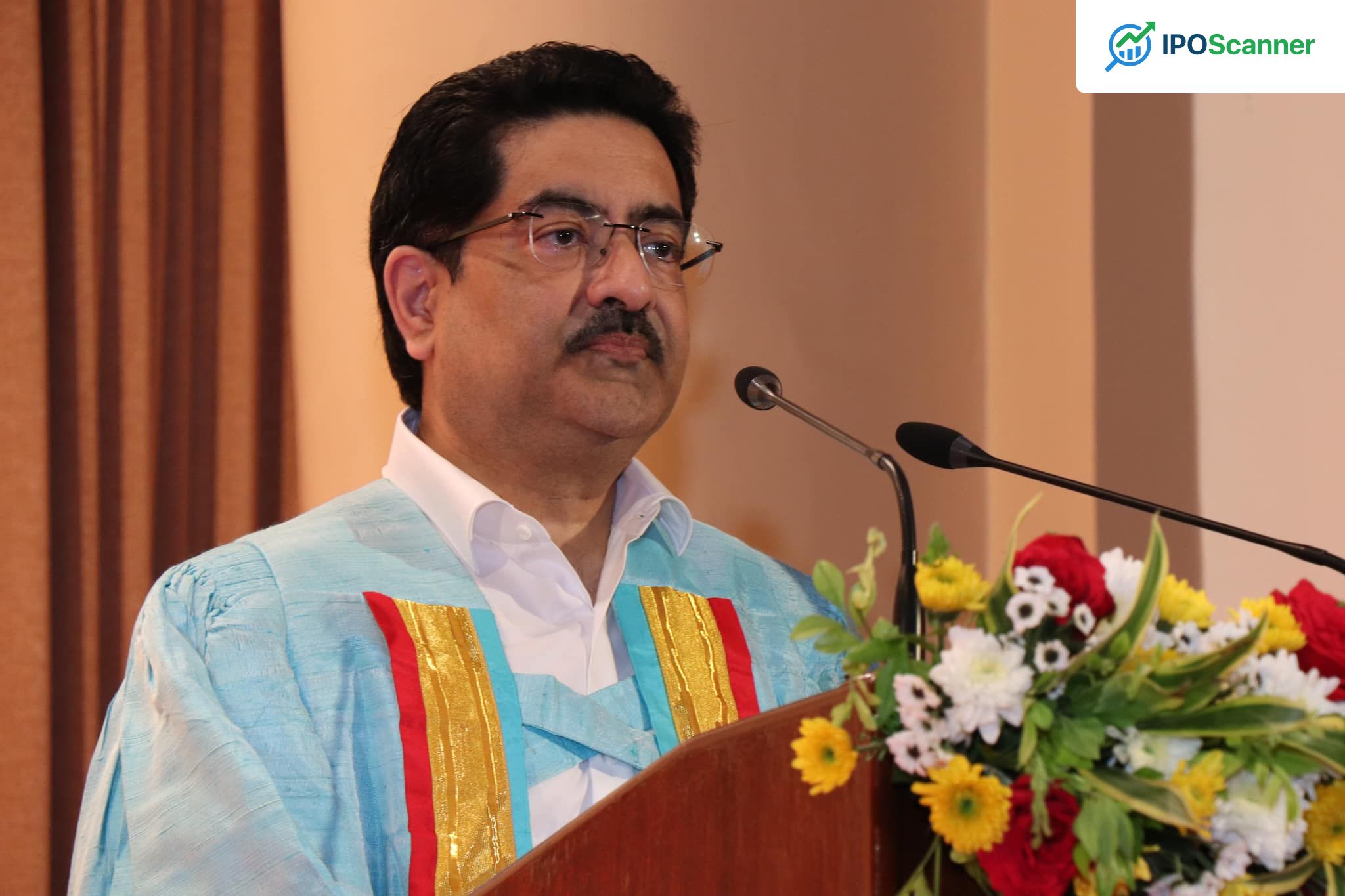
Kumar Mangalam Birla to Address Concluding Function of RSS Training Camp

The Cost of Healthcare: Why Predictability in Medical Inflation is Crucial for Health Insurance

Former Google Executive Warns AI Risks Stem from Human Misuse, Not Technological Limitations