Zaveri Bazaar's Gold Courier System Thrives Without Digital Infrastructure
India's Gold Trade Relies Heavily on Ancient Courier Network
Zaveri Bazaar, a bustling marketplace in south Mumbai, is one of India's primary centers for gold, bullion, and diamond trade. According to estimates cited by Rediff, the market accounts for more than 60 percent of India's gold trade, a figure widely repeated but difficult to verify independently. The trade in gold and precious stones moves through a centuries-old courier network, known as the angadia system, which operates largely on reputation rather than written contracts.
The angadia system is a private courier network used by jewellers, bullion dealers, and diamond merchants to move cash, gold, and stones between trading centers such as Mumbai and Surat. The system originated among trading communities in Gujarat and is operated mainly by people from the Gujarati, Marwari, and Malbari communities. Traders frequently use the same angadia families across generations, and couriers carry consignments physically, by road or train, sometimes under hired security.
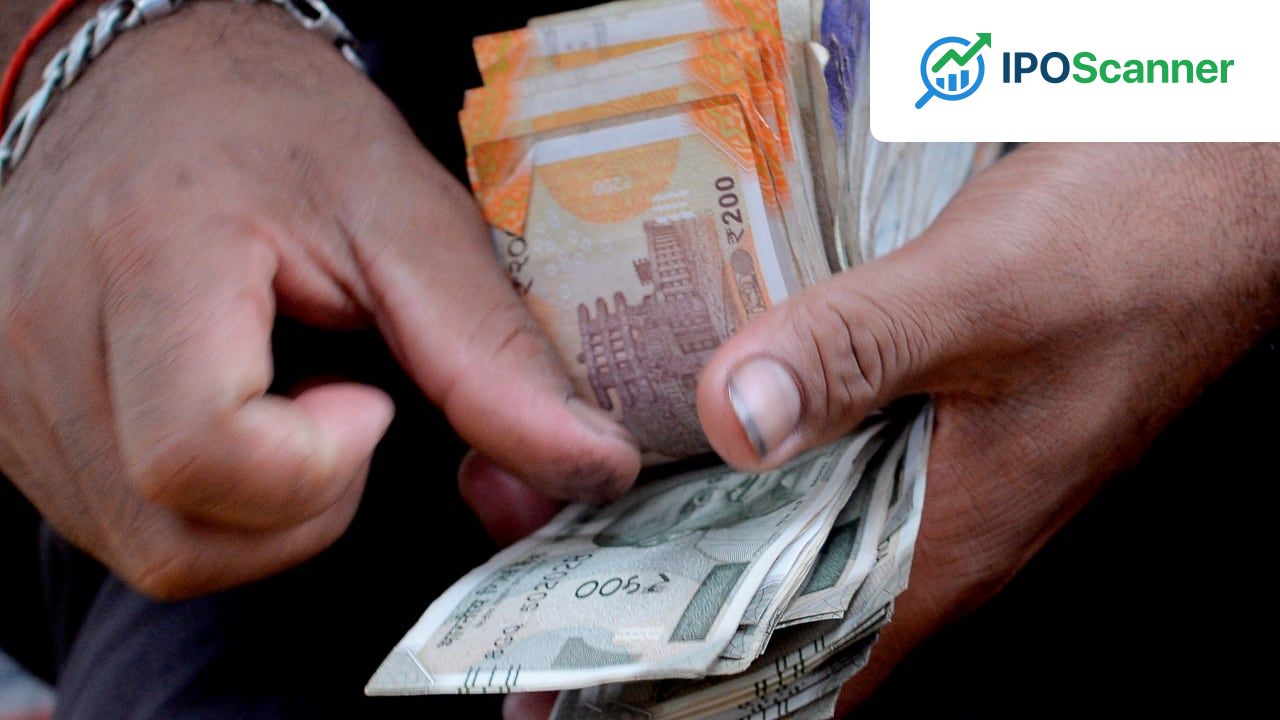
To verify the authenticity of a consignment, the sender and recipient agree on a code, typically the serial number of a Rs 10 or Rs 100 note. The sender keeps the note and passes its serial number to the angadia, who relays it to the delivery end. The parcel is handed over only once the number matches, and the note bearing that serial is taken as proof of delivery. This low-tech method requires no paperwork, no bank account, and no digital trail.
Read also: India Considers Changes to Bilateral Investment Treaties to Enhance Investor Appeal
The angadia system is often confused with hawala, an informal value-transfer system in which money changes hands without the physical movement of cash, frequently across borders. However, the two are distinct, and the angadia network operates as a courier business, with firms that say they pay applicable taxes. Hawala, on the other hand, is illegal in India under foreign-exchange law.
Comparison of Angadia and Hawala
| Angadia | Hawala | |
|---|---|---|
| Physical Movement of Cash | Yes | No |
| Operates with Written Contracts | No | No |
| Operates with Bank Accounts | No | No |
| Operates with Digital Trail | No | No |
| Operates with Taxes | Yes | No |
The angadia network has endured due to its cost-effectiveness and speed. By figures reported in the Indian press, around 200 angadias operate in Mumbai, with a comparable number across Ahmedabad, Rajkot, Surat, and Baroda. Charges are nominal, about Rs 100 for a Rs 1 lakh transfer, and consignments are typically delivered in under 24 hours.
Read also: Reserve Bank of India Maintains Interest Rate, Implications for Fixed Deposit Investments
Despite the rise of formal banking and digital systems, the market's working culture rests heavily on personal credibility rather than formal contracts alone. Firms often maintain physical records in parallel with formal accounting, and traders keep gold and stones close to the market in private vaults and lockers rather than relying solely on bank custody.
Some of the market's best-known names predate the formal banking system entirely. Tribhovandas Bhimji Zaveri (TBZ), among India's oldest jewellery houses, was established in 1864 and grew out of the same family-run bullion trade. Several other firms in the market trace their lineage across generations, with the family name itself functioning as a form of credit.
However, the model's reliance on cash and physical movement also keeps it on the enforcement radar. In February 2026, the Directorate of Revenue Intelligence (DRI) seized 5.8 kg of smuggled gold worth Rs 9.22 crore, and in November 2025, the DRI seized 11.88 kg of gold worth Rs 15 crore and arrested 11 people after raids on melting and processing units at Kalbadevi and Mazgaon.
More in Economy
India Considers Changes to Bilateral Investment Treaties to Enhance Investor Appeal

Reserve Bank of India Maintains Interest Rate, Implications for Fixed Deposit Investments

Reserve Bank of India Maintains Repo Rate, Implications for Home Loan Borrowers