Reserve Bank of India Maintains Interest Rate, Implications for Fixed Deposit Investments
Reserve Bank of India Maintains Repo Rate at 5.25 Percent
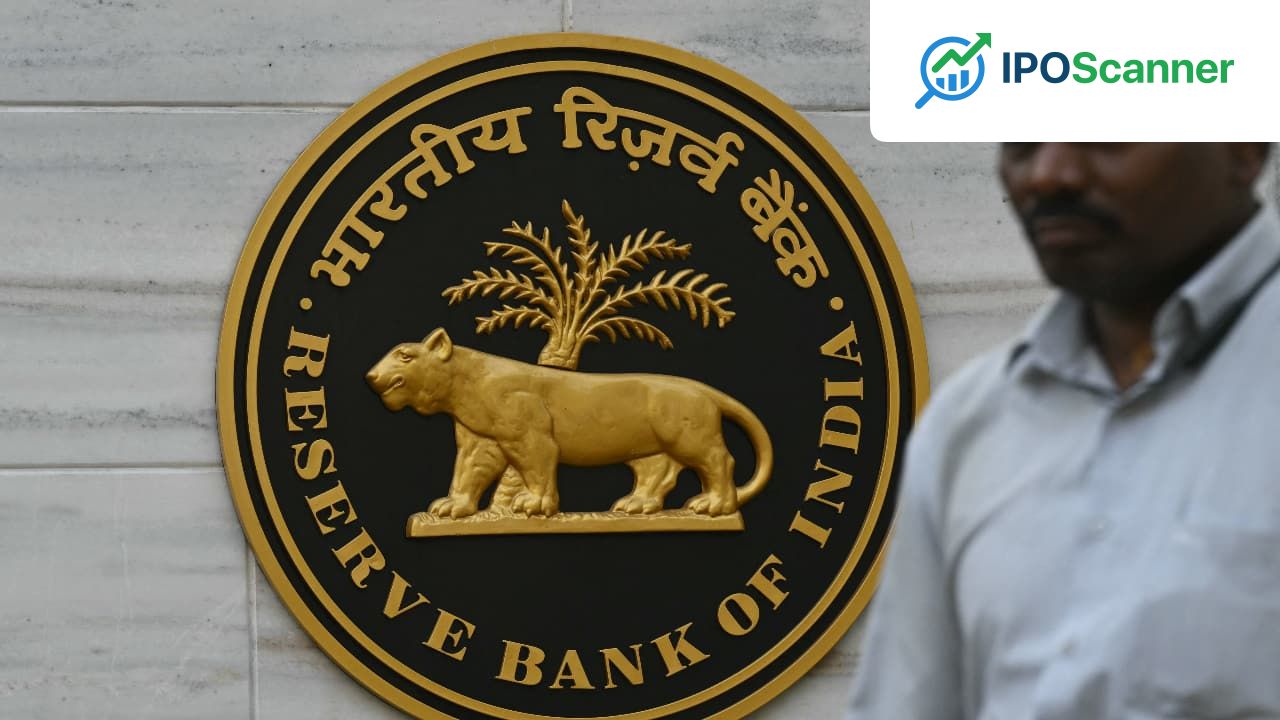
The Reserve Bank of India's Monetary Policy Committee (MPC) made a decision on June 5 to keep the repo rate unchanged at 5.25 percent, marking a pause in rate action for the central bank.
The MPC's cautious approach reflects a balancing act between relatively stable domestic inflation trends and rising global uncertainties, including geopolitical tensions and volatile commodity prices. By holding the repo rate steady, the central bank aims to mitigate the impact of external factors on the domestic economy.
Impact on Fixed Deposit Investors
Read also: Indian Stock's 530% Rally Highlights Hidden AI Investment Opportunities
A pause in the repo rate typically results in stability in deposit interest rates. As banks use the policy rate as a benchmark for pricing loans and deposits, the unchanged rate means there is little immediate pressure to revise fixed deposit (FD) rates. Most banks had already adjusted deposit rates in line with earlier policy moves, and with the MPC holding rates steady, FD returns are likely to remain broadly unchanged in the near term, limiting the scope for fresh hikes.
Current Trend in FD Rates
FD interest rates continue to vary depending on the bank and tenure. Private sector banks and non-banking financial companies (NBFCs) often offer relatively higher rates compared to large public sector banks. Senior citizens continue to benefit from preferential rates, typically earning an additional 25-75 basis points over regular FD rates.
FD Interest Rate Comparison
Read also: SoftBank Generates 7x Return on Lenskart Stake, Reaps Rs 2,873 Crore
| Bank | 1-year FD Rate | 2-year FD Rate | 3-year FD Rate |
|---|---|---|---|
| Private Sector Bank 1 | 5.50% | 5.75% | 6.00% |
| Private Sector Bank 2 | 5.25% | 5.50% | 5.75% |
| Public Sector Bank | 4.75% | 5.00% | 5.25% |
| NBFC | 5.75% | 6.00% | 6.25% |
Alternative Investment Options
While fixed deposits remain a safe and predictable investment option, especially for conservative investors, the stable rate environment may push some savers to explore alternatives. Financial planners suggest considering options such as corporate fixed deposits, debt mutual funds, and government securities. These instruments may offer relatively better returns, but they also come with varying degrees of risk and liquidity considerations. Investors should align their choices with their financial goals, risk appetite, and investment horizon before diversifying beyond traditional FDs.
Investor Takeaway
FD returns are likely to remain broadly unchanged in the near term.
More in Economy

Indian Stock's 530% Rally Highlights Hidden AI Investment Opportunities

SoftBank Generates 7x Return on Lenskart Stake, Reaps Rs 2,873 Crore
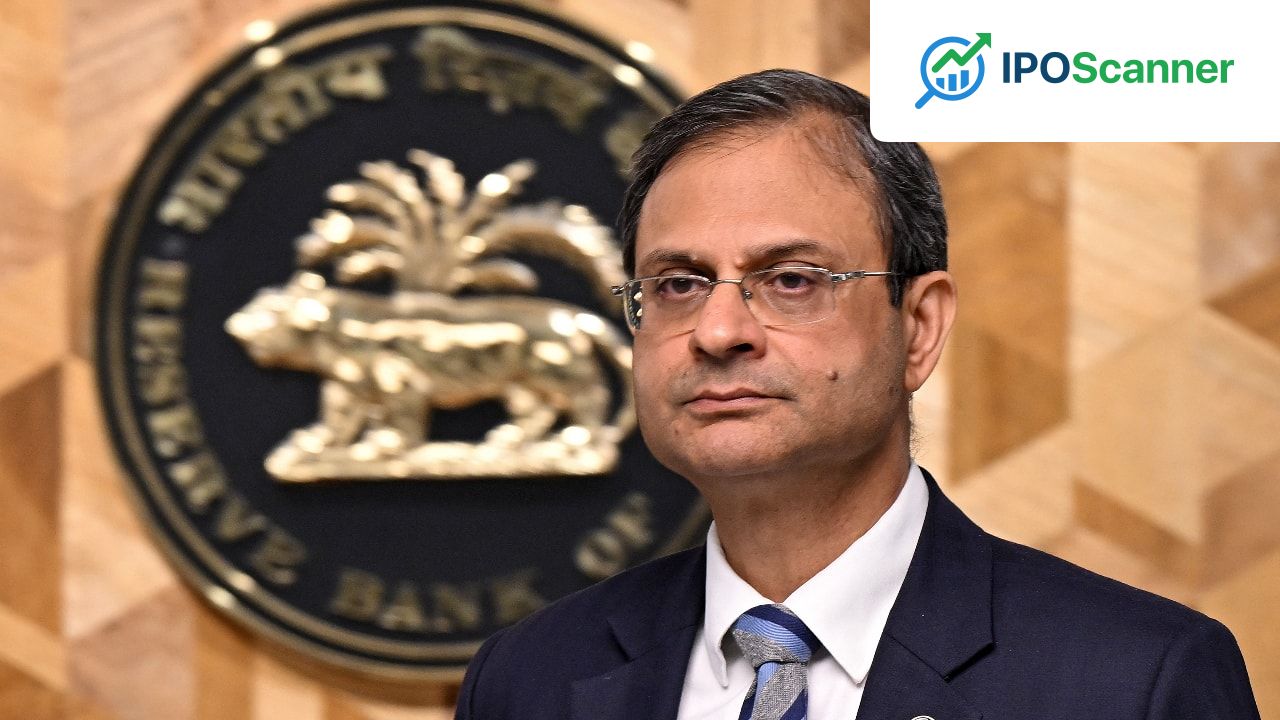
RBI Governor Signals Caution Amid Deepening Global Energy Crisis Impact on Domestic Economy