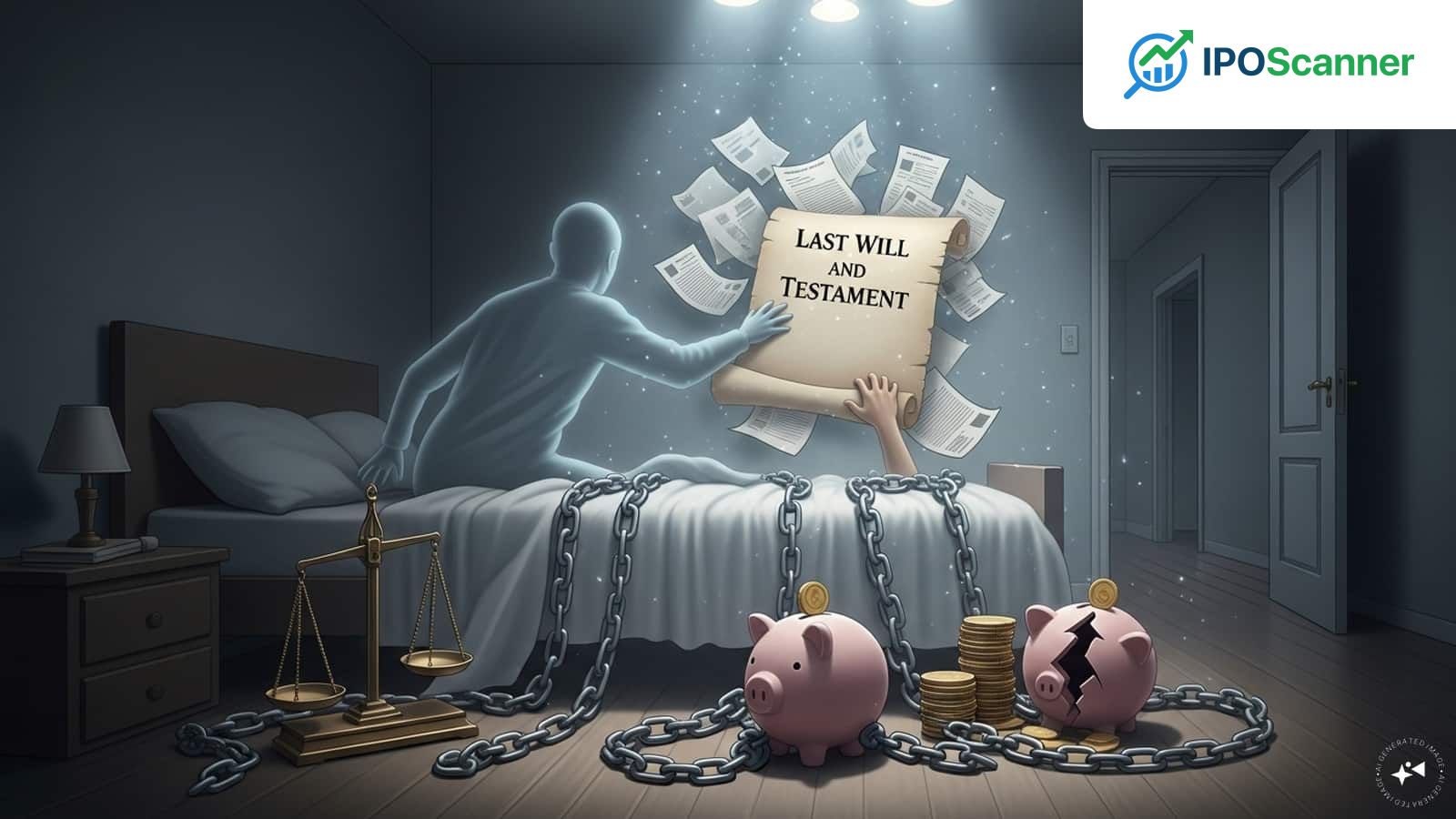
When a Borrower Passes Away: The Fate of Outstanding Loans
Dealing with Loan Liabilities After Death in India
Loans are a crucial part of people's lives, often used for purchasing homes, vehicles, education, and personal expenses. However, it is essential to consider what happens to these liabilities in the event of the debtor's death. In India, loans don't just disappear, but the repayment of the loan will not automatically fall on the relatives.
When a borrower passes away, the lending agency can claim the outstanding amount from the deceased's estate, which consists of all assets such as properties, savings, and investments left behind. The legal heirs are not personally accountable for repaying the debt from their personal funds unless they are co-borrowers or guarantors. They are only required to pay up to the value of assets inherited from the estate.
Treatment of Loan Liability Post Death
| Loan Type | Liability after Death |
|---|---|
| Secured Loan | Lender can claim outstanding amount from estate, and heirs can keep property if they repay the remaining loan or settle all dues |
| Unsecured Loan | Heirs are not liable unless they are co-borrowers or guarantors; lender cannot claim assets from estate |
In cases where the estate is inadequate to repay the entire debt, the loan remains unpaid. It's essential to understand the roles of co-borrowers and guarantors in loan agreements.
Co-Borrower and Guarantor Liability
If there is a co-borrower in the loan, they are held liable for the total repayment after the death of the primary borrower. Similarly, guarantors may have to pay back the loan on behalf of the borrower in case the latter is unable to repay. Banks are legally permitted to claim their dues from co-borrowers and guarantors in such situations.
Read also: Missing a Single EMI Payment Can Adversely Impact Credit Profile
This is particularly relevant in home loans, where spouses and relatives often act as co-applicants. It's crucial to gain knowledge about these roles before entering into a loan agreement.
Secured and Unsecured Loans
Secured loans involve pledging collateral in exchange for the loan. If the borrower is unable to repay, the bank can claim their dues by selling the pledged item. In secured loans, such as home loans, the property can be sold if the loan is not repaid. However, heirs can keep the property as long as they repay the remaining loan or settle all the dues.
Unsecured loans, including personal loans and credit card dues, do not involve any collateral. Family members are not liable to pay back such loans unless they are co-borrowers or guarantors legally obligated to make payments.
Importance of Loan Protection Planning
Many individuals purchase loan protection insurance, particularly when buying homes. Loan protection insurance pays off the remaining loan balance in case of death. This planning prevents relatives from going into debt and saves their assets in case of death or unpaid loans. It's essential to review liabilities and make proper financial plans to avoid any potential issues.
More in General

Correcting Credit Score Errors: A Guide to Ensuring Accurate CIBIL Reports and Optimal Loan Eligibility

Missing a Single EMI Payment Can Adversely Impact Credit Profile

EPF Withdrawal Comes with Tax Implications: A Guide to Understanding the Consequences