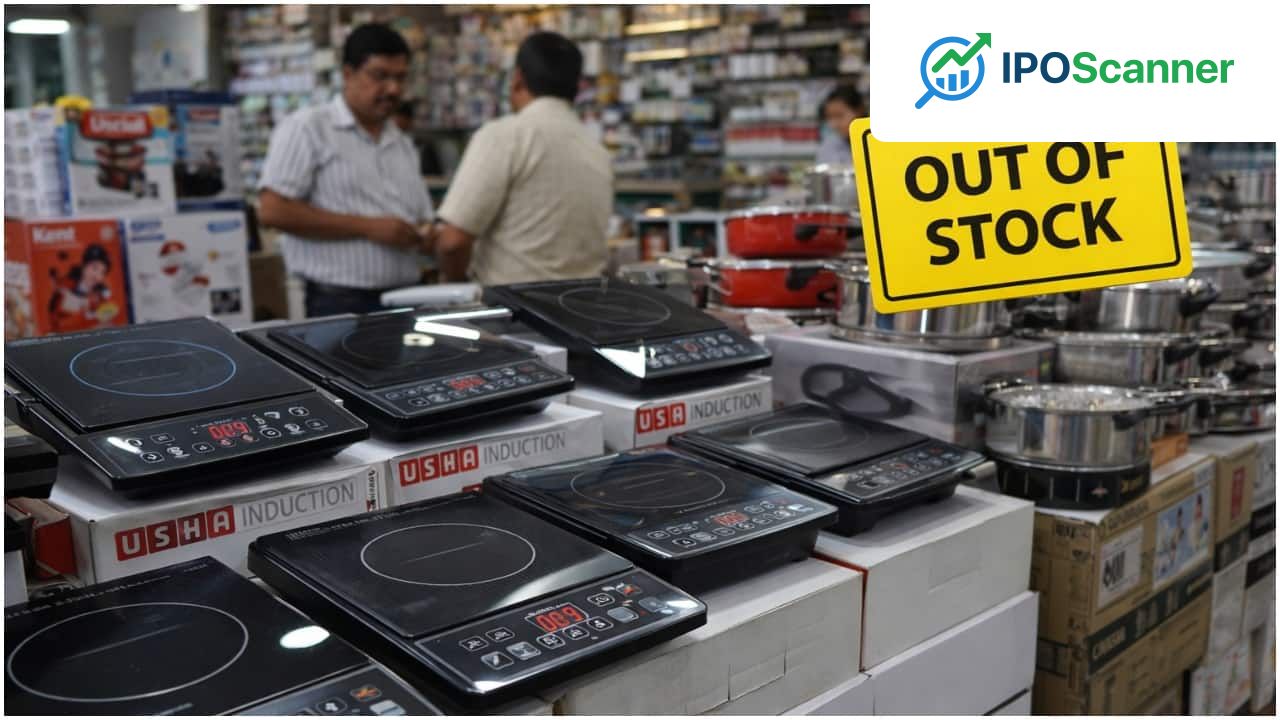
West Asia Crisis: Government Considers Reduction in Customs Duties on Critical Induction Cooktop Components
Government Considers Customs Duty Cut on Induction Cooktop Components to Boost Domestic Manufacturing
The Indian government is contemplating reducing customs duty on critical induction cooktop components to stimulate domestic manufacturing and address the price hike in the wake of the West Asia crisis. According to an official, the commerce and industry ministry has also recommended lowering the Goods and Services Tax (GST) on these cooktops from 18 per cent to 5 per cent to enhance affordability.
The crisis has disrupted the movement of ships carrying oil and gas through the Strait of Hormuz, prompting concerns over cooking gas supplies and prompting people to rush to buy induction heaters and compatible utensils. In response, stakeholder consultations were conducted by the Department for Promotion of Industry and Internal Trade (DPIIT) in coordination with the Department of Commerce and the Ministry of Power to address demand-supply challenges in the induction cooktop sector and assess immediate measures required to stabilize supply and prices.
Measures Taken to Address Demand-Supply Challenges
Read also: Treasury Yields Experience Largest Increase in Two Weeks Following Release of Labor Market Data
The government has taken steps to support the sector, including the extension of the implementation timeline for the mandatory quality control order (QCO) on certain electrical appliances by six months, till October 2026. Mandatory energy efficiency timelines have also been extended.
PESO Undertakes Multiple Facilitative and Safety Oriented Measures
Addressing media on the steps to contain the impact of the crisis, DPIIT Joint Secretary Nidhi Kesarwani said that the Petroleum and Explosives Safety Organization (PESO) has undertaken multiple facilitative and safety oriented measures to ensure uninterrupted availability of fuels and gas amid the ongoing crisis.
| Measure | Outcome |
|---|---|
| Disposal of applications for CNG and CBG dispensing stations | 467 applications disposed of from March 25 to April 21 |
| Final licenses granted for CNG/CBG dispensing stations | 157 cases |
| Prior approvals granted for construction of new CNG/CBG dispensing stations | 38 cases |
| Bio Gas cylinder filling and storage plants approved | 41 cases |
| Licenses issued to Bio Gas cylinder filling and storage plants | 14 cases |
Read also: US-Iran Tensions Spark Uptick in Oil Prices Amid Global Market Decline
Kesarwani stated that PESO has also issued guidelines permitting LNG filling in cryogenic cylinders to promote decentralized LNG supply and enhance fuel flexibility during disruptions. Additionally, temporary storage relaxations have been granted for Superior Kerosene Oil, with storage up to 2,500 liters permitted.
Long-term Initiatives to Promote Alternative Fuels
Kesarwani said that long-term initiatives were implemented to promote alternative fuels. Guidelines were issued last month for the installation of District Pressure Regulating Skids at CNG/CBG stations to address land constraints and expand gas dispensing infrastructure; and for the filling of Liquefied Natural Gas (LNG) in cryogenic cylinders to facilitate supply of natural gas to remote or non-pipeline areas. Guidelines were also issued on April 2 to permit night-time operations, particularly for LPG bottling plants, which will result in extended operational hours, thereby enhancing production capacity.
Investor Takeaway
The government may consider reducing customs duties on critical induction cooktop components to boost domestic manufacturing and address price hikes.
More in Economy

Treasury Yields Experience Largest Increase in Two Weeks Following Release of Labor Market Data

US-Iran Tensions Spark Uptick in Oil Prices Amid Global Market Decline

MoSPI Releases Uniform Norms for DDP Estimates with 2022-23 Base Year

