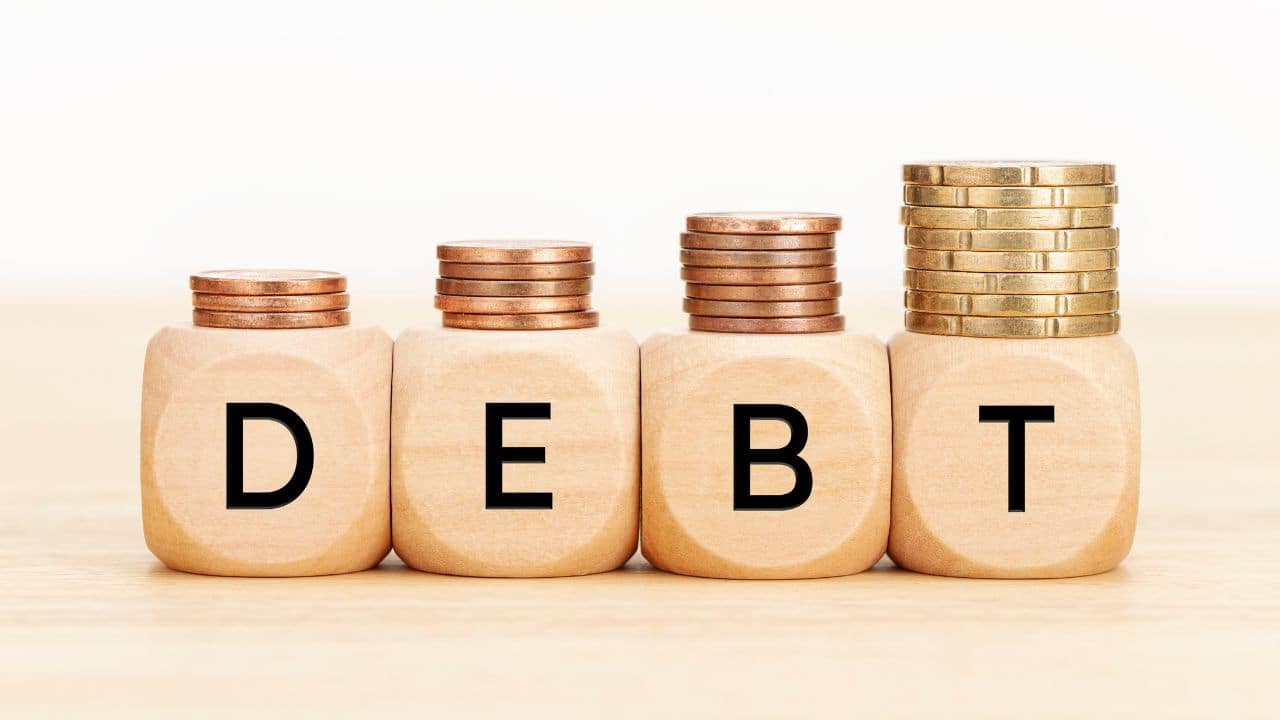
Weighing the Pros and Cons of Debt Consolidation
Debt Consolidation Loans: A Double-Edged Sword
Debt consolidation loans can provide temporary relief from debt by bundling multiple loans into a single monthly payment. However, this approach does not address the underlying issues of overspending and cash-flow gaps, and can lead to further financial strain.
When Consolidation Makes Sense
Consolidation can be beneficial when high interest rates are the primary concern, not overspending. For instance, replacing credit card balances with a personal loan at a lower interest rate can lead to significant savings. Additionally, consolidation can simplify repayment when cash flow is strained but stable, providing a single predictable EMI.
When Consolidation May Make Things Worse
Consolidation can be detrimental when used as a means of emotional relief rather than financial correction. This can lead to two layers of debt, as individuals may continue to use credit cards after consolidating their balances. Another red flag is extending the loan tenure to reduce the EMI, which can increase the total interest paid over time.
The Importance of Behavioural Change
The success of consolidation depends more on the individual's spending habits than the loan terms. If credit cards are closed or strictly limited, consolidation can be a reset. However, if credit is maintained "just in case," the risk of relapse remains.
Read also: Missing a Single EMI Payment Can Adversely Impact Credit Profile
What to Consider Before Consolidating
Before committing to a consolidation loan, it is essential to:
- Compare the total amount to be repaid, not just the EMI
- Check processing fees, prepayment charges, and early closure penalties
- Assess whether spending behaviour will change after consolidation
When Consolidation is Not the Answer
Consolidation may not be suitable for individuals with:
- Unstable income, which can lead to unsustainable EMIs
- Debt with reasonable interest rates, where consolidation may offer little benefit
- A history of repeated consolidation, indicating a lifestyle mismatch rather than a structural issue
In such cases, a more aggressive repayment strategy, spending cuts, or direct lender negotiations may be more effective.
Investor Takeaway
Consider debt consolidation if high interest rates are the primary issue, not overspending.
More in General
Correcting Credit Score Errors: A Guide to Ensuring Accurate CIBIL Reports and Optimal Loan Eligibility

Missing a Single EMI Payment Can Adversely Impact Credit Profile

EPF Withdrawal Comes with Tax Implications: A Guide to Understanding the Consequences