Warren Buffett's Enduring Strategies for Long-Term Investment Success
Warren Buffett's Timeless Investment Wisdom
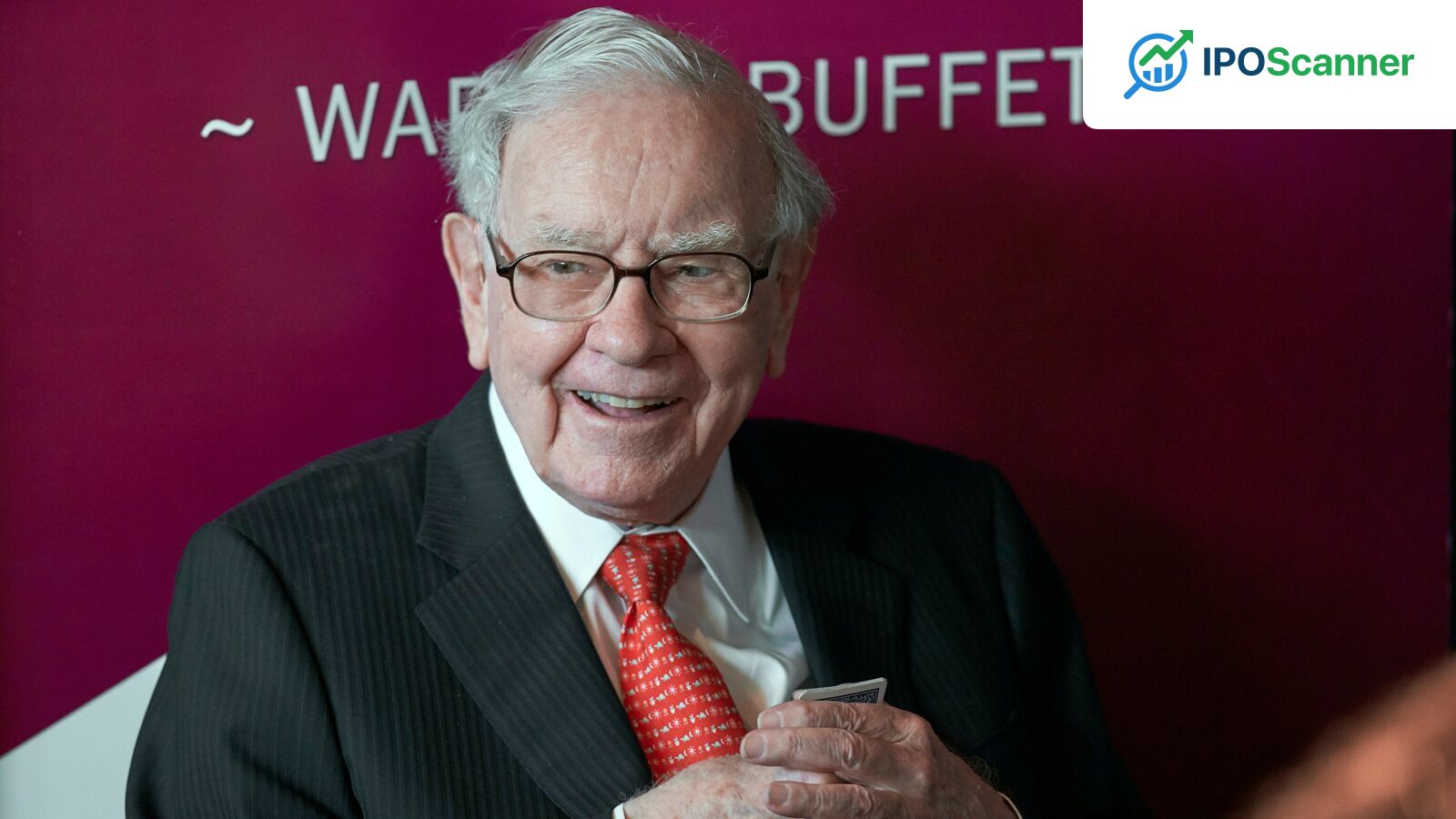
Berkshire Hathaway founder and chairman, Warren Buffett, has been a guiding light for investors with his long-term approach to stocks, emphasis on fundamentals, and calculated risks. Over the years, Buffett's investment philosophy has made the rounds online, inspiring countless investors. He and his late business partner, Charlie Munger, are known for their no-nonsense approach to business and relatively frugal lifestyles, despite their immense wealth.
Under Buffett's leadership, Berkshire Hathaway transformed from a failing textile maker into a global empire. Decades of compounded returns made the pair billionaires and folk heroes to adoring investors. Notably, in January this year, Buffett handed over the reins and CEO position to successor Greg Abel.
Buffett's "bull run" with Berkshire has been legendary, with the group gaining more than 55,00,000% returns over 60 years (1964-2024) to build a market value of $1.2 trillion. The expansion of Class A shares has also increased their worth to $167 billion.
Read also: Indian Space Industry Stocks Gain Momentum: Three Companies to Watch
Here are five key investment tips from Buffett that remain relevant today:
Market Timing
Buffett never tries to time the markets, emphasizing that they will go up over a period of time. In the past five years, the NSE has returned 96.01% and the Sensex has given 90.24% cumulative returns, according to data from Mint.
Market Dips
Read also: Kumar Mangalam Birla to Address Concluding Function of RSS Training Camp
Buffett views market dips as opportunities for retail investors to buy premium stocks at lower prices. Berkshire is "almost always a buyer of stocks," he noted. A recent report by DSP Mutual Fund noted that valuations are compressing toward fair value, with large-cap stocks in sectors like banking, IT, healthcare, and FMCG closer to historical valuation lows than highs.
Investing Approach
Buffett emphasizes the importance of steady fundamentals in investing. He recommends dividing your funds as follows: 90% in low-cost S&P 500 index fund (equivalent to Nifty 50, Nifty 500, and BSE 500 in India) and 10% in short-term government bonds (G-sec).
| Index | 5-Year Cumulative Return |
|---|---|
| Nifty500 | 118.91% |
| BSE500 | 116.98% |
Compounding Effect
Buffett's own experience with investing from a young age is a testament to the power of compounding. He bought his first stock at 11 years old in April 1942 and today has an estimated net worth of $142 billion.
| Investment | Growth after 5 Years |
|---|---|
| ₹10,000 | ₹14,693 |
| ₹3,000 monthly SIP | ₹15 lakh (15 years) |
Market Outlook
Buffett does not believe that the markets are down for good. He notes that the country's value will grow over time, and markets will recover. For Indian investors, the domestic market's decline in March was a direct hit from global uncertainties, but the key consideration is how long the conflict persists.
Investor Takeaway
Investors should adopt a long-term approach to stocks, sticking to fundamentals, and taking calculated risks.
More in General

Indian Space Industry Stocks Gain Momentum: Three Companies to Watch

Kumar Mangalam Birla to Address Concluding Function of RSS Training Camp

The Cost of Healthcare: Why Predictability in Medical Inflation is Crucial for Health Insurance