US Threatens Sanctions on Banks Facilitating China's Purchase of Iranian Oil
US Cranks Up Pressure on Iran with Sanctions on Chinese Refiner
The US Treasury Department has issued a stern warning to banks that support Chinese private refiners buying Iranian oil, stating that they risk facing secondary sanctions. This move comes as Washington continues to tighten its grip on Iran's financial lifeline, just weeks before a leaders' meeting between the US and China.
The Treasury Department's Office of Foreign Assets Control has targeted Hengli Petrochemical (Dalian) Refinery Co., one of China's largest private oil refiners, with sanctions. This action aims to disrupt Iran's oil shipments, which are a vital source of revenue for the country. The US has been increasing its efforts to cut off Iranian oil exports, and this latest move is part of that effort.
The Treasury Department has issued a statement warning banks that support the Iranian trade to be prepared for secondary sanctions. The statement emphasizes that financial institutions should be aware of the risks associated with dealing with refineries in the northern province of Shandong, particularly those that have connections to Iran. Banks are also advised to implement risk-based controls and conduct enhanced due diligence in their dealings with these refineries.
Read also: Treasury Yields Experience Largest Increase in Two Weeks Following Release of Labor Market Data
China's Biggest State Banks Have a History of Complying with US Sanctions
China's state-owned entities generally avoid dealing with blacklisted oil, and its biggest state banks have a history of complying with US sanctions against Iran, North Korea, and even top officials in Hong Kong. This is because they want to maintain access to the US dollar clearing system. Industrial & Commercial Bank of China Ltd. and Bank of China Ltd. have previously restricted financing for Russian commodities, even though sanctions at the time spared Russia's energy sector.
China Remains the Largest Consumer of Blacklisted Oil
Despite the efforts to cut off Iranian oil shipments, China remains the single biggest consumer of blacklisted oil. This oil is often transported using "dark tankers" and is rebranded as Malaysian to obscure its origin. The crude is typically transferred from one vessel to another along the route, allowing Iranian vessels to shuttle back for more barrels. Over the years, the US Treasury has sanctioned a handful of Chinese companies involved in port operations, shipping, and financing, but these have typically been smaller than Hengli.
Read also: US-Iran Tensions Spark Uptick in Oil Prices Amid Global Market Decline
Fresh Pressure on Chinese Private Players Risks Adding to Tensions Ahead of US-China Summit
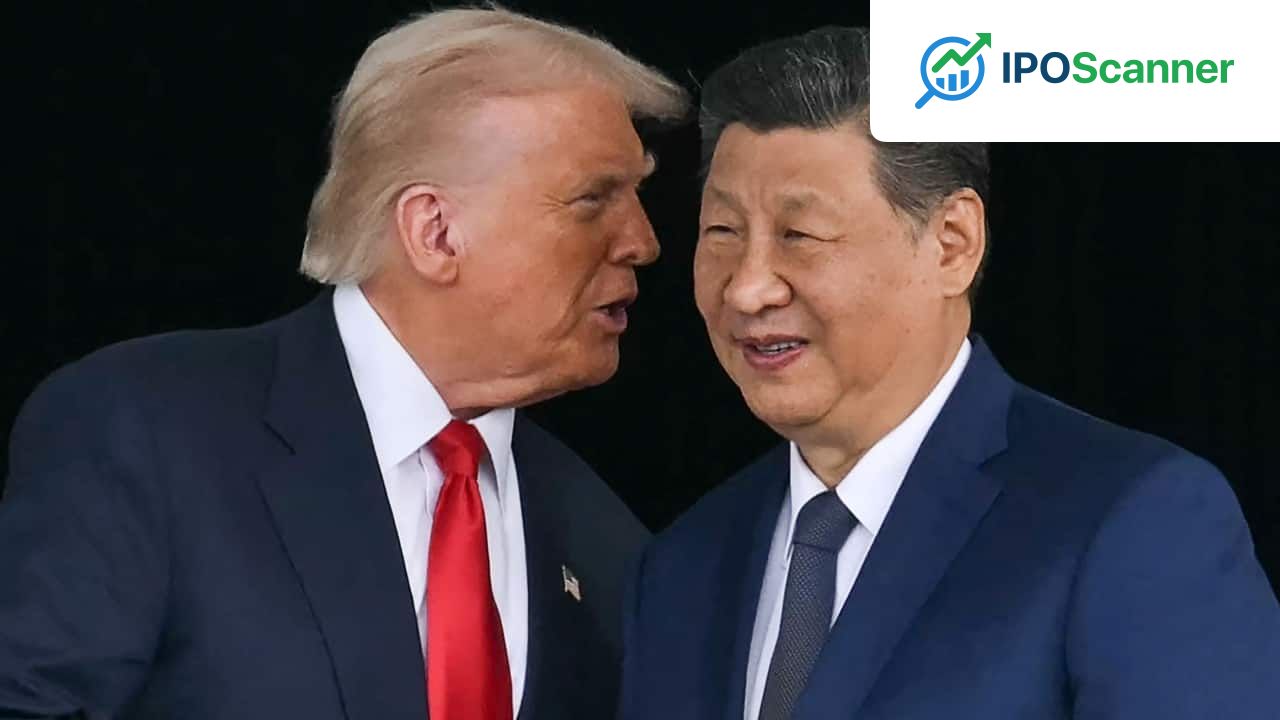
The fresh pressure on Chinese private players risks adding another irritant ahead of an expected summit between US President Donald Trump and his Chinese counterpart Xi Jinping next month. Chinese Foreign Ministry spokesman Lin Jian has stated that the US should "stop willfully slapping sanctions and using long-arm jurisdiction," and that Beijing will defend the rights of Chinese companies.
US Treasury Announces Sanctions on 35 Entities and Individuals Connected to Iran's Shadow Banking Networks
In addition to the sanctions on Hengli Petrochemical (Dalian) Refinery Co., the US Treasury has announced sanctions on 35 entities and individuals connected to Iran's shadow banking networks. This move aims to further disrupt Iran's financial networks and cut off its access to international finance.
| Entity Type | Number of Entities | Previous Sanctions |
|---|---|---|
| Chinese Refineries | 1 (Hengli Petrochemical (Dalian) Refinery Co.) | Yes |
| Chinese Companies | 0 | No |
| Iranian Entities | 35 | Yes |
| US Banks | 0 | No |
Note: The table above highlights the number of entities sanctioned by the US Treasury in relation to Iran's shadow banking networks, as well as the number of Chinese refineries and companies targeted by the US.
Investor Takeaway
US sanctions on banks supporting Chinese private refiners buying Iranian oil may impact global oil trade and geopolitics.
More in Economy

Treasury Yields Experience Largest Increase in Two Weeks Following Release of Labor Market Data

US-Iran Tensions Spark Uptick in Oil Prices Amid Global Market Decline

MoSPI Releases Uniform Norms for DDP Estimates with 2022-23 Base Year

