US CPI Logs Largest Annual Increase in Three Years, Raising Questions About Fed Interest Rate Policy
US Consumer Price Index Hits Three-Year High, Fueling Speculations of Interest Rate Hikes
The US consumer price index (CPI) for April reached a three-year high of 3.8%, sparking concerns that the US Federal Reserve may raise interest rates in the near future. This development comes on the heels of two consecutive months of rising inflation, with the CPI increasing to 3.3% year-on-year (YoY) in March after staying at 2.4% in January and February each.
April's CPI of 3.8% is the highest since May 2023, when the US CPI was 4%. The recent surge in crude oil prices, driven by the Middle East conflict, is expected to push up gasoline costs, potentially leading to further inflation. Before the conflict escalated, US inflation was on track to moderate, but the recent disruption has disrupted this trend.
Fed's Dilemma: Balancing Inflation Control and Macroeconomic Stability
Read also: Treasury Yields Experience Largest Increase in Two Weeks Following Release of Labor Market Data
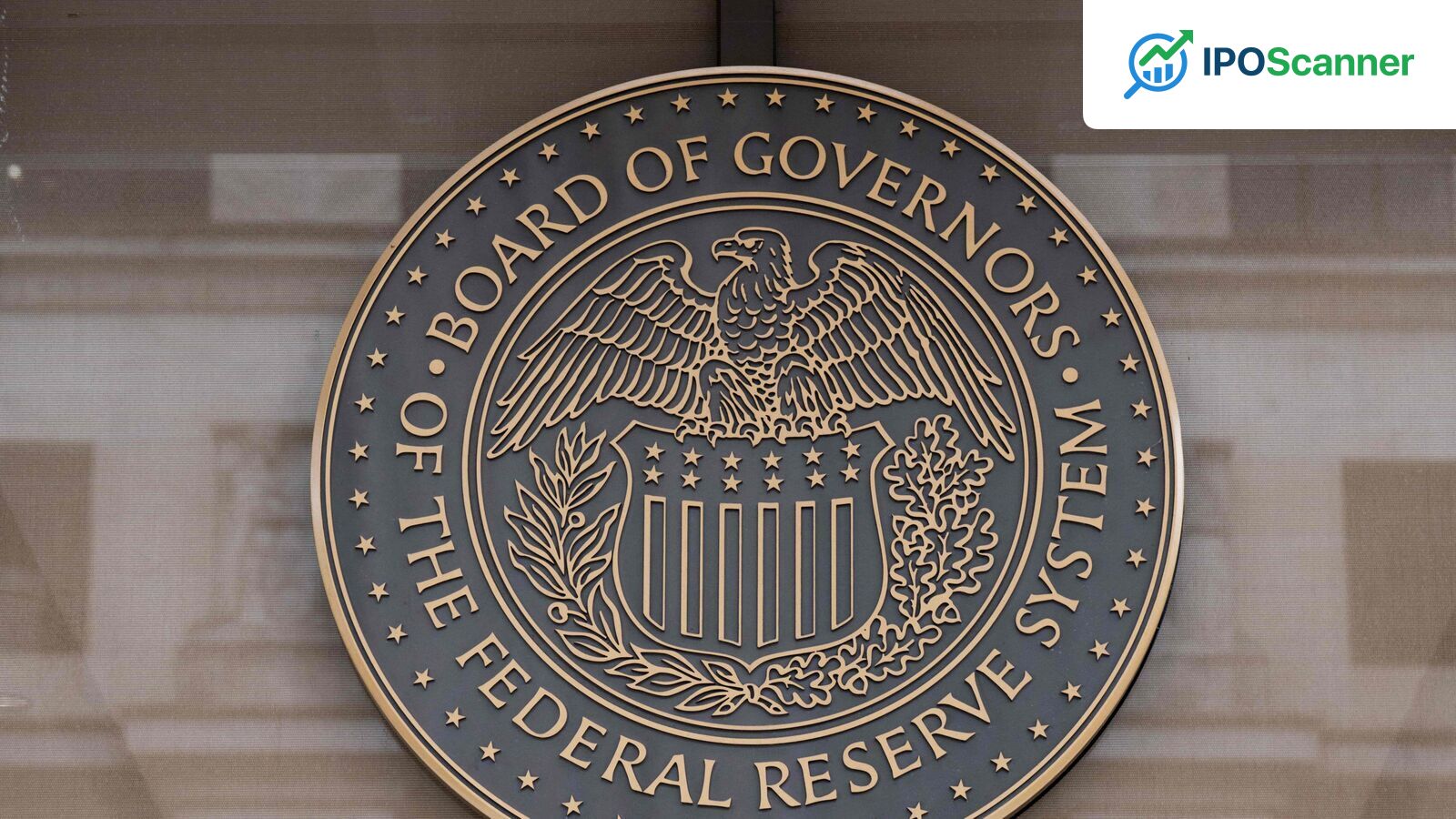
In its last policy meeting in April, the Federal Open Market Committee (FOMC) kept benchmark interest rates unchanged at 3.5%–3.75% for the third consecutive policy. However, Fed Chair Jerome Powell underscored the increased risk of inflation from the recent jump in global energy prices. The central bank has been struggling to bring inflation below its 2% target level, a feat it has not achieved since February 2021.
Most economists believe that the possibility of a rate reduction in 2027 is remote, given the volatile commodity prices and US President Donald Trump's tariff policies. Debopam Chaudhuri, Chief Economist at Piramal Finance, noted that key inflation drivers such as gasoline prices have been rising continuously for the last two months, while grocery prices have hit their highest levels in nearly four years.
| Month | CPI (YoY) |
|---|---|
| January 2023 | 2.4% |
| February 2023 | 2.4% |
| March 2023 | 3.3% |
| April 2023 | 3.8% |
| May 2023 | 4% |
Chaudhuri emphasized that the immediate impact of this sharp rise in inflation is that it effectively rules out any near-term possibility of a rate cut. He also highlighted that a new Fed governor joining the board from May onward does not make economic sense for the Federal Reserve to begin cutting rates when inflation remains elevated.
Read also: US-Iran Tensions Spark Uptick in Oil Prices Amid Global Market Decline
Madhavi Arora, Chief Economist for Emkay Global Financial Services, noted that globally, fears of inflation are beginning to linger, and that could push policymakers across major economies to adopt a more hawkish stance than they currently have. She emphasized that the trajectory of oil prices will be a key variable influencing policy decisions across the world.
According to Manoranjan Sharma, Chief Economist at Infomerics Ratings, the Fed can still raise rates if inflation continues to exceed its target, since its primary mandate is price stability. However, Sharma highlighted that the US economy faces slower growth, high public debt, and vulnerable banking and commercial real estate sectors. Additional rate hikes could weaken employment, increase recession risks, and raise debt-servicing costs for households and firms.
Investor Takeaway
A potential US Fed rate hike may be on the horizon due to rising inflation.
More in Economy

Treasury Yields Experience Largest Increase in Two Weeks Following Release of Labor Market Data

US-Iran Tensions Spark Uptick in Oil Prices Amid Global Market Decline

MoSPI Releases Uniform Norms for DDP Estimates with 2022-23 Base Year

