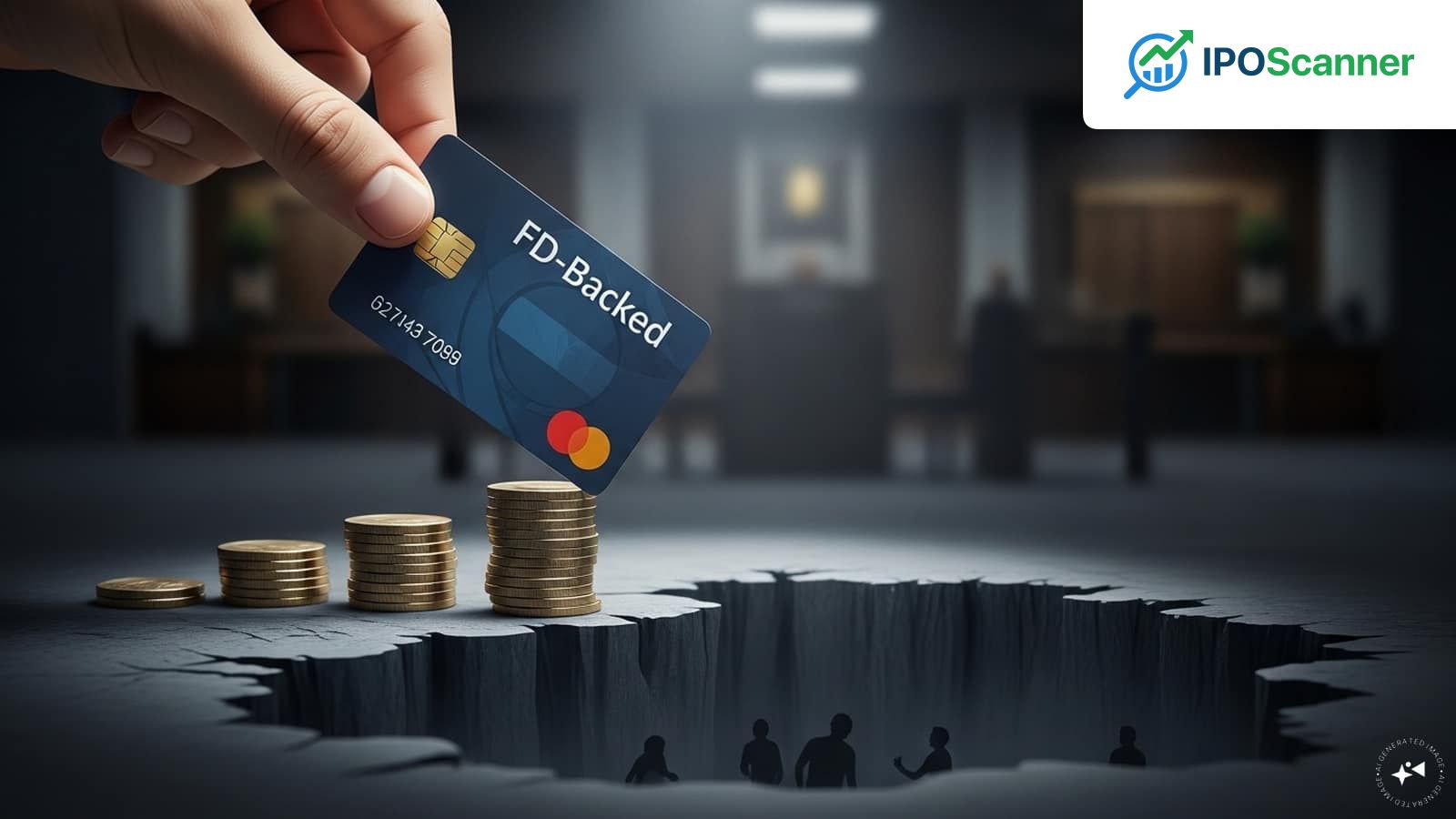
UPI vs Debit Cards: A Comparative Analysis of Everyday Spending Safety
The Hidden Risks of Contactless Payments
It's not uncommon for users to tap "pay" on a Unified Payments Interface (UPI) app at a café without carefully checking the details, and then move on. The absence of a PIN being typed on a machine or a card being handed over can make the experience feel seamless.
However, have you ever stopped to consider whether this convenience comes at the cost of safety, or if it's just easier?
The short answer is that UPI is often safer for everyday use, but not in the way people assume. It's not that one system is "secure" and the other isn't. Instead, the risks show up in very different places.
Read also: Kumar Mangalam Birla to Address Concluding Function of RSS Training Camp
With UPI, bank details remain in the background, and users are not required to share their account number or card information with merchants. Every payment is authorized through the app, usually with a PIN or biometric authentication. This reduces the risk of data being skimmed or stored somewhere it shouldn't be.
Debit cards work differently, as every time a user swipes or taps, they are effectively sharing card details with the merchant and the payment network. While this is usually fine, it creates more points where something can go wrong, especially with compromised POS machines or data breaches.
UPI vs. Debit Cards: A Comparison of Risks
| Risk | UPI | Debit Cards |
|---|---|---|
| Data Skimming | Reduced risk | Increased risk |
| Data Breaches | Reduced risk | Increased risk |
| User Involvement | More user involvement | Less user involvement |
| Transaction Size | Smaller transactions | Larger transactions |
Read also: The Cost of Healthcare: Why Predictability in Medical Inflation is Crucial for Health Insurance
As shown in the table, UPI generally has a lower risk of data skimming and breaches, as user involvement is higher and transactions are smaller. However, debit cards have a higher risk of unauthorized transactions if card details are leaked.
But here's where UPI flips the equation. Most UPI fraud isn't about systems being hacked; it's about people being tricked. Fake collect requests, QR codes that redirect payments, and calls asking users to "approve" a refund are common tactics used by scammers. The system is secure, but the user becomes the weak link.
Debit card fraud, on the other hand, is more technical. Skimming, cloning, or unauthorized transactions can occur if card details are leaked. This type of fraud tends to happen without the user's active involvement.
There's also a behavioral difference between UPI and debit cards. With UPI, users are usually making smaller, frequent payments, which limits the damage if something goes wrong. Debit cards, on the other hand, are often linked to larger transactions or ATMs, where a single breach can mean a bigger hit.
At the same time, UPI has its own blind spot. Because it feels so quick and familiar, people tend to drop their guard, and users are more likely to approve something without thinking, especially if it looks like a routine request.
So, which one should you use? For day-to-day spending, UPI generally comes out ahead. It's faster, doesn't expose your financial details as much, and gives you tighter control over each transaction. But that safety depends heavily on how alert you are.
Debit cards are still useful, especially for ATM withdrawals or situations where UPI isn't accepted. However, they carry a slightly higher background risk because your card details travel more often than you realize.
In the end, this isn't really about choosing one over the other; it's about understanding how each one can fail. UPI is safer if you don't fall for a scam, while debit cards are safer if your details don't get exposed.
In the end, it usually comes down to that one small moment when you hit "pay." That's where most mistakes happen, and where being just a bit more careful can make a big difference.
More in General

Kumar Mangalam Birla to Address Concluding Function of RSS Training Camp

The Cost of Healthcare: Why Predictability in Medical Inflation is Crucial for Health Insurance
Former Google Executive Warns AI Risks Stem from Human Misuse, Not Technological Limitations