Understanding Your Credit Report: A Guide to Interpretation
Understanding Your Credit Report: A Key to Financial Freedom
When it comes to credit reports, many of us tend to ignore them until we need a loan. However, it's essential to understand what a credit report entails and how it can impact your financial life.
A credit report is a record of your credit history, maintained by bureaus such as TransUnion CIBIL, Experian, Equifax, and CRIF High Mark. It's a comprehensive document that lenders refer to when you apply for a loan or credit card.
Breaking Down Your Credit Report
Your credit report is divided into several sections, each providing valuable information about your credit health.
Your Personal Information
The first section of your report includes your name, date of birth, PAN, address, and contact details. It's crucial to ensure that this information is accurate, as even small errors can create issues later. For example, an outdated address or a different spelling of your name can negatively impact your credit score.
Your Credit Accounts
Read also: Missing a Single EMI Payment Can Adversely Impact Credit Profile
This section lists all your loans and credit cards, both active and closed. You'll find details such as the amount borrowed, pending payments, EMI, and whether the loan is secured or unsecured. This information gives lenders a clear picture of your credit usage and management.
Repayment History
Your repayment history is a critical section that shows whether you've paid your EMIs and credit card bills on time. Even a single missed payment can negatively impact your credit score. On the other hand, a clean track record works strongly in your favor, demonstrating your ability to manage credit responsibly.
Credit Score
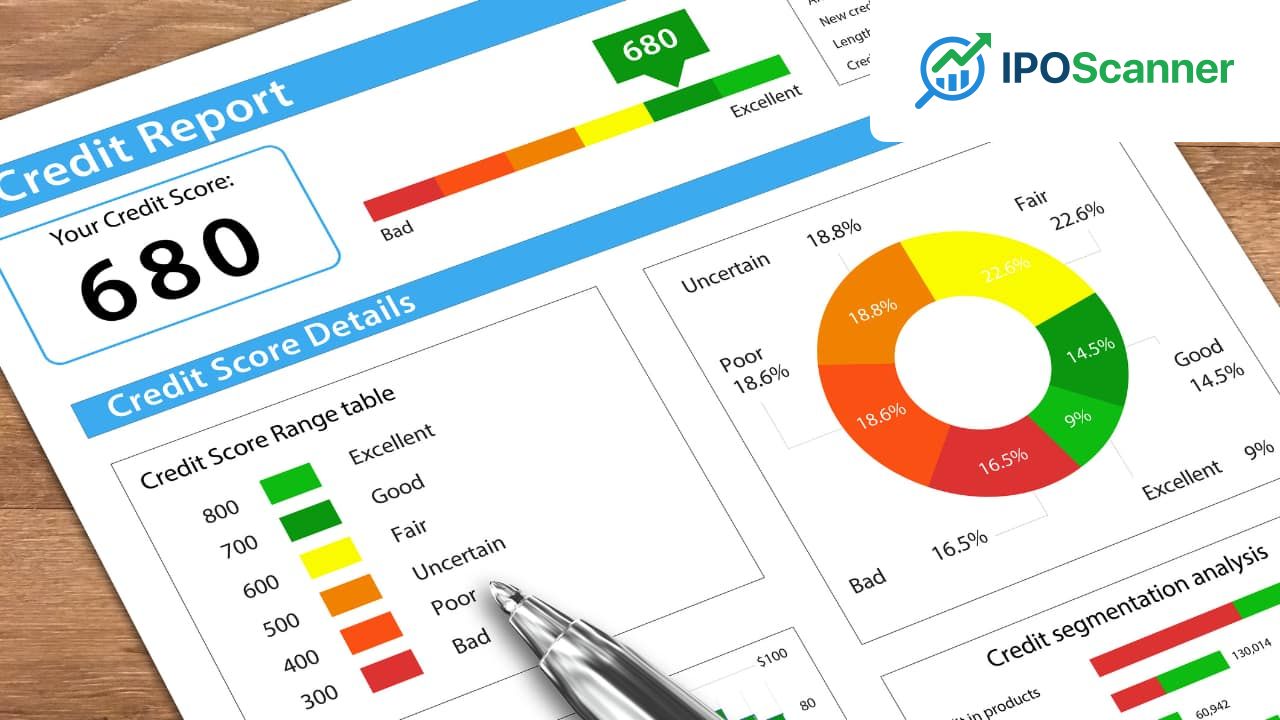
Your credit score is a three-digit number ranging from 300 to 900, with anything above 750 considered good. However, it's essential to remember that this number is just a summary of your overall behavior. What's truly important is the underlying factors, such as your repayment history and credit usage.
Credit Utilisation
Credit utilisation tells lenders how much of your available credit you're using. For example, if your limit is Rs 1 lakh and you're using Rs 80,000 regularly, that's considered high. Keeping it below 30-40 percent is generally seen as healthier.
Enquiries Section
The enquiries section shows every time you've applied for credit. While it's not a significant factor, too many applications in a short time can make you appear credit-hungry and may impact your score slightly.
Defaults and Settlements
If you've ever missed payments for long enough to default or settled a loan for less than the full amount, it will be recorded in this section. Lenders take this information seriously, even if it happened years ago.
Why Checking Your Report Matters
While many people focus solely on their credit score, the report behind it is equally important. Mistakes can occur, such as wrong entries, duplicate accounts, or incorrect payment records. Catching these errors early can make a significant difference when you apply for credit later.
The Bottom Line
Your credit report is more than just a document – it's a record of your financial behavior. By understanding it, you're in a better position to manage your credit and make informed financial decisions going forward.
More in General
Correcting Credit Score Errors: A Guide to Ensuring Accurate CIBIL Reports and Optimal Loan Eligibility

Missing a Single EMI Payment Can Adversely Impact Credit Profile

EPF Withdrawal Comes with Tax Implications: A Guide to Understanding the Consequences