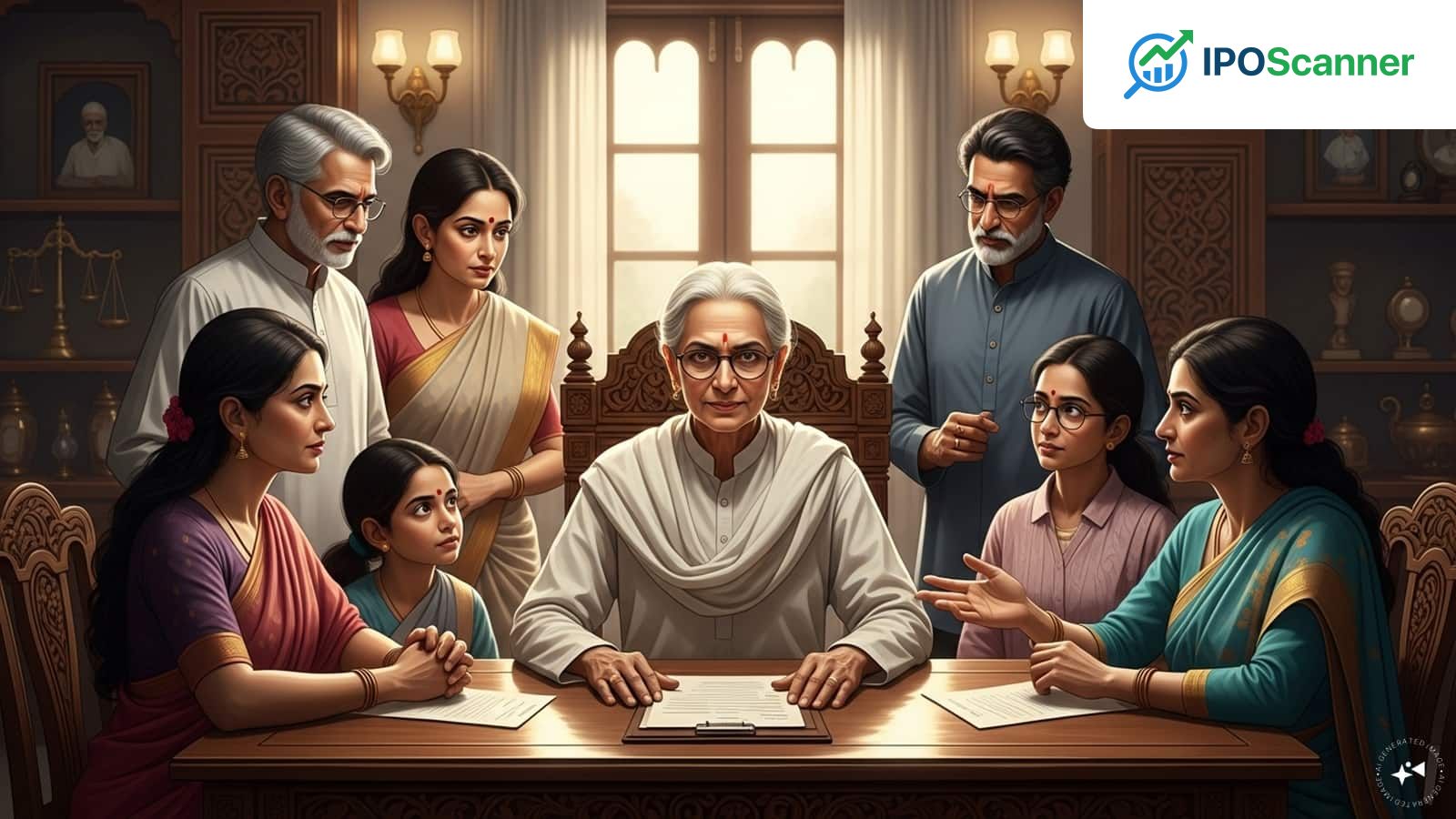
Understanding the Role and Restrictions of Karta in a Hindu Undivided Family
Understanding Hindu Undivided Families (HUFs) in India
A Hindu Undivided Family (HUF) is a unique legal and financial entity recognised under Indian law, commonly used by families to manage wealth, run family businesses and optimise taxation. This structure allows families to pool resources, hold property jointly and make collective financial decisions.
At the centre of this framework is the karta, the head of the HUF, who holds primary authority to manage and represent the family in all financial and legal matters. Traditionally, the senior-most member, the karta, acts as the decision-maker responsible for the administration of HUF affairs.
Rights of a Karta in an HUF
Read also: Kumar Mangalam Birla to Address Concluding Function of RSS Training Camp
A karta in an HUF has several rights, including:
- Right to manage all HUF assets and affairs without requiring the consent of other coparceners for day-to-day decisions.
- Right to alienate HUF property in cases of legal necessity or benefit of the estate.
- Right to represent the HUF in legal proceedings, contracts, and before tax authorities.
- Right to income and expenditure control, the karta decides how HUF's income is utilised, and expenses are met.
- Right to borrow on behalf of the HUF, binding other coparceners.
These rights come with a duty of utmost good faith toward all coparceners, and the karta must act prudently, in good faith and for the benefit of the family as a whole, and cannot treat HUF assets as personal property.
Limitations on Karta's Power
Read also: The Cost of Healthcare: Why Predictability in Medical Inflation is Crucial for Health Insurance
A karta can alienate HUF property without the prior consent of coparceners only for legal necessity or for the benefit of the estate. Legal necessity includes urgent needs such as essential family expenses, marriage, medical treatment, or paying off compulsorily enforceable debts that cannot be met from other sources. Benefit of the estate implies a transaction that improves the HUF's economic position, such as converting unproductive land into an income-generating asset, investing in a family business, or averting litigious loss.
Challenging Karta's Decisions
The decisions taken by a karta can be challenged by coparceners. The decision can be challenged if Karta's actions are not for the benefit of the HUF, its properties/or its members. Mismanagement, fraud/fraudulent transfers, misappropriation of HUF funds and alienation of a minor coparcener's shares, too, can be challenged.
Forming a Hindu Undivided Family
While forming a Hindu Undivided Family, several criteria must be met to ensure its legal standing and fiscal efficacy. There must be at least two coparceners, and a clearly identifiable corpus whether by way of ancestral property, gifted assets, or property received under a will must be blended into the common stock through a proper declaration or family arrangement recorded in writing.
It is essential to obtain a separate PAN for the HUF and maintain distinct books of accounts from the date of formation, so as to establish it as an independent taxable entity in the eyes of the Income Tax Department.
Important Considerations
Following the Hindu Succession (Amendment) Act, 2005, the equal coparcenary rights of daughters must be duly acknowledged and reflected in the HUF's constitution to forestall future disputes over partition and succession. A well-drafted HUF deed documenting the date of formation, properties contributed, identity of the Karta, and the names of all coparceners provides robust protection against legal and tax complications.
Any proposed partition, whether partial or total, must be done through a registered deed with proper asset valuations, as it triggers capital gains implications and, in the case of a total partition, the cessation of the HUF's status as a separate taxable entity.
More in General
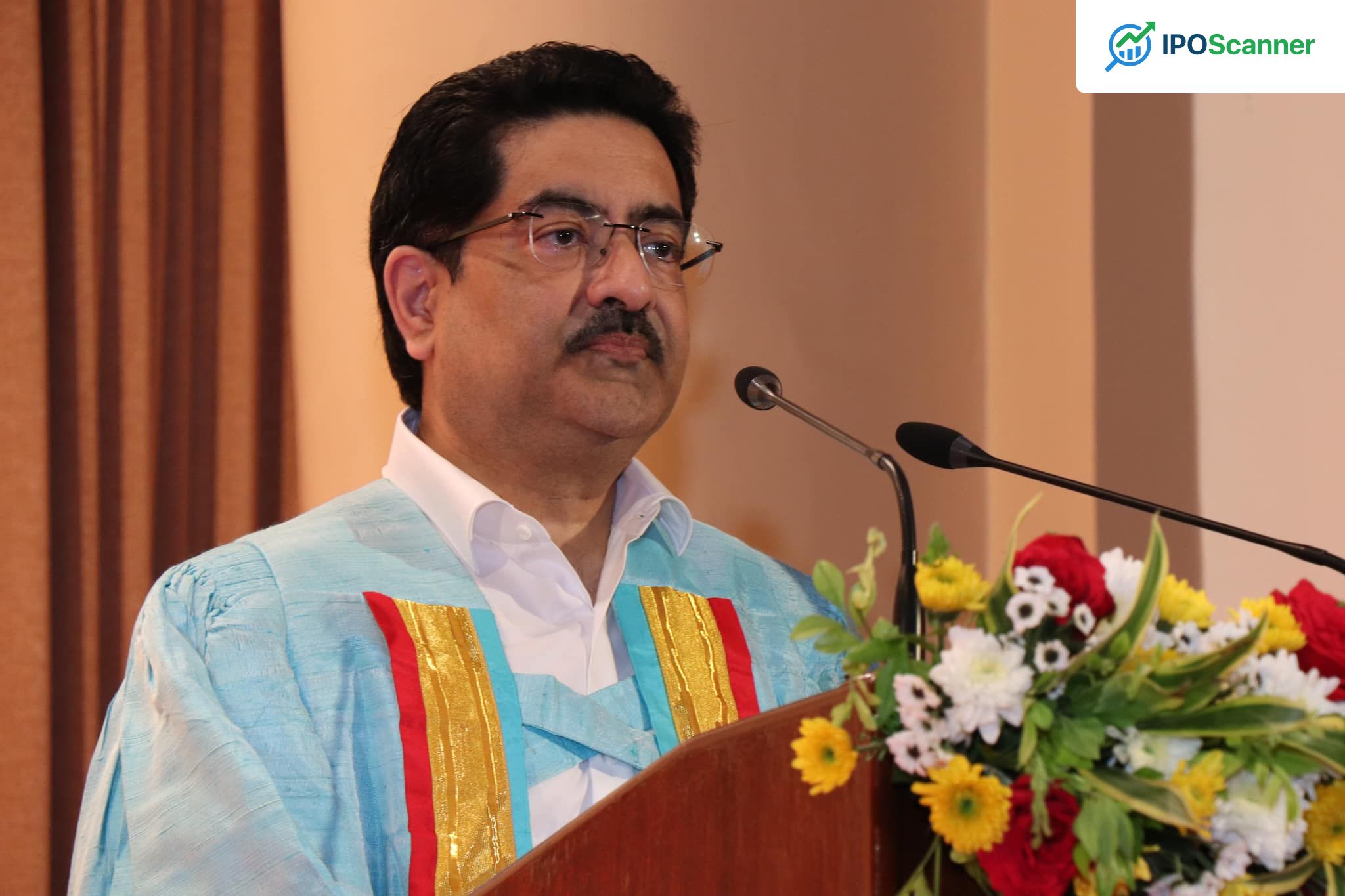
Kumar Mangalam Birla to Address Concluding Function of RSS Training Camp

The Cost of Healthcare: Why Predictability in Medical Inflation is Crucial for Health Insurance

Former Google Executive Warns AI Risks Stem from Human Misuse, Not Technological Limitations