GeneralMar 6, 2026
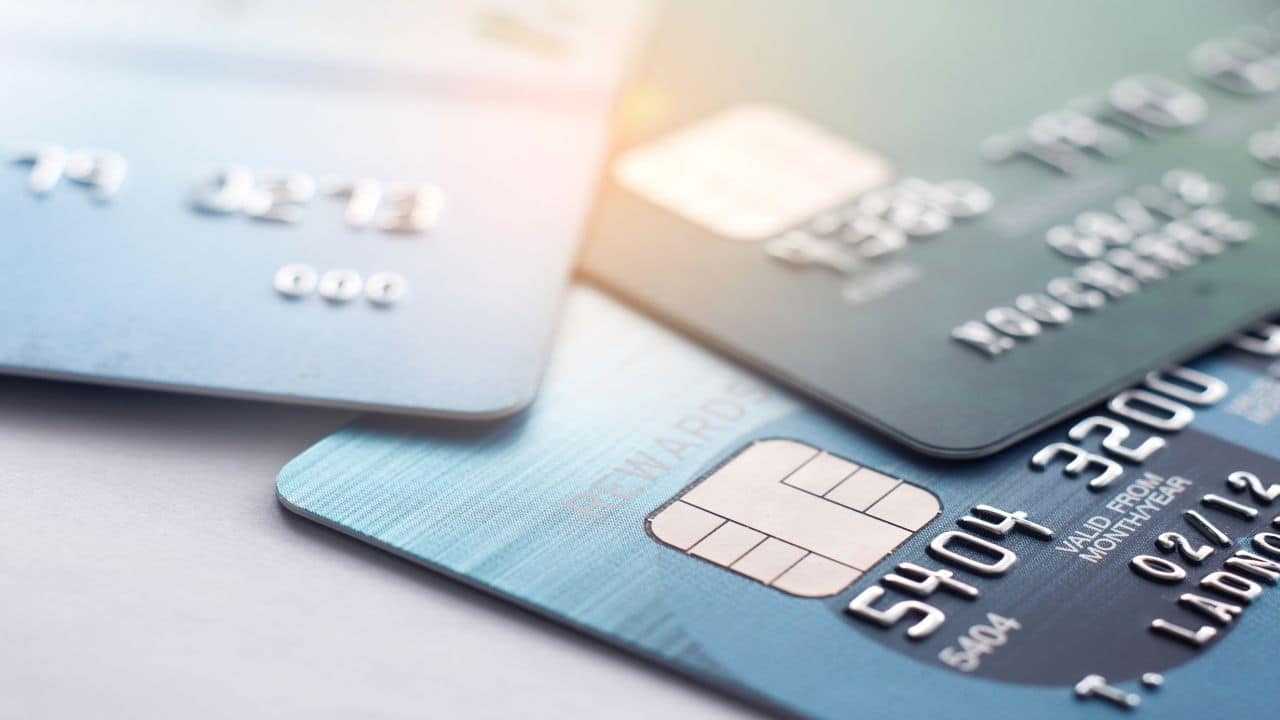
Understanding Secured Credit Cards and Their Typical Users
Secured Credit Cards: A Financial Tool for Those Starting Out or Rebuilding Credit
Key Features
- Secured credit cards require a fixed deposit to be placed with the bank, which serves as security for the card.
- The credit limit is usually linked to the deposit amount, with some flexibility depending on the bank's policy.
- The deposit remains locked while the card is active, and can be used to recover dues in case of non-payment.
Benefits for Those with No Credit History
- Secured credit cards are often used by individuals who have never borrowed before, such as students, young professionals, and those with limited financial history.
- Easy approval is typically granted due to the lower risk associated with the secured deposit.
Rebuilding Credit
- Secured credit cards can help individuals repair their credit history by allowing them to start fresh and rebuild their repayment record.
- Consistent and responsible use of the card can improve the credit score over time.
Responsible Use
Read also: Missing a Single EMI Payment Can Adversely Impact Credit Profile
- Secured credit cards are not prepaid cards, and borrowers must repay the amount spent on a monthly basis.
- Missed payments can result in interest and penalties, and the deposit only serves as protection for the bank.
Upgrading to a Regular Card
- Borrowers who use the card responsibly may become eligible for a standard unsecured credit card after a year or two.
- At this point, the fixed deposit can be withdrawn, and the borrower's improved credit history can make future credit approvals easier.
More in General
General·4h ago
Correcting Credit Score Errors: A Guide to Ensuring Accurate CIBIL Reports and Optimal Loan Eligibility

General·9h ago
Missing a Single EMI Payment Can Adversely Impact Credit Profile

General·10h ago
EPF Withdrawal Comes with Tax Implications: A Guide to Understanding the Consequences

General·10h ago
