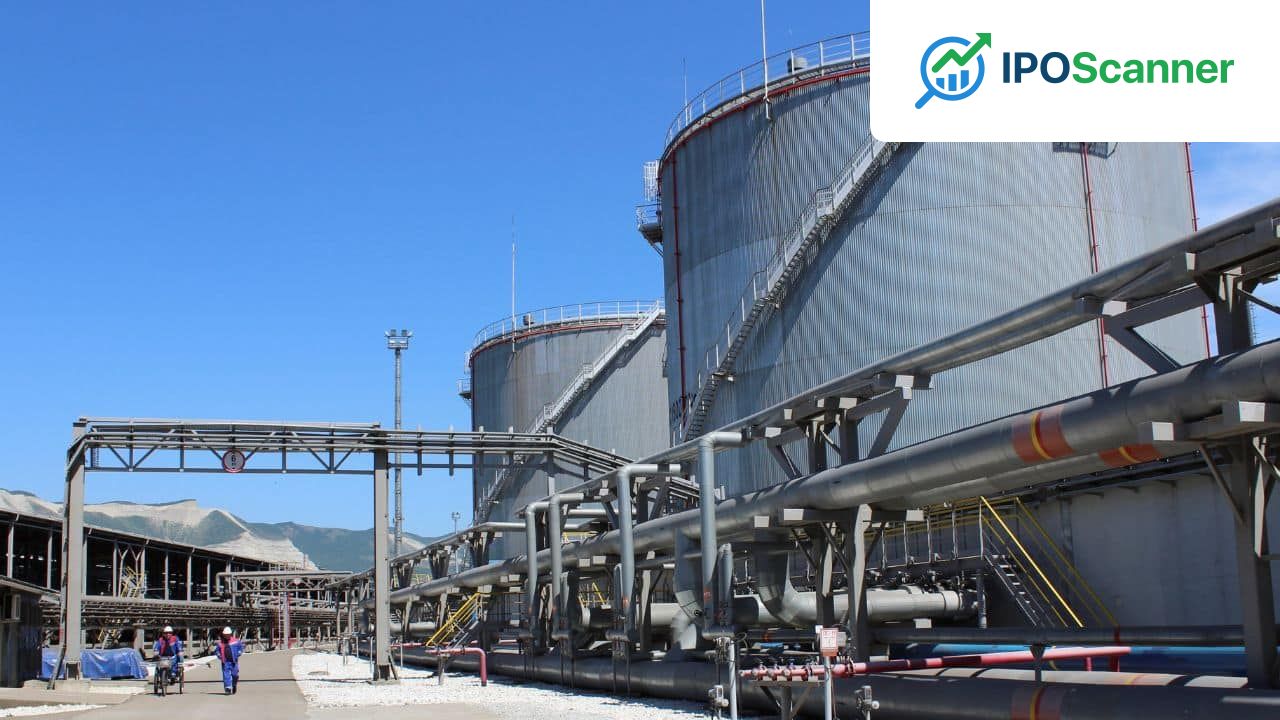
UAE Fuel Prices Face Significant April Increase Amid Global Oil Market Pressures
Fuel Prices in UAE to See Sharp Spike
Fuel prices in the United Arab Emirates (UAE) are expected to surge significantly from today, following a revision by the UAE Fuel Price Committee. The latest revision indicates that fuel prices will increase by 30-70 percent across categories. Diesel prices are likely to see the largest jump, with estimates suggesting prices could rise from approximately Rs 70 per litre to over Rs 120 per litre, reflecting the sharp increase in global energy costs.
The timing of the price increase is closely tied to the current situation in global oil markets. Much of the concern revolves around the Strait of Hormuz, one of the world's most critical oil transit routes, through which a significant share of global crude supply passes every day. Even partial disruption or the threat of it tends to drive up prices quickly, as buyers and traders begin to price in risk.
In recent weeks, crude prices have experienced not only a rise but also significant instability. There have been sharp swings within the day as markets react to ongoing developments in the conflict, shipping advisories, and updates from oil producers. This volatility directly feeds into UAE fuel pricing, as the country follows a monthly revision system based on international benchmarks rather than fixed domestic pricing.
Read also: Treasury Yields Experience Largest Increase in Two Weeks Following Release of Labor Market Data
As a major oil producer, the UAE does not artificially keep fuel prices low when global prices surge. Instead, domestic rates move in line with global crude and refining costs, which is what is now being reflected in the April revision.
The impact of the price increase is likely to be felt immediately on the ground. Higher diesel prices tend to push up logistics costs, affecting everything from grocery deliveries to construction. Transport operators, delivery services, and freight companies will see costs rise first, and this usually flows through to consumer prices over time.
There is also a wider regional angle to consider. Gulf countries have so far managed to keep supply flows relatively stable, but the longer uncertainty persists around shipping routes and insurance costs for tankers, the more pressure builds into the system. Even if actual supply isn't disrupted immediately, the cost of moving oil itself goes up.
Airlines and shipping companies are already closely watching fuel costs, and any sustained increase could translate into higher fares or freight charges in the coming months.
Read also: US-Iran Tensions Spark Uptick in Oil Prices Amid Global Market Decline
For now, everything hinges on how the situation evolves. If shipping through key routes remains constrained or risky, prices could stay elevated. If tensions ease and flows normalise, there could be some correction.
Comparison of Diesel Prices
| From | To |
|---|---|
| Rs 70 per litre | Over Rs 120 per litre |
At least for April, the direction is clear. Global uncertainty has made its way to local fuel pumps, and the adjustment is likely to be a sharp one.
Investor Takeaway
Investors should be cautious of potential price increases in the UAE due to global oil market pressures.
More in Economy

Treasury Yields Experience Largest Increase in Two Weeks Following Release of Labor Market Data

US-Iran Tensions Spark Uptick in Oil Prices Amid Global Market Decline

MoSPI Releases Uniform Norms for DDP Estimates with 2022-23 Base Year

