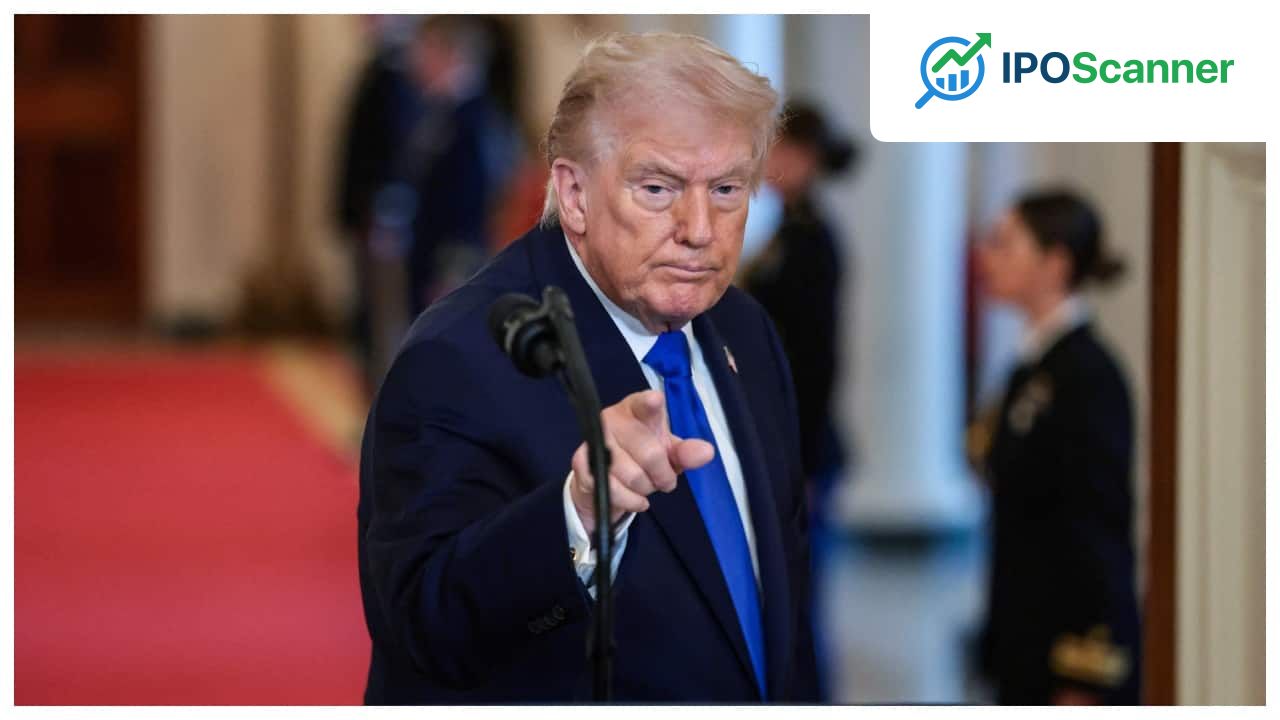
Trump's Approach to Iran Raises Questions Over Negotiation Tactics vs. Narrative Control
US-Iran Talks on the Brink of Resumption: A High-Stakes Diplomatic Dance
The diplomatic landscape around a second round of US-Iran talks appears to be accelerating, with some form of negotiations potentially resuming soon this week. This development underscores both the urgency and fragility of the situation in equal measure. The momentum behind these talks is neither accidental nor entirely organic, but rather a direct response to a signal from Donald Trump, who has framed the upcoming engagement in stark, almost ultimatum-like terms.
The United States has characterised the talks as Iran's "last chance," attempting to seize narrative control and impose a sense of inevitability on the process. This has been matched by an escalation on the military front, with US forces intercepting an Iranian-flagged cargo ship in the Gulf as part of its naval blockade. While this signalling is meant to coerce movement from Tehran, it also betrays a certain impatience within the US system, acknowledging that the current trajectory, marked by maritime tensions and nuclear ambiguity, is unsustainable.
Pakistan's role in this diplomatic dance is neither incidental nor purely facilitative. By actively positioning itself as a mediator, Islamabad is seeking to leverage its geography into geopolitical relevance. The notion of an "Islamabad Process 2.0" reflects an ambition to institutionalise this role, even if the structural asymmetries between the United States and Iran limit how far any mediator can shape outcomes. Pakistan's motivations are layered, with a broader strategic calculus at play, including a stabilised Gulf region serving its economic and security interests.
Read also: Patna Coaching Centre Owner Seeks Anticipatory Bail Over Vandalism Allegations
The involvement of regional actors such as Turkey adds another dimension to the negotiations. Ankara's quiet engagement in back-channel efforts underscores a broader trend: middle powers are increasingly stepping into mediation roles in conflicts where great power rivalry has produced stalemate. This diffusion of diplomatic agency reflects both opportunity and limitation, with additional interlocutors potentially helping to bridge gaps, but also complicating coordination, particularly when their own strategic interests are in play.
However, the structural constraints remain stubbornly intact. Tehran has been explicit in its position, insisting on a framework of understanding before engaging in formal talks. This insistence reflects a deeper mistrust of US intentions, shaped by past experiences where negotiations were perceived to have been used as instruments of pressure rather than pathways to resolution. Iran's critique of American "maximalism" points to a fundamental asymmetry in expectations, one that has historically derailed similar efforts.
The core sticking points have not evolved in any meaningful way. The United States continues to push for a long-term suspension of Iran's nuclear programme, reportedly extending up to two decades, while Iran is unwilling to concede such strategic depth. Similarly, the demand for the full and unconditional reopening of the Strait of Hormuz without Iranian interference cuts directly against Tehran's leverage in the current crisis. Sanctions relief, always the central currency in US-Iran negotiations, remains contested in both scope and sequencing.
| US Demands | Iran's Position |
|---|---|
| Long-term suspension of Iran's nuclear programme (up to 20 years) | Unwilling to concede strategic depth |
| Full and unconditional reopening of the Strait of Hormuz | Seeks to maintain leverage in the current crisis |
| Sanctions relief in scope and sequencing | Contested in both scope and sequencing |
Read also: NASA Activates Emergency Response Plan Following ISS Leak Incident
Compounding these challenges is the escalation in rhetoric from Washington, with threats targeting Iranian infrastructure potentially reinforcing Iranian perceptions of hostility. In such an environment, diplomacy becomes less about mutual accommodation and more about managing escalation, a far narrower and more fragile objective.
What lends urgency to this moment is the ticking ceasefire clock, which is approaching its expiration on April 22, creating a compressed timeline within which diplomacy must deliver at least the semblance of progress. This temporal pressure produces a familiar paradox, with both sides having incentives to engage, if only to avoid a return to open confrontation, while the impending deadline enhances each side's bargaining leverage, making concessions harder to extract.
In this sense, the likely resumption of talks is less a breakthrough than a necessity imposed by circumstance. The question is not whether the parties will meet – they almost certainly will – but what they can realistically achieve within the constraints they face. A comprehensive agreement remains unlikely in the near term, and the more plausible outcome is a limited understanding that extends the ceasefire, perhaps accompanied by incremental confidence-building measures.
For regional actors and global markets alike, the stakes are considerable. Energy flows through the Strait of Hormuz remain a critical variable in global economic stability, and even the perception of disruption can trigger volatility. Beyond economics, the broader geopolitical implications are significant, with a failure of talks potentially accelerating regional polarisation, while even a modest success could reinforce the utility of mediated engagement in crisis management.
The coming few days, therefore, are not just about the resumption of dialogue. They are about testing whether diplomacy, under pressure and amid deep mistrust, can still serve as a mechanism for stabilisation. In a region perpetually prone to cycles of escalation, even that would count as a modest, but meaningful, achievement.
More in General

Patna Coaching Centre Owner Seeks Anticipatory Bail Over Vandalism Allegations
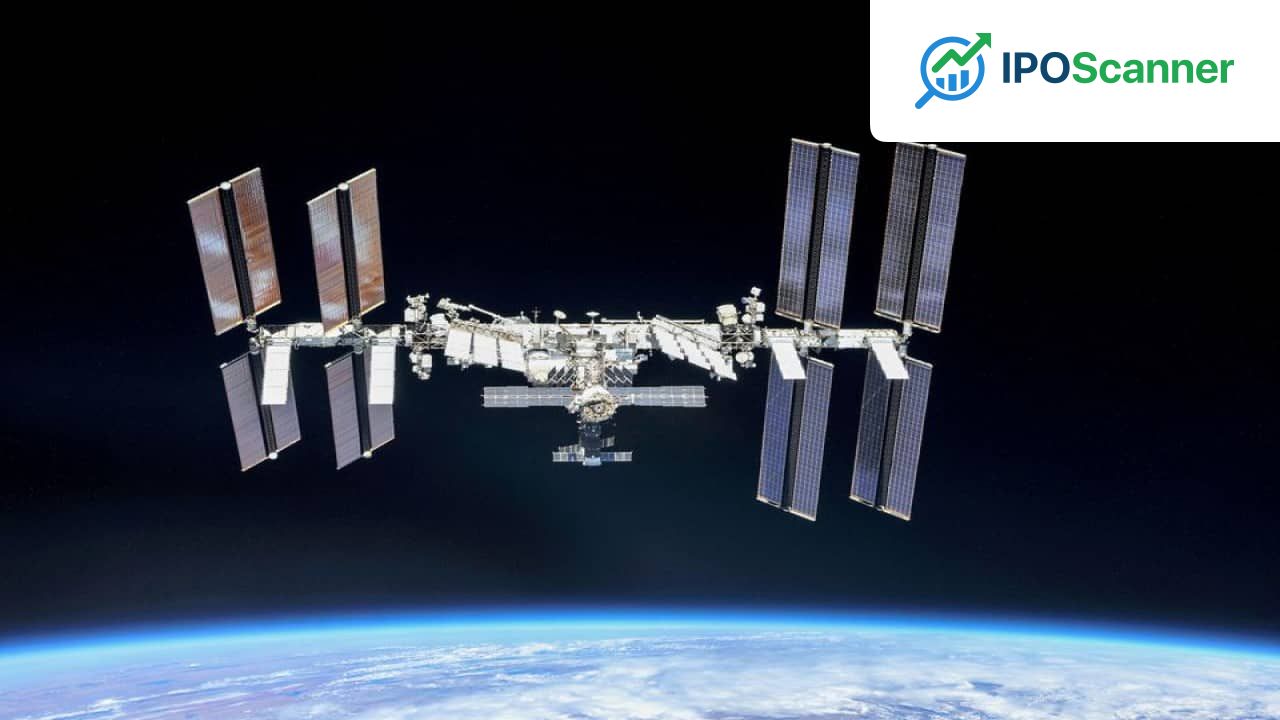
NASA Activates Emergency Response Plan Following ISS Leak Incident
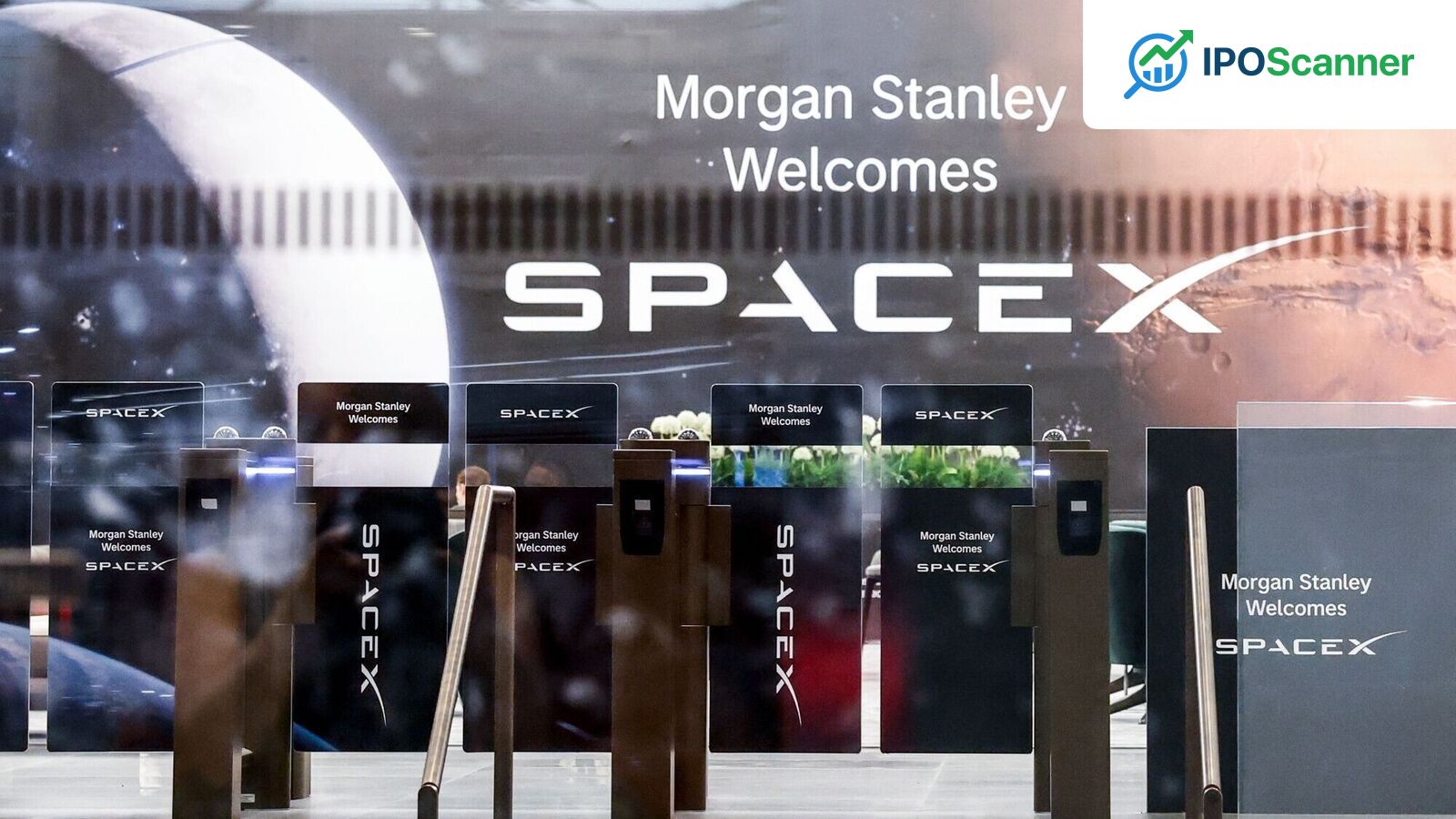
SpaceX's IPO Faces Challenges Over Environmental and Resource Concerns