Trump-Xi Summit in Beijing: A Test of Image and Crisis Management
US President Donald Trump Embarks on State Visit to China Amid Global Turbulence
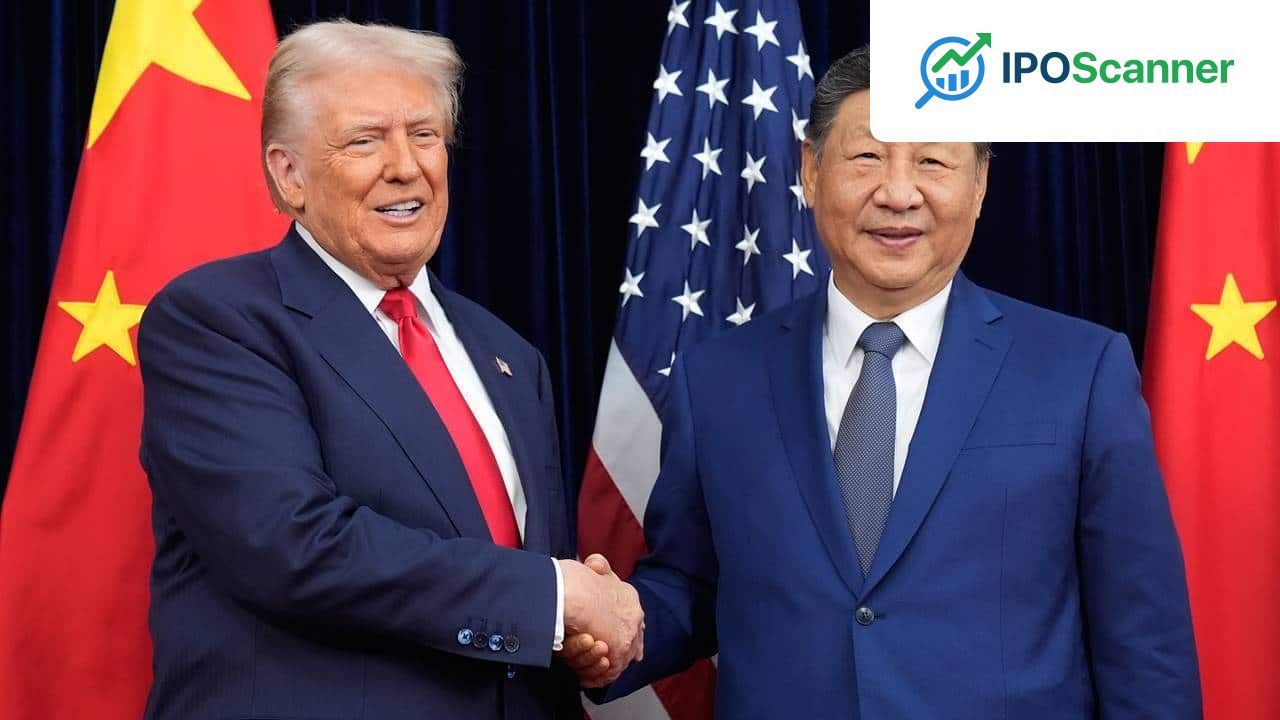
US President Donald Trump's state visit to China on May 14-15 marks the first visit by a sitting American president to China in nearly nine years. The last such China visit was in 2017, with no visit during the Biden presidency due to Covid restrictions and related discord in the bilateral relationship.
The current Trump-Xi meeting comes at a time when considerable turbulence exists in many parts of the world, triggered by the unprovoked Israel-US war against Iran and the festering Russia-Ukraine war. This backdrop has led to growing despondency that the US has abdicated its role as a responsible hegemon, while China aspires to equal and overtake America but is unwilling to assume a significant role that contributes to the greater global good.
Both the US and China seek to manage their rivalry
Read also: Kumar Mangalam Birla to Address Concluding Function of RSS Training Camp
The summit occurs amid ongoing US-China strategic rivalry, but both sides aim for short-term stability and high-visibility 'deals' rather than a full bilateral reset that would lead to a stable and predictable long-term relationship. Trump is accompanied by high-profile US business leaders, including CEOs like Elon Musk and Tim Cook, signaling a strong economic focus and perhaps a lesser emphasis on security and strategic issues.
In summary, the Trump visit to Beijing is more about damage control and optics rather than resolution of any macro issues. The summit will have considerable relevance for India, which has been buffeted by an unpredictable and impulsive US President.
Energy Security and India's Stake in the Summit
The Trump tariffs and penalties imposed for importing hydrocarbons from Russia and Iran have inhibited India, further exacerbated by the impasse in the Strait of Hormuz. The negative impact on energy security and downstream sectors such as fertilizers and food production will severely challenge human security indicators in India in the course of the year.
Read also: The Cost of Healthcare: Why Predictability in Medical Inflation is Crucial for Health Insurance
Comparison of US-China Energy Interests
| US | China | |
|---|---|---|
| Iranian Oil Imports | Significant quantities | Significant quantities |
| Dependence on Energy Routes | High | High |
| Interest in Hormuz Reopening | High | High |
The Trump-Xi meeting will have a vested interest in reopening the strait, as both sides have a significant stake in energy security. President Trump wants Chinese leverage on Iran to help reopen the strait with an assurance that Beijing will not support Tehran militarily. China imports significant quantities of Iranian oil and seeks stability for its energy needs without appearing to align fully with the US position.
India's Relations with the US and China
The summit's larger strategic outcome will have a greater impact on India. The G2 exigency – where the US and China reach a consensual modus vivendi on bilateral, regional, and global challenges – would reduce India's relevance as a swing state in the critical triangular relationship between the US, China, and India. The flip side is that any sharp escalation in US-China discord would compel India to pick sides more emphatically, which would not be a desirable outcome for Delhi at this stage.
The most preferred scenario is the 'Goldilocks' outcome: just enough US-China cooperation to avoid global shocks but sustained competition that burnishes India's role. India needs to be nimble to cope with the current situation, as the war against Iran and Delhi's orientation towards the US, Israel, and the Gulf allies has eroded India's traditional non-aligned status. This has adversely impacted the perception about India in the global South and its locus in the BRICS group.
For India, the Beijing meeting underscores the need for nimble and sagacious foreign policy to safeguard energy, trade, and strategic autonomy amidst great-power manoeuvring.
More in General

Kumar Mangalam Birla to Address Concluding Function of RSS Training Camp

The Cost of Healthcare: Why Predictability in Medical Inflation is Crucial for Health Insurance

Former Google Executive Warns AI Risks Stem from Human Misuse, Not Technological Limitations