
Trinamool Congress Faces Existential Crisis Following Devastating Election Defeat in Bengal
West Bengal's Ruling Trinamool Congress Faces Existential Crisis
On a humid Saturday evening, barely hours after Suvendu Adhikari took oath as West Bengal's first BJP chief minister at the Brigade Parade Grounds, the mood at several Trinamool Congress (TMC) offices across the state was marked by disbelief and unease.
At a party office in south Bengal, workers sat silently before television screens replaying saffron celebrations. Tea cups remained untouched and conversations repeatedly returned to one question: what remains of the political machine Mamata Banerjee built over the past 28 years — the first 13 years in opposition and the last 15 years in power? For the TMC, the crisis unfolding now is no longer merely electoral. It is structural, psychological and existential.
The first signs of internal strain surfaced almost immediately after the verdict. Leaders who defended the party leadership until days ago have begun speaking in divergent voices, exposing fault lines long buried beneath uninterrupted electoral dominance.
Read also: Kumar Mangalam Birla to Address Concluding Function of RSS Training Camp
Veteran TMC leader Asit Mazumdar accused sections of the leadership of arrogance and administrative paralysis, alleging that factional rivalries stalled governance and development projects. Senior MP Kalyan Banerjee blamed political consultant I-PAC and spoke of “sabotage” within the organisation.
| TMC Leader | Accusation |
|---|---|
| Asit Mazumdar | Arrogance and administrative paralysis |
| Kalyan Banerjee | I-PAC-driven electoral management and sabotage |
The rebellion remains scattered, but Bengal's political history suggests such moments often signal the beginning of deeper churn.
The TMC functioned less like a conventional party and more like a tightly centralised political ecosystem revolving around one axis: Mamata Banerjee. Candidate selection, welfare messaging and organisational control flowed downward through a structure where loyalty often outweighed institutional autonomy.
Read also: The Cost of Healthcare: Why Predictability in Medical Inflation is Crucial for Health Insurance
That model delivered electoral returns for years, helping Banerjee dismantle the 34-year Left Front regime in 2011 and survive successive waves of anti-incumbency. But the same centralisation has now emerged as TMC's biggest vulnerability.
| Years | TMC's Electoral Performance |
|---|---|
| 2004 | Reduced to a single Lok Sabha seat |
| 2006 | Won barely 30 seats in the assembly polls |
| 2011 | Swept to power, ending the 34-year Left Front regime |
The party's structure depended heavily on uninterrupted access to power. Once that chain weakens, fragmentation becomes inevitable, according to political analyst Biswanath Chakraborty.
Mamata Banerjee remains TMC's tallest mobiliser and only leader with mass emotional resonance cutting across regions and social blocs. But, the terrain confronting her now is different from the years of Singur and Nandigram that fuelled her rise.
At 71, Banerjee carries the baggage of 15 years in office — recruitment scams, corruption allegations, bureaucratic fatigue, factional rivalries and resentment against sections of the party's local leadership.
The poll verdict appears to have punctured the aura of inevitability that surrounded the TMC since 2011. Leaders are already scared that municipalities and panchayats may witness defections in the coming months.
The spotlight is also on TMC national general secretary Abhishek Banerjee, who increasingly finds himself at the centre of the storm after the defeat. Over the past few years, he transformed into the party's principal organisational strategist and de facto second-in-command.
But, the scale of the defeat has also turned that centralisation into a political liability. Sections within the party are openly questioning his style of functioning, aggressive organisational restructuring and dependence on consultant-driven political management.
Mamata Banerjee's appeal on Saturday for opposition parties, including the Left, to unite against the BJP underlined both political realism and shrinking room for manoeuvre.
For the TMC, however, the challenge ahead is no longer merely about returning to power, but about preventing Bengal's once-dominant political machine from slipping into organisational drift after the aura of inevitability has cracked.
More in General
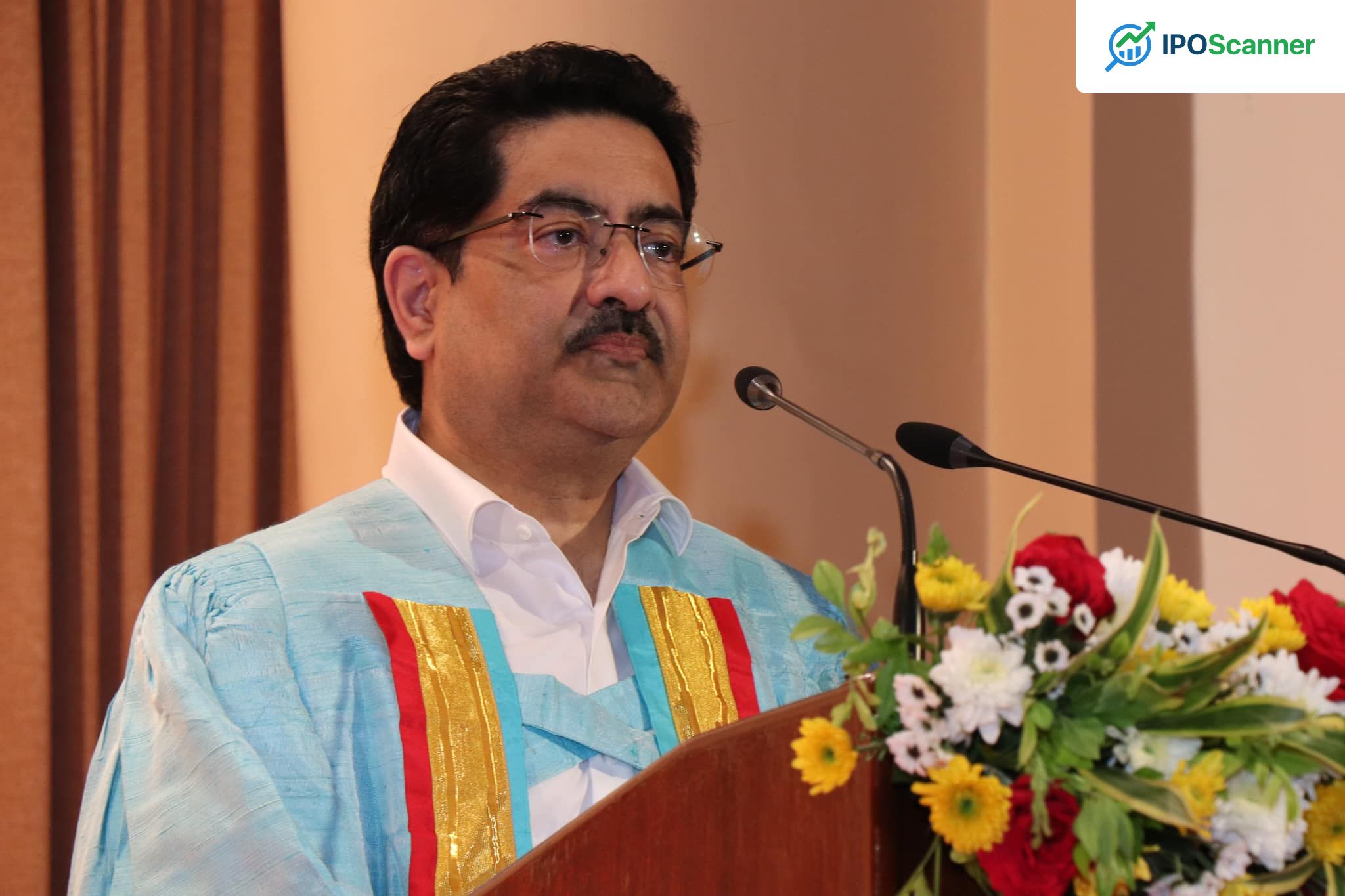
Kumar Mangalam Birla to Address Concluding Function of RSS Training Camp

The Cost of Healthcare: Why Predictability in Medical Inflation is Crucial for Health Insurance

Former Google Executive Warns AI Risks Stem from Human Misuse, Not Technological Limitations