GeneralMar 26, 2026
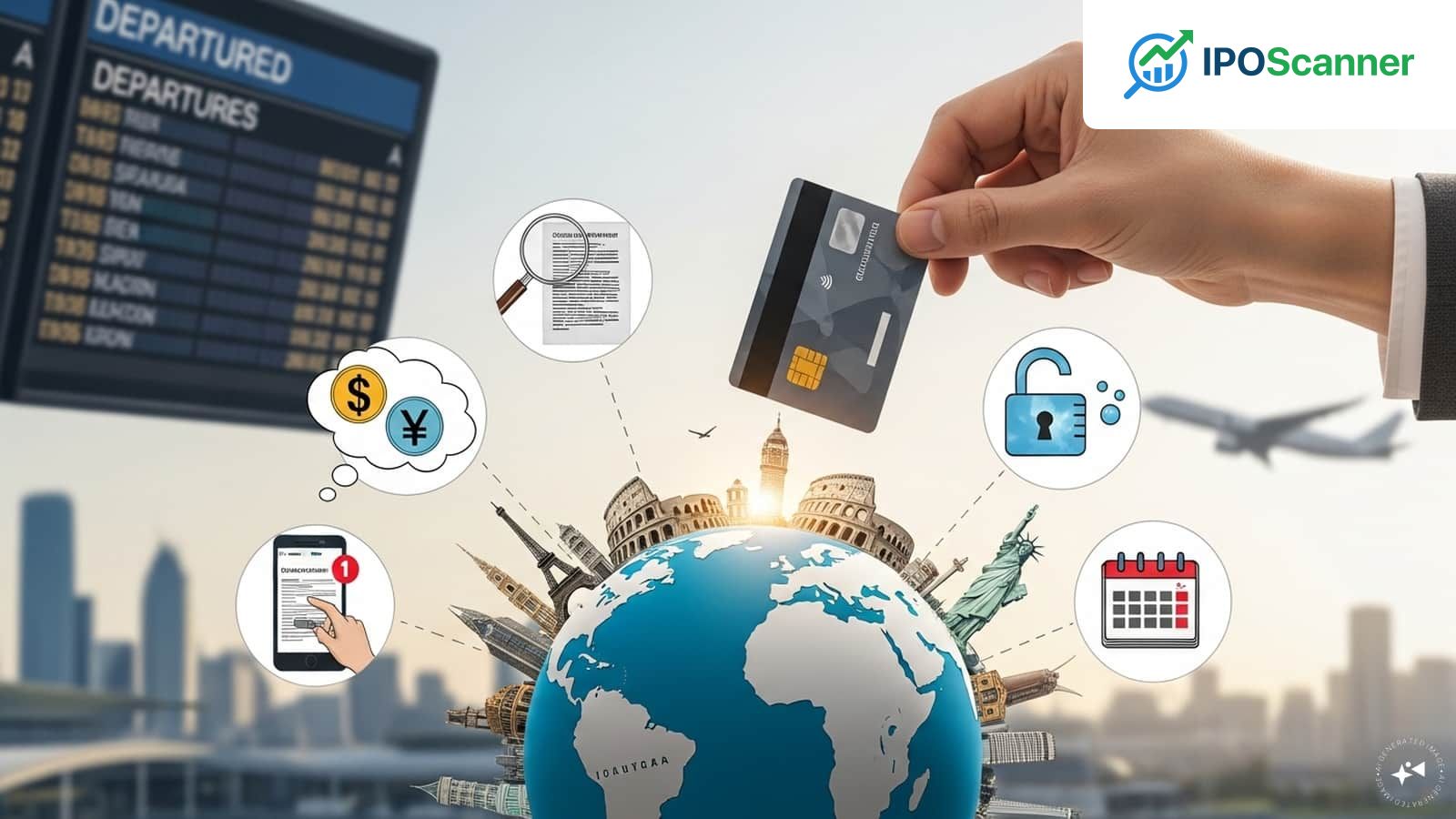
Traveling Abroad with Credit Cards: Essential Considerations for International Transactions
International Credit Card Transactions: Understanding the Hidden Costs
Key Points:
- Foreign Exchange Markup: 2% to 3.5% of transaction value
- GST: 18% on applicable fees (markup and processing)
- Network/Processing Fee: Up to 1% of transaction value
Risks and Downsides of Relying Heavily on Credit Cards:
- High Interest Rates: 36% to 48% annually, compounding quickly
- Regulatory Scrutiny: Violation of FEMA regulations for high-value transactions
- Exchange Rate Uncertainty: No rate lock-in until transaction settles
- Cash Flow Impact: TCS-exempt physical card spends, but 2% TCS on overseas payments above Rs 10 lakh
Best Practices for International Credit Card Transactions:
- Avoid Large Purchases: Property and overseas investments must be routed through authorized banking channels
- Pay in Local Currency: To avoid Dynamic Currency Conversion (DCC) fees
- Watch for Hidden Charges: Forex markup, processing fees, and GST can increase bill by 4% to 5%
- Use Zero-Forex-Markup Cards: For routine expenses and to minimize costs
- Balance Credit Card Usage: Use selectively for security and rewards, paired with zero-forex-markup travel cards
Investor Takeaway
Avoid using credit cards for large purchases or property investments abroad due to high fees and regulatory risks.
More in General
General·4h ago
Correcting Credit Score Errors: A Guide to Ensuring Accurate CIBIL Reports and Optimal Loan Eligibility

General·10h ago
Missing a Single EMI Payment Can Adversely Impact Credit Profile
General·10h ago
EPF Withdrawal Comes with Tax Implications: A Guide to Understanding the Consequences
General·10h ago
