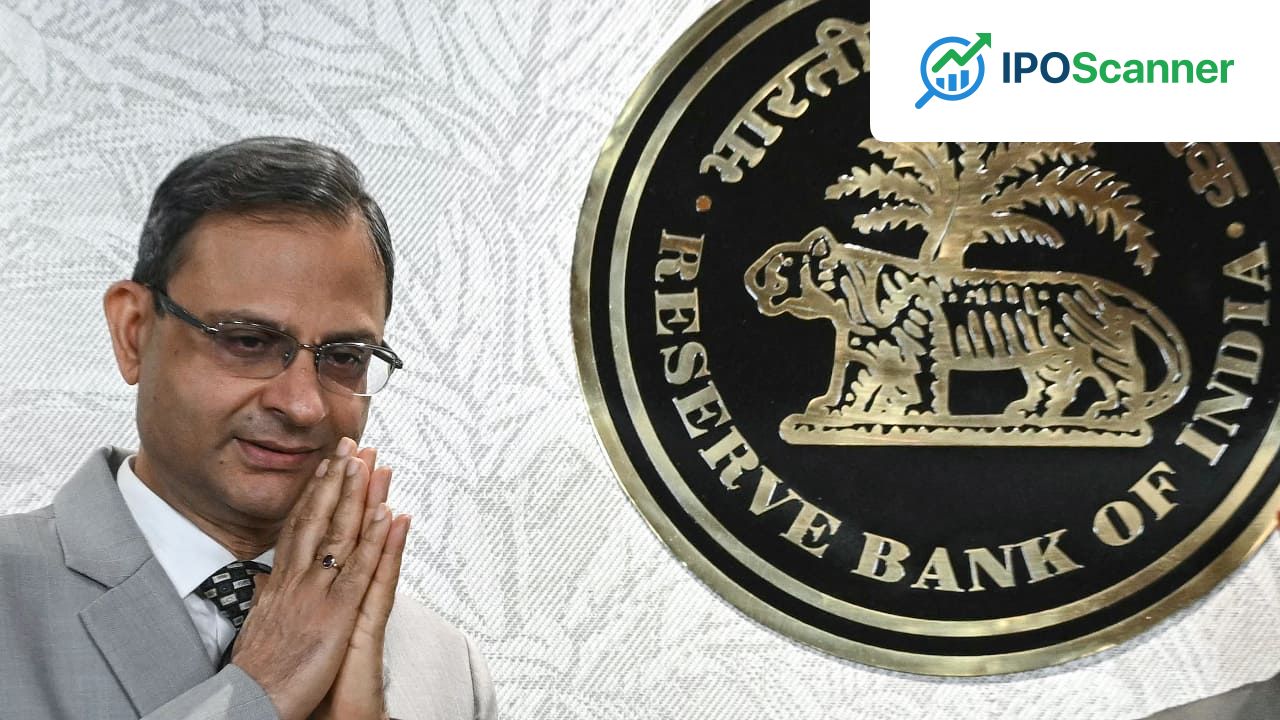
The Indian Rupee Hits 100 Against the US Dollar: A Milestone in Economic Turmoil
India's Rupee Depreciation: A Routine Adjustment or a Cause for Alarm?
The Indian Rupee's (INR) potential approach to levels of around 100 to the US Dollar (USD) in the coming weeks has sparked unnecessary alarm in certain circles. Headlines scream crisis, opposition voices target the Modi government, and social media amplifies fears of economic collapse. However, a closer look at economic history, fundamentals, and global context reveals this as a largely routine adjustment rather than any policy failure.
The Rupee has depreciated at an average rate of roughly 4-6% per year over decades due to structural factors like inflation and interest rate differentials. India's robust foreign exchange reserves, strong GDP growth, and external balances under the Modi government provide a solid buffer. Panic is unwarranted, and politicizing currency movements distracts from long-term reforms that PM Modi is committed to.
India's Foreign Exchange Reserves: A Solid Buffer
Read also: India Considers Changes to Bilateral Investment Treaties to Enhance Investor Appeal
India's foreign exchange (forex) reserves stand at a hefty $688.89 billion as of the week ending May 15, 2026. The Reserve Bank of India (RBI) manages these funds, which are composed of multiple assets to safeguard the economy and ensure import cover. The total reserves are distributed across the following key components:
| Component | Amount (in billions of USD) |
|---|---|
| Foreign Currency Assets (FCA) | $551.89 |
| Gold Reserves | $115.00 |
| Special Drawing Rights (SDRs) | $18.78 |
| Reserve Position in the IMF | $4.86 |
A Long-Term Trend: Currency Depreciation
Currency depreciation is not new for the Indian Rupee. In 1947, at independence, 1 USD was worth about 3.3 INR. By the early 1990s, it had crossed 17, reached around 45 by 2000, hovered over 60 when the Modi government took over in 2014, and now stands around 95-96 levels against USD, as of May 2026. This reflects a consistent, long-term trend driven by productivity gaps and the dollar's status as the global reserve currency.
Read also: Reserve Bank of India Maintains Interest Rate, Implications for Fixed Deposit Investments
A Normal Annual Depreciation of 4-6%
Annual depreciation has averaged 4-6% in many periods. For instance, from 2014 to around 2024-25, the move from 60 to 83-85 represented cumulative weakening consistent with this pace. Recent pressures pushed it towards 96, but this is not unprecedented volatility. The recent pressure on INR has mostly to do with the West Asia crisis, which has led to an impasse around the Strait of Hormuz, impacting oil-importing countries like India disproportionately.
A Strong Economy with Robust Fundamentals
India's economy has grown at 7.3-7.6% in recent years despite depreciation pressures, outpacing most major economies. This resilience stems from domestic consumption, reforms (GST, insolvency code & labor laws), digital infrastructure (UPI, Aadhaar), and infrastructure push. RBI intervenes judiciously, using reserves sparingly. Despite global fuel price volatility, thanks to our strategic petroleum reserves, renewable push (solar capacity, EVs), and diversification of imports, our external finances are in fine fettle.
FDI Remains Healthy
FPI outflows during risk-off periods (US rate hikes, geopolitical tensions like Middle East conflicts) strengthen the dollar. In 2026, factors like oil prices shooting above $100/barrel amidst tensions, US policy uncertainty, and tariff issues contributed. Yet, FDI remains relatively stable and India attracts long-term investment due to its growth story, with our gross FDI inflows at a hefty $95bn in FY 2025-26.
Gradual Depreciation is Normal and Manageable
Emerging economies often see depreciating currencies. This is not unique to India. The Rupee's movement helps maintain export edge in textiles, pharma, gems, and IT. The Modi government's era has seen improvements – forex reserves more than doubled from $341 billion in FY15 to between $689-728 billion by 2026, providing 11-12 months of import cover. CAD narrowed significantly. External debt to GDP ratio remains moderate at 19.4%. These buffers allow orderly adjustment rather than crisis.
India's Story Under Modi: A Journey of Growth and Stability
India's growth story remains intact, with the economy outpacing most major economies. This resilience stems from domestic consumption, reforms, digital infrastructure, and infrastructure push. RBI intervenes judiciously, using reserves sparingly. Despite global fuel price volatility, our external finances are in fine fettle. Forex reserves act as a shock absorber. Compared to the 1991 crisis (reserves near zero), today's position is vastly stronger.
Conclusion
The Indian Rupee's potential approach to levels of around 100 to the USD in the coming weeks is a routine adjustment rather than any policy failure. India's robust foreign exchange reserves, strong GDP growth, and external balances provide a solid buffer. Panic is unwarranted, and politicizing currency movements distracts from long-term reforms that PM Modi is committed to. India's growth story remains intact, with the economy outpacing most major economies.
Investor Takeaway
Investors should not panic about the Indian Rupee's depreciation and focus on long-term reforms.
More in Economy

India Considers Changes to Bilateral Investment Treaties to Enhance Investor Appeal

Reserve Bank of India Maintains Interest Rate, Implications for Fixed Deposit Investments

Reserve Bank of India Maintains Repo Rate, Implications for Home Loan Borrowers