The Human Nose: Unraveling the Complexity of Odor Detection
Groundbreaking Research Reveals Hidden Map Inside the Nose
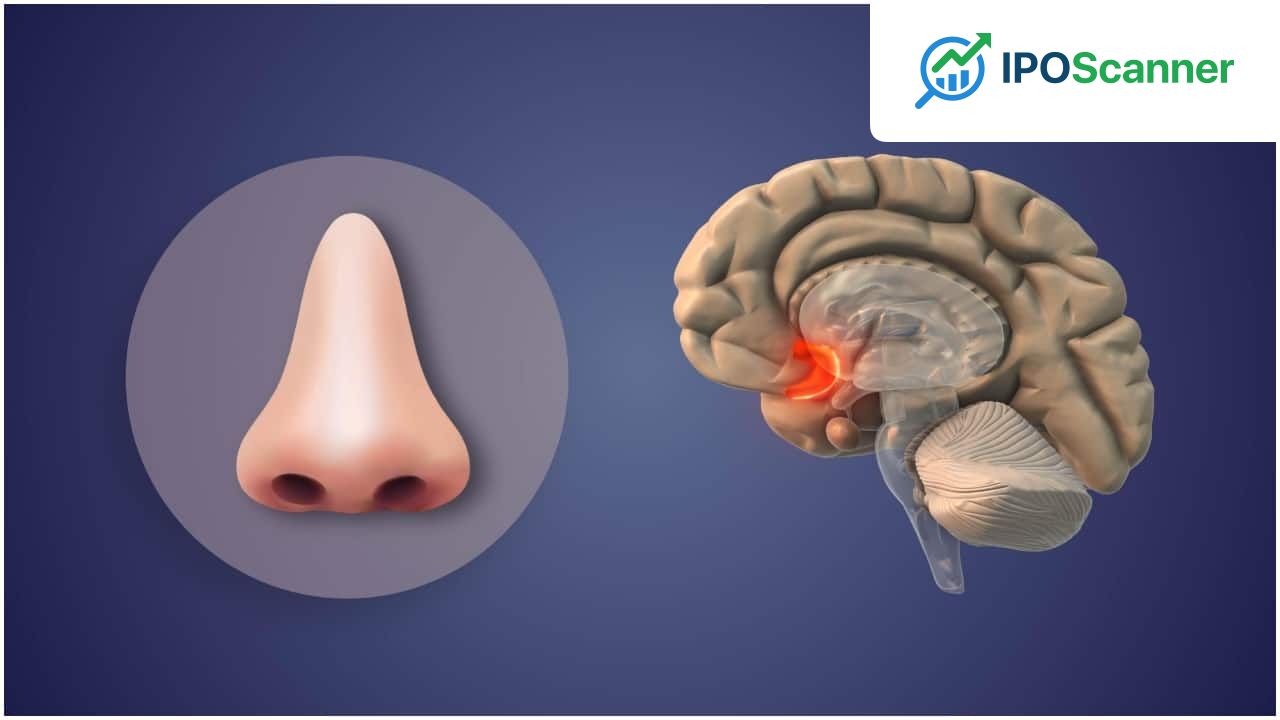
Scientists have made a significant discovery in the field of olfactory research, uncovering a highly organised "map" inside the nose that could transform our understanding of how smell works. Research published in the journal Cell, led by researchers at Harvard Medical School, shows that odour receptors are not randomly scattered, as previously believed, but arranged in precise horizontal stripes that align directly with maps in the brain's olfactory bulb.
Using advanced techniques such as single-cell sequencing and spatial transcriptomics, researchers analysed more than five million neurons from over 300 mice. This analysis revealed more than 1,100 distinct types of smell receptors organised in structured layers from the top to the bottom of the nasal cavity. For decades, biology textbooks described the sense of smell as largely disordered, with receptors distributed randomly within broad zones. The new research overturns this view, showing that each receptor type occupies a specific position, forming overlapping but highly ordered stripes.
The study found that this spatial arrangement in the nose matches a corresponding "map" in the olfactory bulb, the brain region responsible for processing smells. This organised connection between neurons with the same receptors to specific areas of the brain makes it possible to have a definite and direct route for odor detection.
Read also: Kumar Mangalam Birla to Address Concluding Function of RSS Training Camp
Researchers also discovered the importance of retinoic acid, a substance that helps with the organisation process. The variations of this substance serve as a positioning system, enabling each neuron to detect specific receptor types depending on their location within the nasal cavity.
This breakthrough brings the sense of smell in line with other senses such as vision and hearing, which rely on organised sensory maps. Scientists believe that this could help explain how the brain rapidly identifies and distinguishes thousands of different odours.
Although the work was conducted in mice, experts believe similar principles may apply to humans, whose olfactory systems share many features. The findings could pave the way for new treatments for smell disorders, including anosmia, which affects millions worldwide.
Comparison of Odour Receptor Organisation
Read also: The Cost of Healthcare: Why Predictability in Medical Inflation is Crucial for Health Insurance
| Study | Number of Neurons Analyzed | Number of Distinct Smell Receptors |
|---|---|---|
| Harvard Medical School Study | 5,000,000 | 1,100 |
| Previous Biology Textbook Model | - | - |
This new understanding of the sense of smell could have significant implications for the treatment of smell disorders and may lead to a greater understanding of how the brain processes smells.
More in General

Kumar Mangalam Birla to Address Concluding Function of RSS Training Camp

The Cost of Healthcare: Why Predictability in Medical Inflation is Crucial for Health Insurance

Former Google Executive Warns AI Risks Stem from Human Misuse, Not Technological Limitations