
Thalapathy Vijay Takes Oath as Tamil Nadu Chief Minister
Tamil Nadu Politics Shifts Focus as Vijay Prepares for Chief Minister Role
May 10, 2024, marks a significant day in Indian politics as actor-turned-politician Vijay is set to take oath as the Chief Minister of Tamil Nadu. This comes after his party, the Tamilaga Vettri Kazhagam (TVK), made a stunning electoral debut by winning 108 out of 234 Assembly seats, emerging as the single-largest party in the state Assembly.
Vijay's financial disclosures have sparked curiosity among many people, with his election affidavit filed with the Election Commission of India revealing assets worth around Rs 624 crore. This has led to questions about how the salaries and income of MPs, MLAs, and Chief Ministers are taxed in India.
Taxation Rules for Political Representatives
Read also: Kumar Mangalam Birla to Address Concluding Function of RSS Training Camp
The taxation rules for political representatives in India are governed by the Income-tax Act, 2025. According to Section 15 of the Act, any salary due from an employer or a former employer to an assessee in the previous year shall be chargeable to income-tax under the head Salaries. This interpretation was upheld by the Patna High Court in Lalu Prasad v. CIT, where the Court held that the office of the Chief Minister constitutes an employer-employee relationship for tax purposes.
For Chief Ministers, the remuneration is treated as "salary" and taxed under the head "Income from Salaries." This means that a Chief Minister is eligible for salary-linked deductions, including the standard deduction under Section 19, along with other applicable exemptions under Section 10, such as house rent allowance under Section 10(13A), where prescribed conditions are satisfied.
| Taxation of Salaries | Chief Ministers | MPs and MLAs |
|---|---|---|
| Tax Head | Income from Salaries | Income from Other Sources |
| Employer-Employee Relationship | Yes | No |
| Deductions | Salary-linked deductions | Expenditure expended wholly and exclusively for the purpose of making or earning the remuneration |
The remuneration received by MPs and MLAs is not taxable as "Salaries" but taxable as "Income from Other Sources." This is because an MP/MLA is not considered an employee of the Government, as clarified in the Lok Sabha Bulletin (Part II) dated November 12, 2024, and upheld by the Rajasthan High Court in CIT v. Shiv Charan Mathur.
Read also: The Cost of Healthcare: Why Predictability in Medical Inflation is Crucial for Health Insurance
MPs and MLAs can claim a deduction from income for any expenditure expended wholly and exclusively for the purpose of making or earning the remuneration as MP/MLAs. This could include office expenses or secretarial assistance not covered by exempt allowances.
More in General
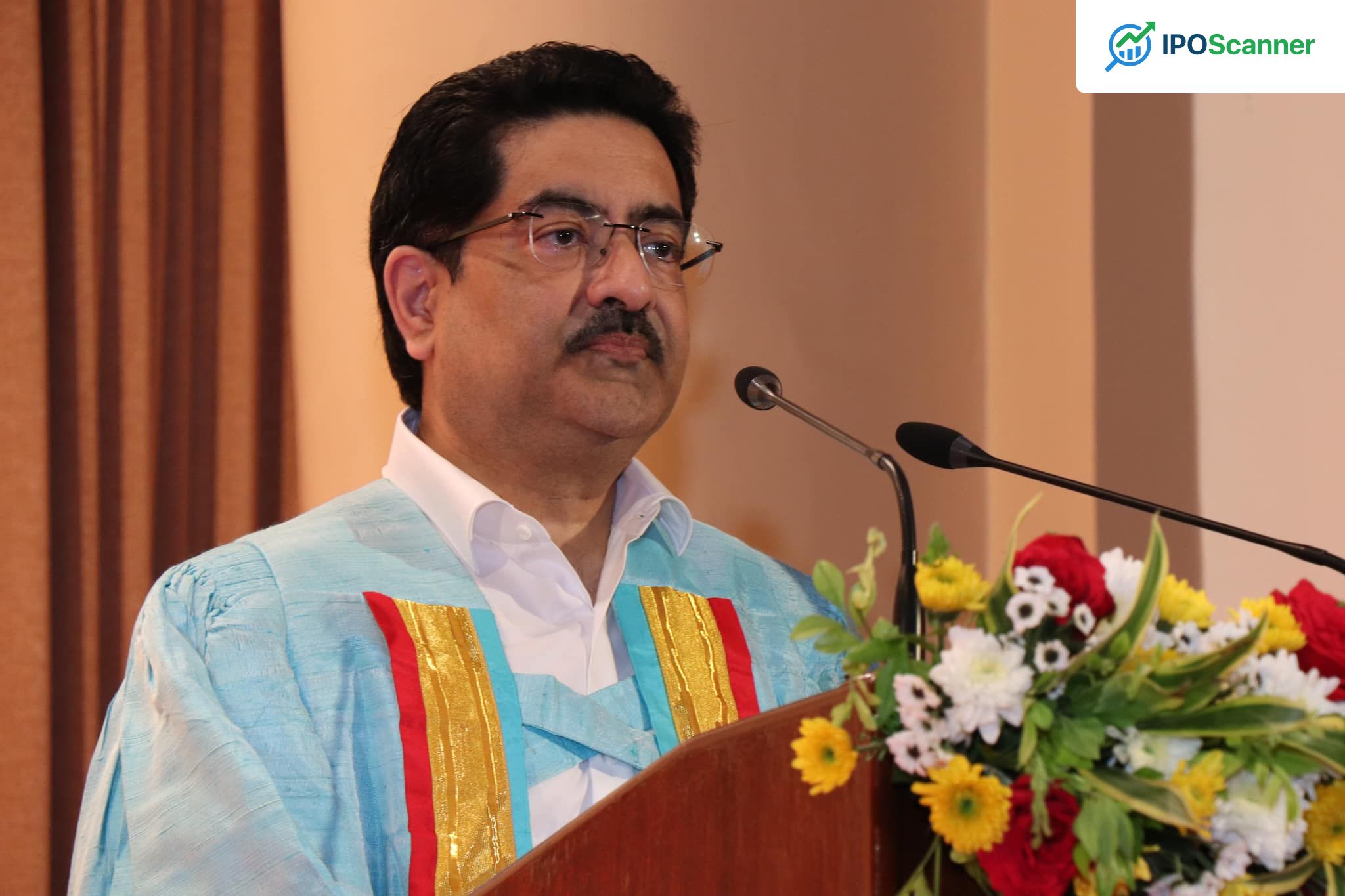
Kumar Mangalam Birla to Address Concluding Function of RSS Training Camp

The Cost of Healthcare: Why Predictability in Medical Inflation is Crucial for Health Insurance

Former Google Executive Warns AI Risks Stem from Human Misuse, Not Technological Limitations