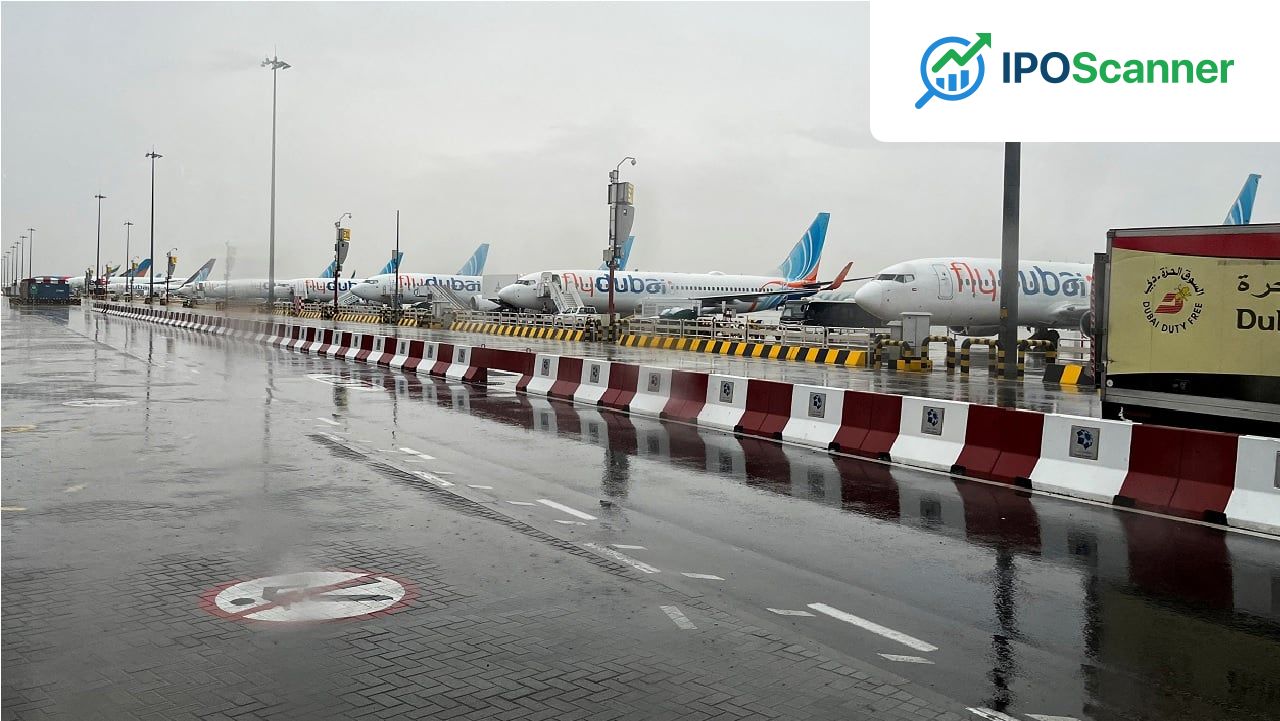
Tensions in the Middle East Disrupt Global Air Travel: 75% of Gulf Flights Grounded
Indian Airline Disruption: Gulf Flights Cancelled
Key Statistics:
- 72%: Proportion of flights cancelled by Indian carriers to the Gulf region since February 28
- 2,400: Number of flights scrapped by Air India, Air India Express, IndiGo, Akasa Air, and SpiceJet
- 3,300: Scheduled services to the Gulf region operated by Indian carriers
- 35-45%: Proportion of international available seat kilometres (ASK) contributed by West Asia to IndiGo's traffic
- 40%: Proportion of international traffic from the Gulf region for SpiceJet
- 80%: Proportion of overseas operations from the Gulf region for Akasa Air
- 7%: Depreciation of the rupee in FY26
Impact on Indian Carriers
Read also: Treasury Yields Experience Largest Increase in Two Weeks Following Release of Labor Market Data
The ongoing Iran war has disrupted connectivity and revenue streams for Indian carriers, particularly those reliant on the Gulf region. Air India, Air India Express, IndiGo, Akasa Air, and SpiceJet have cancelled around 2,400 flights, about 72% of their scheduled services to the Gulf region since February 28. The Gulf region accounts for nearly half of the country's international passenger traffic, making the disruption particularly severe.
Regional Dependence
The United Arab Emirates (UAE) remains the biggest market for Indian carriers, with over 12.1 million passengers travelling from India in 2025 alone. Saudi Arabia, Oman, Kuwait, Bahrain, and Qatar are also key Gulf markets. The reliance on these routes has magnified the disruption caused by the war.
Operational Challenges
Read also: US-Iran Tensions Spark Uptick in Oil Prices Amid Global Market Decline
The operational disruption has been compounded by a sharp rise in jet fuel prices and longer flight paths due to airspace restrictions, increasing fuel burn and flying time. While airlines have introduced fuel surcharges, these remain insufficient to offset the surge in costs. Brokerage estimates suggest that the fuel surcharge is a small component in the overall cost structure, and a full pass-through would make air travel prohibitively expensive.
Currency Devaluation
The weakening rupee has also added to the strain on Indian carriers, inflating expenses for airlines with significant dollar-linked costs such as aircraft leases, maintenance, spare parts, debt servicing, and salaries for foreign crew. The depreciation of the rupee by around 7% in FY26 has compounded the pressure from rising fuel prices.
Investor Takeaway
Investors should be cautious of the potential impact of global conflicts on airline stocks.
More in Economy

Treasury Yields Experience Largest Increase in Two Weeks Following Release of Labor Market Data

US-Iran Tensions Spark Uptick in Oil Prices Amid Global Market Decline

MoSPI Releases Uniform Norms for DDP Estimates with 2022-23 Base Year

