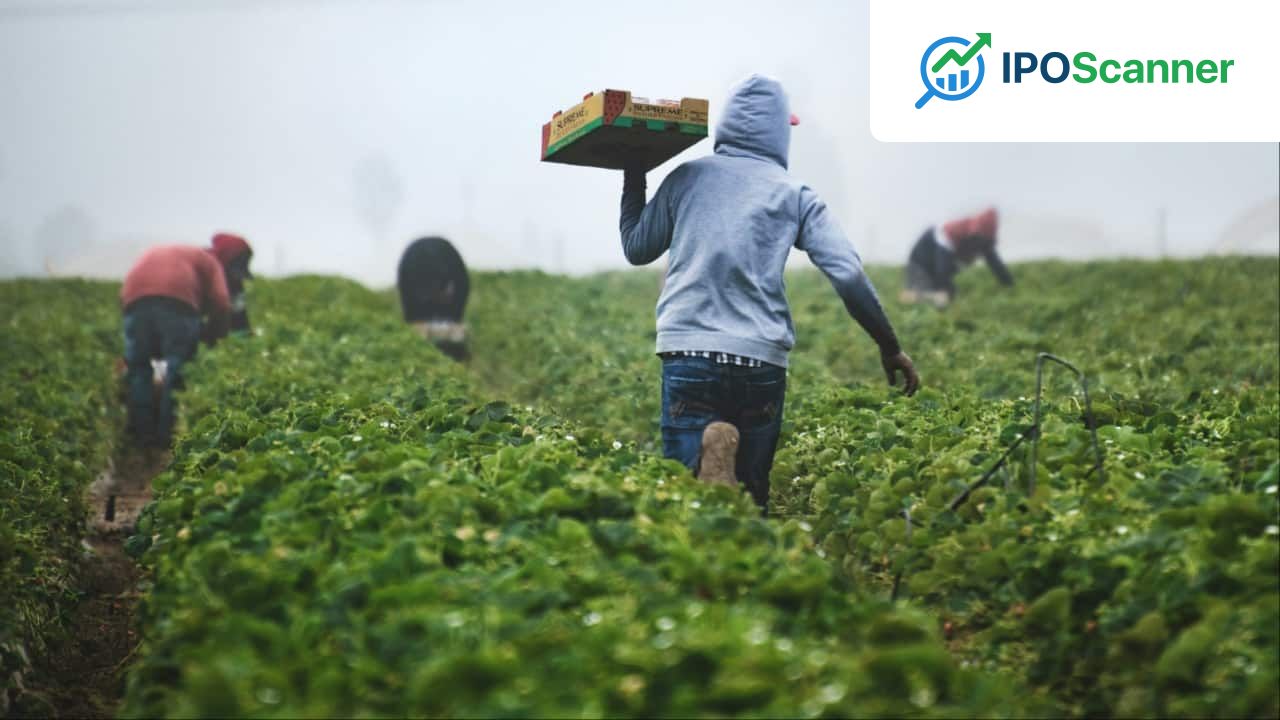
Tech Industry Veteran Trades High-Tech Life for Farming, Finds Fulfillment but Experiences Financial Challenges.
The Unromantic Truth About Farming: A Former Tech Engineer's Story
Quitting a stable tech job to take up farming is often romanticized as a move towards freedom, peace, and a closer connection with nature. However, for one former software engineer, the reality has proved far more complex – demanding, uncertain, and financially fragile, yet rewarding in its own way.
After spending 14 years working as a software engineer, lastodyssey switched to full-time farming a decade ago. Despite the challenges, he says the decision has brought satisfaction, but at a cost many who dream of a similar path tend to underestimate.
Farming offers no shortcuts to profitability. Thin margins and high risks are a harsh reality, with labour costs often evaporating profits. Lastodyssey notes that smaller farms carry lower risk but limited upside, while larger landholdings increase both returns and exposure to loss. Crop selection adds another layer of risk, with short-term crops like millets and maize, medium-term options like banana, and long-term fruit plantations each carrying distinct financial and climatic uncertainties.
Read also: Kumar Mangalam Birla to Address Concluding Function of RSS Training Camp
| Crop Type | Risk Level | Returns |
|---|---|---|
| Short-term (millets, maize) | High | Limited |
| Medium-term (banana) | Medium | Moderate |
| Long-term (fruit plantations) | Low | High |
Even when farmers do everything right, external factors can undo months of effort. Lastodyssey points to how banana growers have suffered losses due to export disruptions triggered by geopolitical developments such as the Middle East conflict. "Unknown variables are too many," he noted.
Farming operates on delayed outcomes, with short-term crop cycles lasting four to six months. During this time, capital is continuously invested while income arrives only at the end – if at all. "Input now, output later," he summed up, adding that farmers often wait months to learn whether their choices around seeds, fertilizers, or timing were correct.
The dependence on intermediaries is another challenge, with pricing power rarely resting with farmers. Lastodyssey warns against impulsive land purchases, noting that farming land appreciates slowly unless development intervenes and cannot be sold quickly during distress. His advice to beginners is to lease land first, preserve capital, keep farm finances separate, and maintain a secondary income.
Read also: The Cost of Healthcare: Why Predictability in Medical Inflation is Crucial for Health Insurance
Beyond economics, the shift demanded major lifestyle changes. Living in a tier-2 or tier-3 city, reduced purchasing power, and fewer amenities became part of daily life. "Purchasing power is gone," he admitted, adding that he now avoids unnecessary spending and focuses on repairing rather than replacing items.
Despite the challenges, lastodyssey does not regret the move. Moments like walking through fields during the monsoon, eating lunch after physical labour, and watching crops grow offer fulfilment that desk jobs never did. He rated his life satisfaction at seven out of ten, saying financial stability remains the missing piece. While stories of engineers making crores in farming grab headlines, he warned such cases are rare and often misleading.
"Do it if you have money, time, and clear goals," he concluded – stripping away fantasy to leave a grounded reality.
More in General
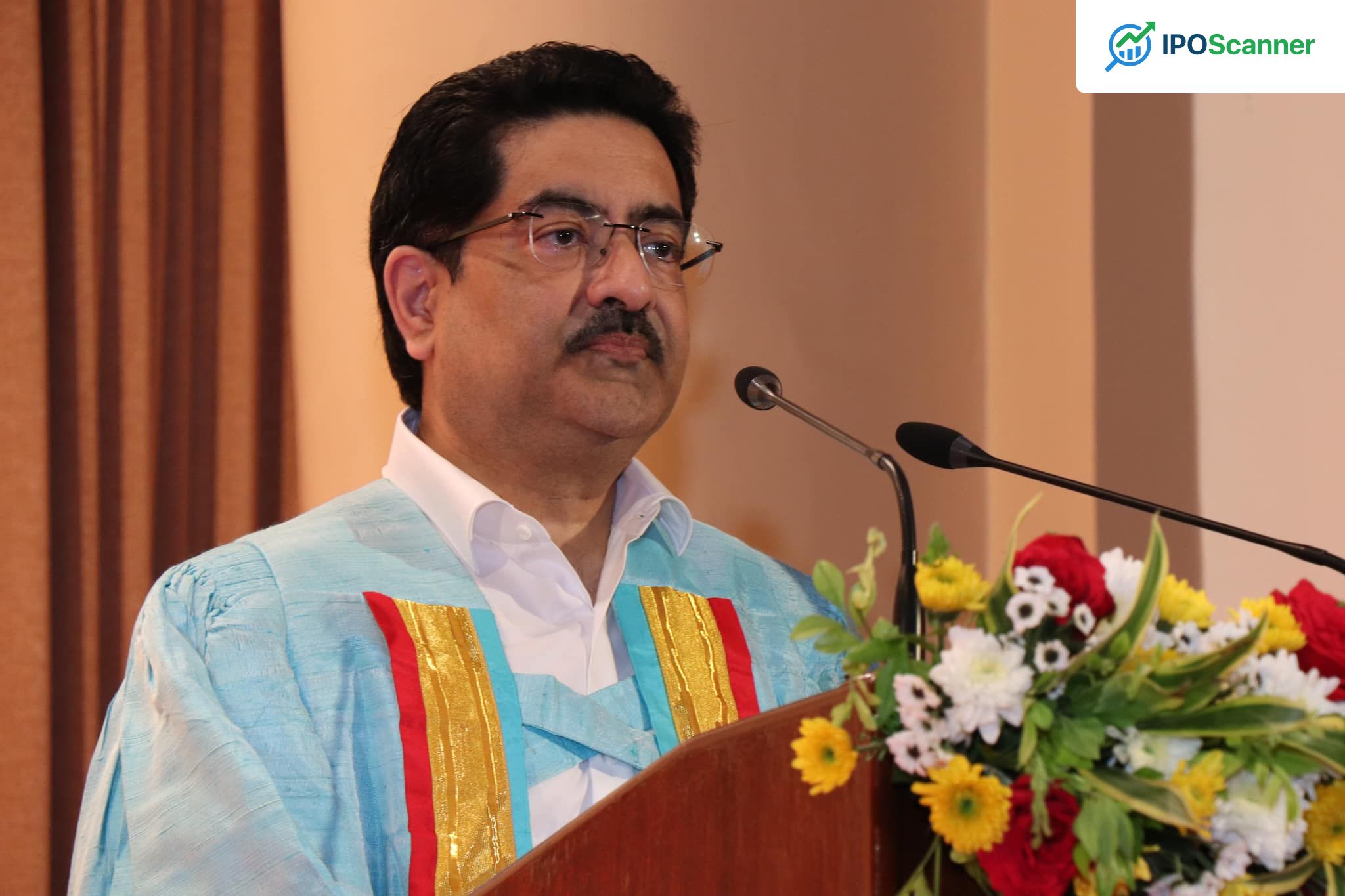
Kumar Mangalam Birla to Address Concluding Function of RSS Training Camp

The Cost of Healthcare: Why Predictability in Medical Inflation is Crucial for Health Insurance

Former Google Executive Warns AI Risks Stem from Human Misuse, Not Technological Limitations