Tankers and Ships Consolidate Position Further from Hormuz Strait as Iran Tightens Control
Tensions Escalate as Vessels Cluster Near Dubai Amid Strait of Hormuz Standoff
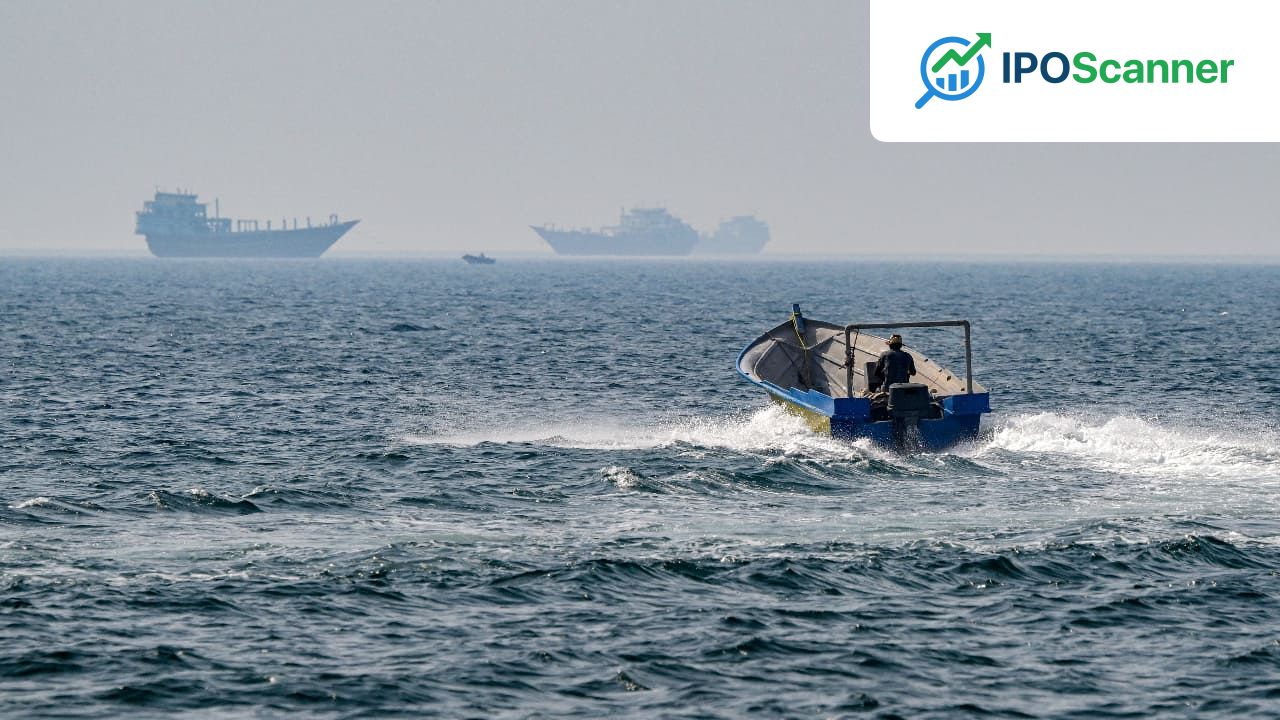
Hundreds of vessels have been spotted gathering near Dubai, a city just outside the newly defined control area by Iran in the Strait of Hormuz, as tensions between the US and Iran continue to rise. The cluster of ships is a response to Iran's efforts to expand its control over the strategic waterway, which has been largely empty since the start of the war.
According to data from Bloomberg News, nearly 60 vessels have sailed into an area off Dubai monitored by the news organization since Monday, bringing the total number of ships in the area to at least 363. This is a significant increase from the average of 294 ships seen in the area over the past seven days. The vessels are clustered in an area just outside the new control zone defined by Tehran, which extends south from the strait to Umm al-Quwain along the United Arab Emirates coast and inside the gulf.
The monitoring of vessels in the Persian Gulf has been complicated by the number of ships switching off their transponders, or "going dark," and by increased electronic interference. As a result, the exact shape of the cluster around Dubai may not accurately reflect the reality on the water. However, the trend in maritime movement is clear: more ships are moving away from the Strait of Hormuz and into the area monitored by Bloomberg News.
Read also: Treasury Yields Experience Largest Increase in Two Weeks Following Release of Labor Market Data
The grouping of ships has increased over the past day, with crew members reporting radio broadcasts warning vessels of new boundaries defended by the Islamic Revolutionary Guard Corps. The attacks on the United Arab Emirates port of Fujairah in the Gulf of Oman have underscored the expanded Iranian command zone and kept the strait largely devoid of traffic through Tuesday morning.
| Entity | Average Daily Passages (Before War) | Daily Passages (During War) |
|---|---|---|
| Strait of Hormuz | 135 | 0 |
| Global Freight Market | Decades-old benchmarks | Irrelevant |
The Strait of Hormuz, a vital energy thoroughfare, has become a flashpoint in the nine-week war. Traffic has dwindled since the start of US and Israeli strikes on Iran, but it oscillates each time one side has tried to adjust levels of control. The number of daily Hormuz passages is currently at near zero, compared with around 135 each day before the war.
The extended lockdown of Hormuz has already upended global freight markets, with decades-old benchmarks turning irrelevant overnight. If the US succeeds in guiding more ships out of the strait, the prospect of an exit for the hundreds of oil and chemical carriers trapped in the gulf could alleviate pressure on the market.
Read also: US-Iran Tensions Spark Uptick in Oil Prices Amid Global Market Decline
However, events so far this week have only encouraged caution from the shipping industry. The UAE's state oil company, Abu Dhabi National Oil Co., confirmed on Monday that its supertanker, Barakah, was hit by drones while in Hormuz, and South Korea said that one of its ships was targeted for the first time during the war.
Investor Takeaway
Global oil prices may be affected by the escalating tensions in the region.
More in Economy

Treasury Yields Experience Largest Increase in Two Weeks Following Release of Labor Market Data

US-Iran Tensions Spark Uptick in Oil Prices Amid Global Market Decline

MoSPI Releases Uniform Norms for DDP Estimates with 2022-23 Base Year

