Tamil Nadu Elections 2026: Key Manifesto Promises on Jobs and Startups from DMK, AIADMK, and TVK
Tamil Nadu Assembly Election 2026: Parties' Economic Visions
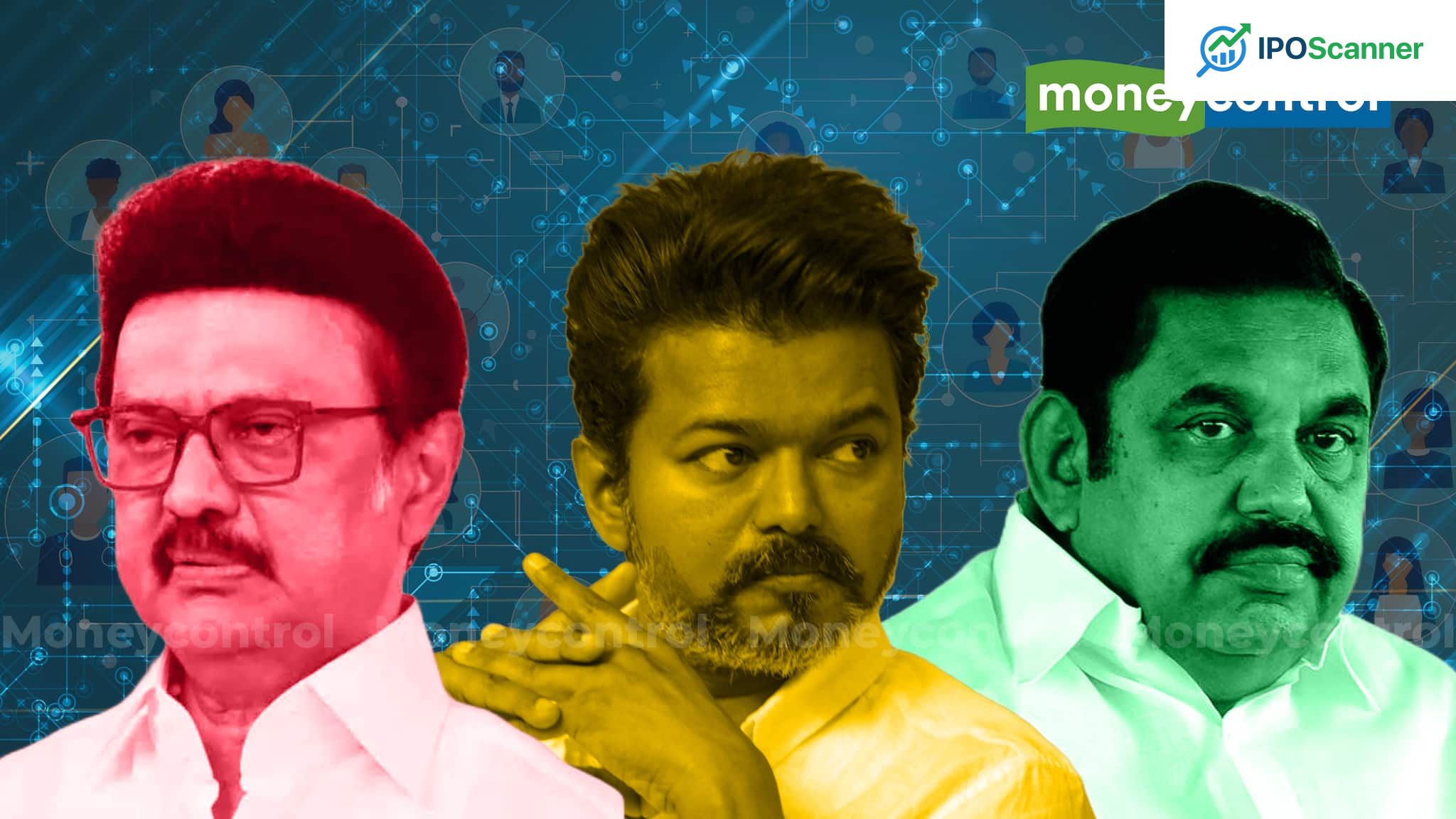
Tamil Nadu is heading into a tightly contested assembly election on April 23, 2026, with the ruling Dravida Munnetra Kazhagam (DMK), the opposition All India Anna Dravida Munnetra Kazhagam (AIADMK), and actor Vijay's Tamilaga Vettri Kazhagam (TVK) shaping what is no longer a straightforward bipolar contest. The state, with 234 assembly seats, has traditionally alternated between the DMK and AIADMK, but the entry of TVK has added uncertainty, especially among younger voters.
Party Manifestos: A Comparison of Economic Approaches
| Party | Employment Creation Targets | Key Initiatives |
|---|---|---|
| DMK | 50 lakh new jobs over 5 years | Deeptech startups, innovation labs, Tamil Large Language Models, quantum technology |
| AIADMK | 1 lakh micro and small enterprises over 5 years | Collateral-free loans, decentralized industry, job reservation in the private sector |
| TVK | 5 lakh youth internship training | Interest-free loans, monthly assistance, stipend-based internships, MSME subsidies |
Read also: Kumar Mangalam Birla to Address Concluding Function of RSS Training Camp
The DMK, led by Chief Minister MK Stalin, is seeking a second consecutive term and remains aligned with the Congress and Left parties. The AIADMK, which lost power in 2021, is attempting a comeback and is expected to lean on its ties with the BJP, even as alliances remain fluid. TVK, contesting its first full-fledged election, is positioning itself as an alternative, particularly on jobs and youth welfare.
DMK's Vision: Ambitious and Future-Facing
The DMK's manifesto leans heavily into positioning Tamil Nadu as a hub for deeptech and emerging technologies. The promise to create 100 deeptech startups by 2030, backed by innovation labs and stronger IP infrastructure, signals ambition. However, building Large Language Models requires sustained access to high-quality datasets, compute infrastructure, and long-term funding, which the document does not spell out. The push into quantum technology through simulators appears forward-looking, but state-level interventions without strong industry partnerships may struggle to translate into jobs.
On employment, the DMK links job creation to industrial parks and food processing centres, but the manifesto does not quantify employment impact or timelines. Schemes like 'Nan Mudhalvan 2.0' with Rs 1,500 monthly stipend are extended this term, and incentives for private firms to hire candidates from disadvantaged communities are positive. Skill development builds on existing programmes like Naan Mudhalvan, with added focus on drones and emerging tech.
Read also: The Cost of Healthcare: Why Predictability in Medical Inflation is Crucial for Health Insurance
AIADMK's Approach: Scale Over Innovation
The AIADMK's manifesto takes a more grounded approach, focusing on mass job creation through MSMEs and decentralised industry. The promise to create one lakh micro and small enterprises over five years is significant, and the emphasis on district-level industrialisation reflects lessons from past growth patterns. However, the proposal to offer collateral-free loans of up to Rs 25 lakh to youth could encourage entrepreneurship, but the 75 percent job reservation in the private sector for Tamil Nadu residents may deter investment.
To ensure Tamil Nadu students excel in the growing fields of computer science and artificial intelligence, AIADMK has said that the curriculum will be restructured to teach computer science as a sixth subject along with the existing five subjects for classes 6 to 10.
TVK's Focus: Access and Youth Development
TVK's manifesto is sharply focused on direct support and grassroots entrepreneurship, which sets it apart from the other two. Its proposals, interest-free loans for women, monthly assistance for unemployed youth, and stipend-based internships, are clearly designed to address immediate economic stress. Providing Rs 4,000 per month to graduates and Rs 2,500 to diploma holders, along with large-scale subsidies for MSMEs, will require significant financial resources. The push to convert self-help groups into MSMEs, backed by annual financial support, could improve incomes in the short term.
This election is shaping up as a contest between three economic approaches. For Tamil Nadu, the outcome will not just decide who governs, but will determine how the state balances ambition with execution, and welfare with growth.
More in General
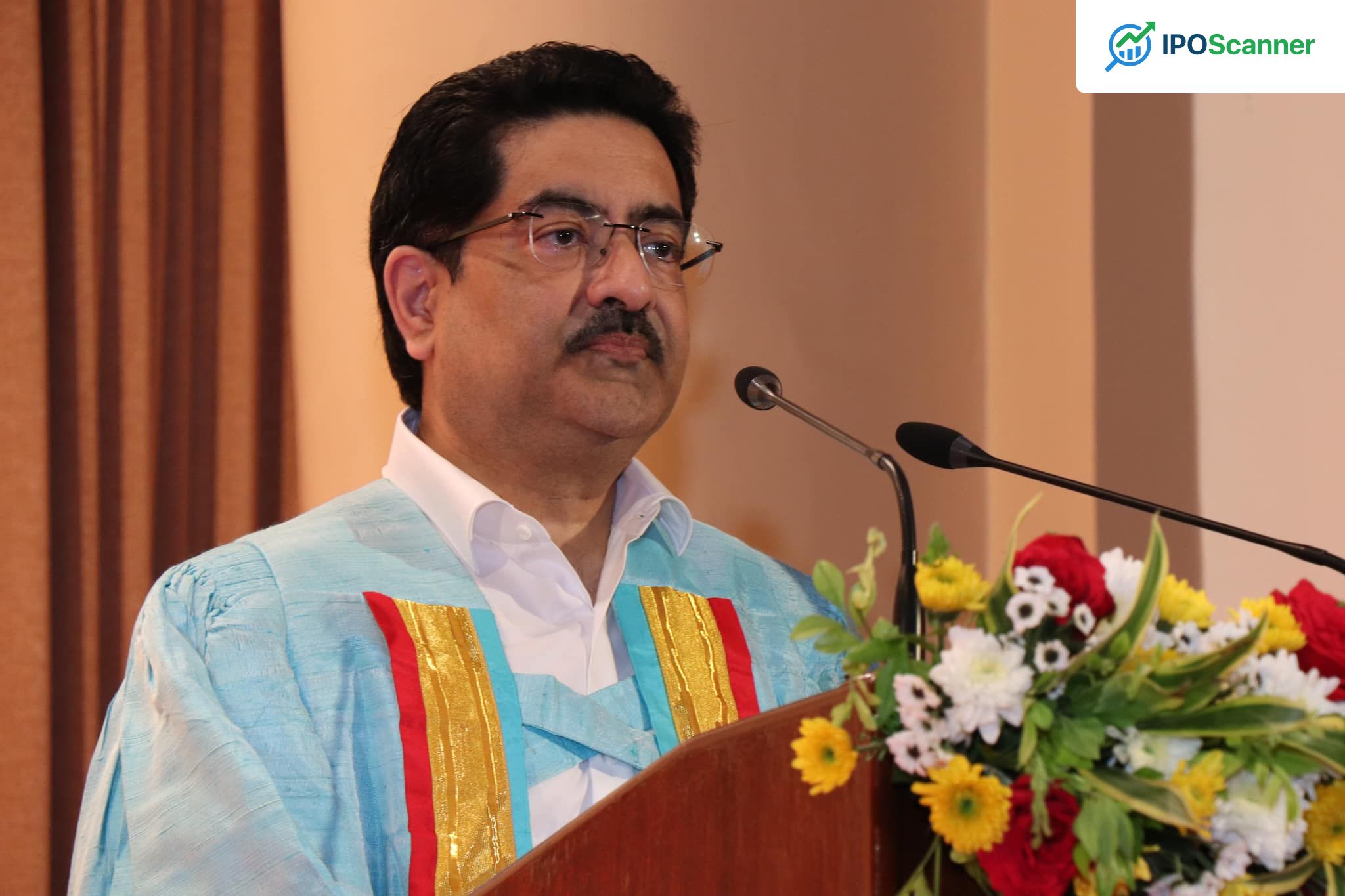
Kumar Mangalam Birla to Address Concluding Function of RSS Training Camp

The Cost of Healthcare: Why Predictability in Medical Inflation is Crucial for Health Insurance

Former Google Executive Warns AI Risks Stem from Human Misuse, Not Technological Limitations