Swedish Court Orders Detention of Russian Tanker Captain in Maritime Dispute
Baltic Sea Incident: Russian Tanker's Captain Detained
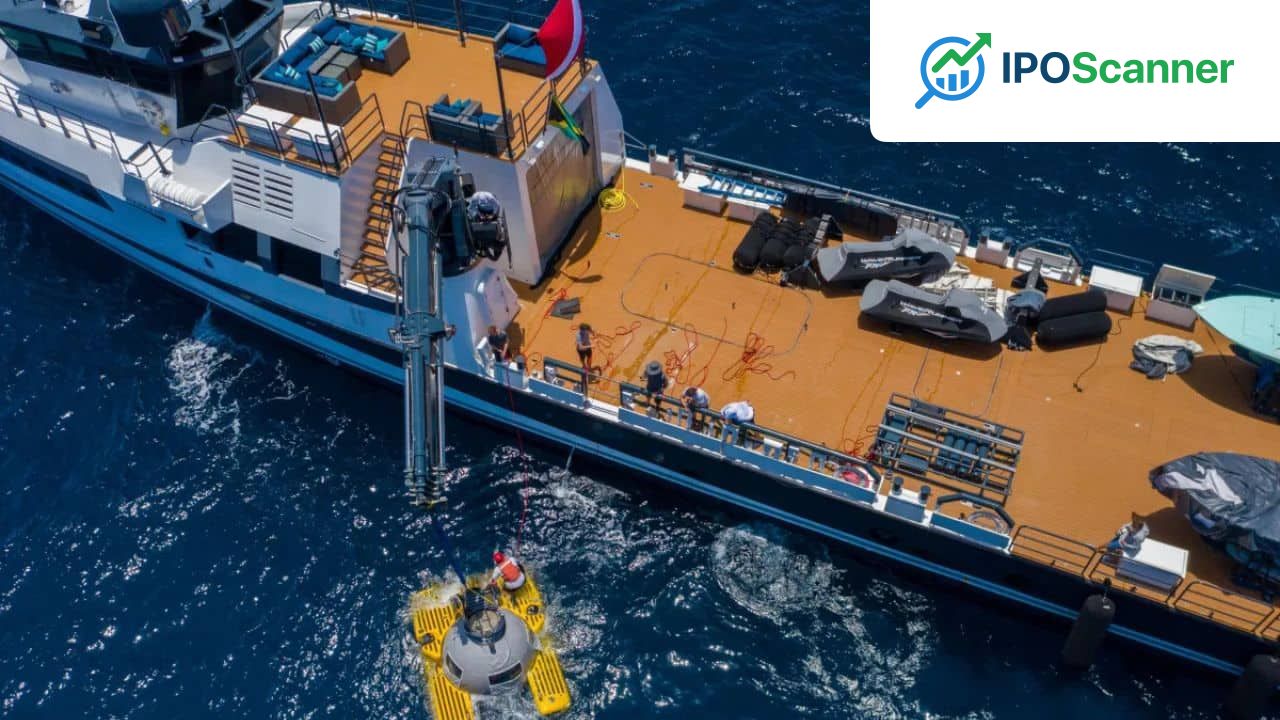
A Swedish court has ordered the detention of the Russian captain of the Sea Owl 1, a tanker suspected of sailing under a false flag in the Baltic Sea. The Sea Owl 1, which was traveling from Brazil to Russia, was boarded by Swedish authorities on Thursday, March 9, off Trelleborg, on Sweden's southern coast.
Prosecutors suspect the captain of using a false document, and the district court in Ystad ordered his detention in line with their request. The tanker was sailing under the flag of the Comoros, an island nation off East Africa, but the Swedish coast guard suspects it is not registered in the shipping registry and therefore lacks a flag state to vouch for its safety.
This incident is the second in a week where a vessel sailing in Swedish territorial waters has been investigated for using a false flag. The Caffa, a cargo ship with a majority Russian crew, is accused of transporting stolen grain while on Ukraine's sanctions list. Its captain has also been detained on suspicion of using a false document.
Read also: Kumar Mangalam Birla to Address Concluding Function of RSS Training Camp
Key Figures:
- Sea Owl 1: Russian tanker suspected of sailing under a false flag
- Caffa: Cargo ship accused of transporting stolen grain
- Comoros: Island nation off East Africa, where the tanker was sailing under flag
- Ystad: District court where the captain's detention was ordered
Timeline:
- Thursday, March 9: Swedish coast guard boards the Sea Owl 1 off Trelleborg
- Friday, March 10: Captain of the Sea Owl 1 is arrested
- Sunday, [date]: District court in Ystad orders detention of the captain
Read also: The Cost of Healthcare: Why Predictability in Medical Inflation is Crucial for Health Insurance
More in General
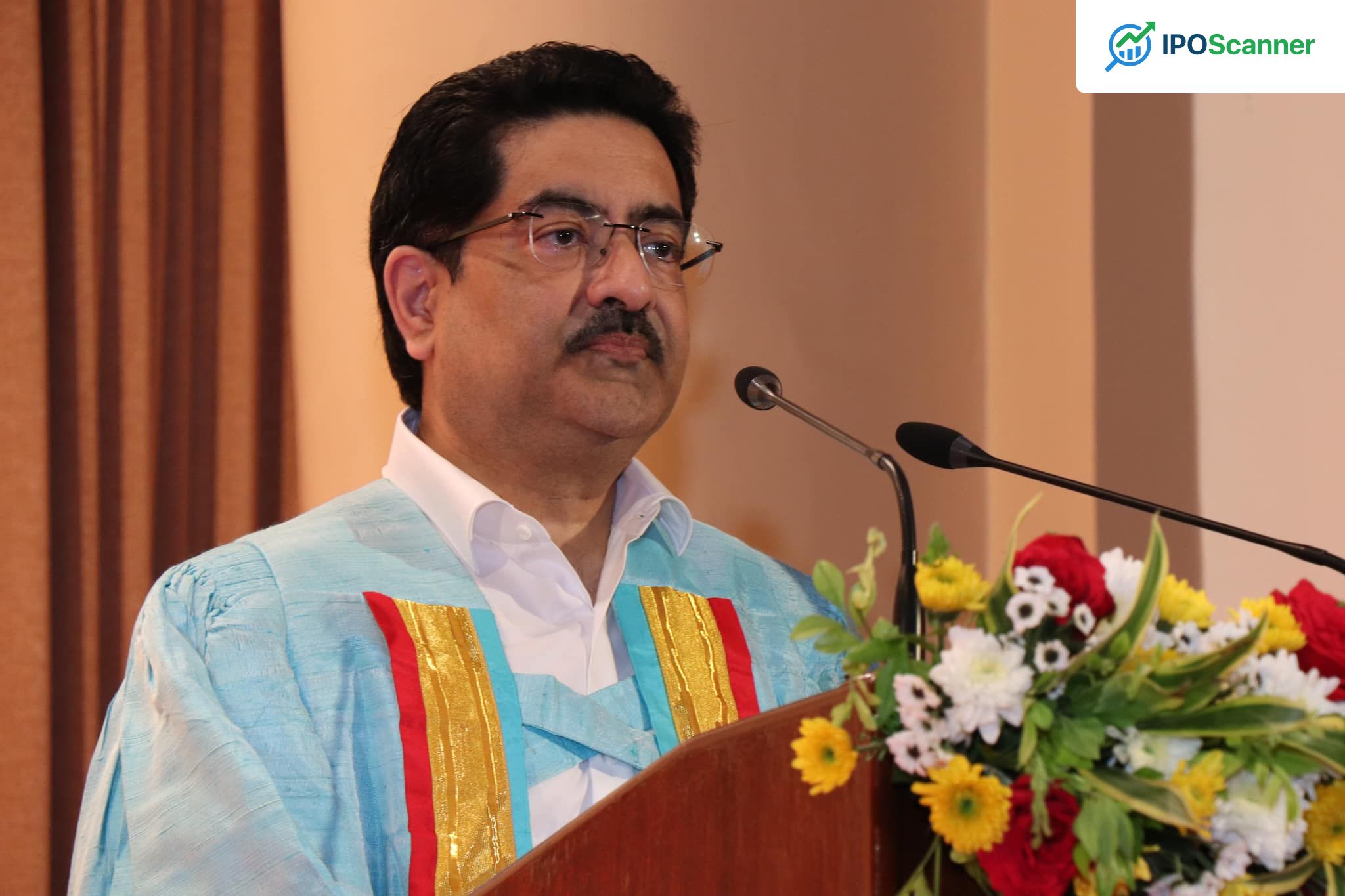
Kumar Mangalam Birla to Address Concluding Function of RSS Training Camp

The Cost of Healthcare: Why Predictability in Medical Inflation is Crucial for Health Insurance

Former Google Executive Warns AI Risks Stem from Human Misuse, Not Technological Limitations